
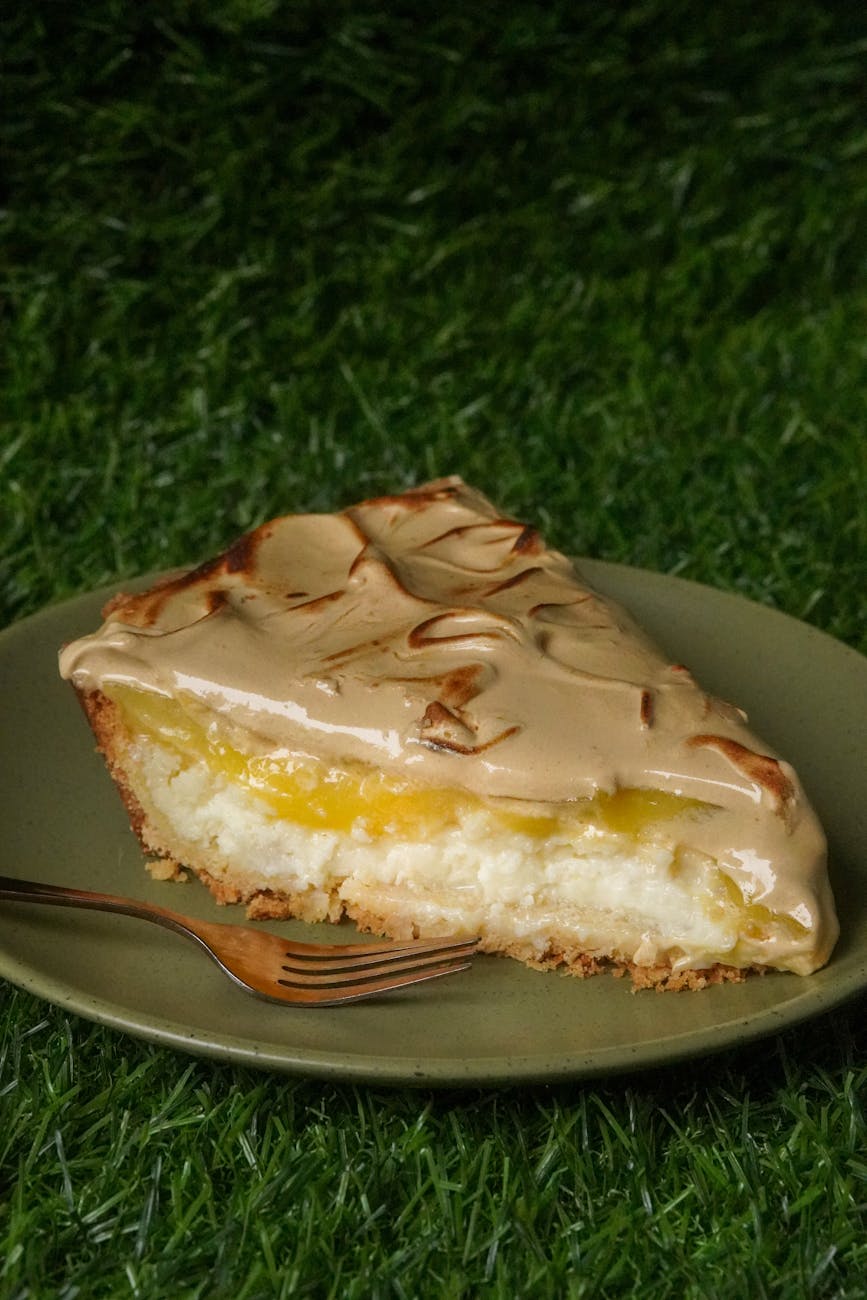
For many Baby Boomers, dessert pies were more than just sweets after dinner. They were staples at family gatherings, church potlucks, holiday tables, and neighborhood diners across America.
Many of these pies were especially popular from the 1950s through the 1970s, when home baking was a central part of family culture. While some are still around today, others have largely disappeared from restaurant menus and grocery store bakeries.
These nostalgic desserts continue to remind Boomers of simpler times, handwritten recipe cards, and weekend meals shared with family.
Butterscotch Pie
Butterscotch pie was once a diner classic that appeared in countless family cookbooks and bakery cases.
The pie featured a rich butterscotch custard filling topped with fluffy meringue or whipped cream inside a flaky crust. Its sweet caramel-like flavor made it especially popular among older generations.
Unlike chocolate or fruit pies that remain common today, butterscotch pie has become much harder to find outside of traditional diners and homemade recipes.
For many Boomers, it recalls Sunday dinners and old-fashioned dessert counters.
Mock Apple Pie
Mock apple pie became famous during periods when fresh apples were expensive or unavailable in some households.
Instead of apples, the pie used crackers combined with sugar, cinnamon, and lemon juice to imitate the flavor and texture of apple pie surprisingly well.
Many families discovered the recipe through old cookbook pamphlets and community recipe exchanges.
The pie became a symbol of creative home cooking during an era when families often stretched ingredients to feed large households economically.
Grasshopper Pie
Grasshopper pie stood out for its bright green color and cool mint flavor. Inspired by the classic grasshopper cocktail, the pie became especially popular during the 1960s and 1970s.
Typically made with crème de menthe flavoring, whipped filling, and chocolate cookie crust, it was often served chilled at parties and holiday gatherings.
Its vibrant appearance made it memorable on dessert tables filled with more traditional pies.
Today, it remains strongly associated with retro entertaining culture and vintage recipe collections.
Shoofly pie
Shoofly pie originated in Pennsylvania Dutch communities and became familiar to many Baby Boomers growing up in the Northeast.
Made primarily from molasses and crumb topping, the pie had a deep sweetness and dense texture unlike fruit-based desserts.
Many older diners still remember seeing shoofly pie displayed in roadside diners and family-owned bakeries.
Its old-fashioned flavor profile makes it less common among younger generations, but it continues holding nostalgic value for Boomers.
Lemon Chiffon Pie
Lemon chiffon pie became popular during the mid-20th century thanks to its airy texture and bright citrus flavor.
Unlike heavier custard pies, chiffon pies used whipped egg whites and gelatin to create a lighter consistency.
The pie was often viewed as elegant and refreshing, especially during spring and summer gatherings.
Several characteristics made vintage chiffon pies especially memorable:
- Light, fluffy texture
- Bright citrus flavor
- Graham cracker crusts
- Cool refrigerator preparation
- Popularity at family celebrations
These pies represented the growing popularity of chilled desserts during the 1960s and 1970s.
Chocolate Chess Pie
Chocolate chess pie was a Southern dessert favorite that many Baby Boomers remember from holidays and church suppers.
The pie combined cocoa, butter, sugar, and eggs into a rich, dense filling with a slightly crisp top layer.
Unlike cream pies requiring refrigeration, chess pies were relatively simple to prepare and transport.
Its intensely sweet flavor made small slices especially satisfying, helping it become a beloved dessert throughout many Southern households.
Although less mainstream today, chocolate chess pie remains a nostalgic comfort dessert for many older Americans.
Why These Pies Still Matter To Baby Boomers
Vintage dessert pies carry emotional significance because they are tied to family traditions, regional culture, and home baking memories.
Many Boomers grew up during a time when homemade desserts were a regular part of meals rather than occasional treats.
These pies also reflect changing food trends throughout the decades. Refrigerated desserts, convenience ingredients, and creative recipe experimentation all influenced what appeared on family tables.
While some recipes have faded from mainstream popularity, nostalgia continues keeping them alive through cookbooks, family gatherings, and retro-themed diners.
For many people, one bite of these classic pies instantly reconnects them to childhood memories and family traditions that still feel meaningful decades later.
SEO Blurb:

Leave a Reply