
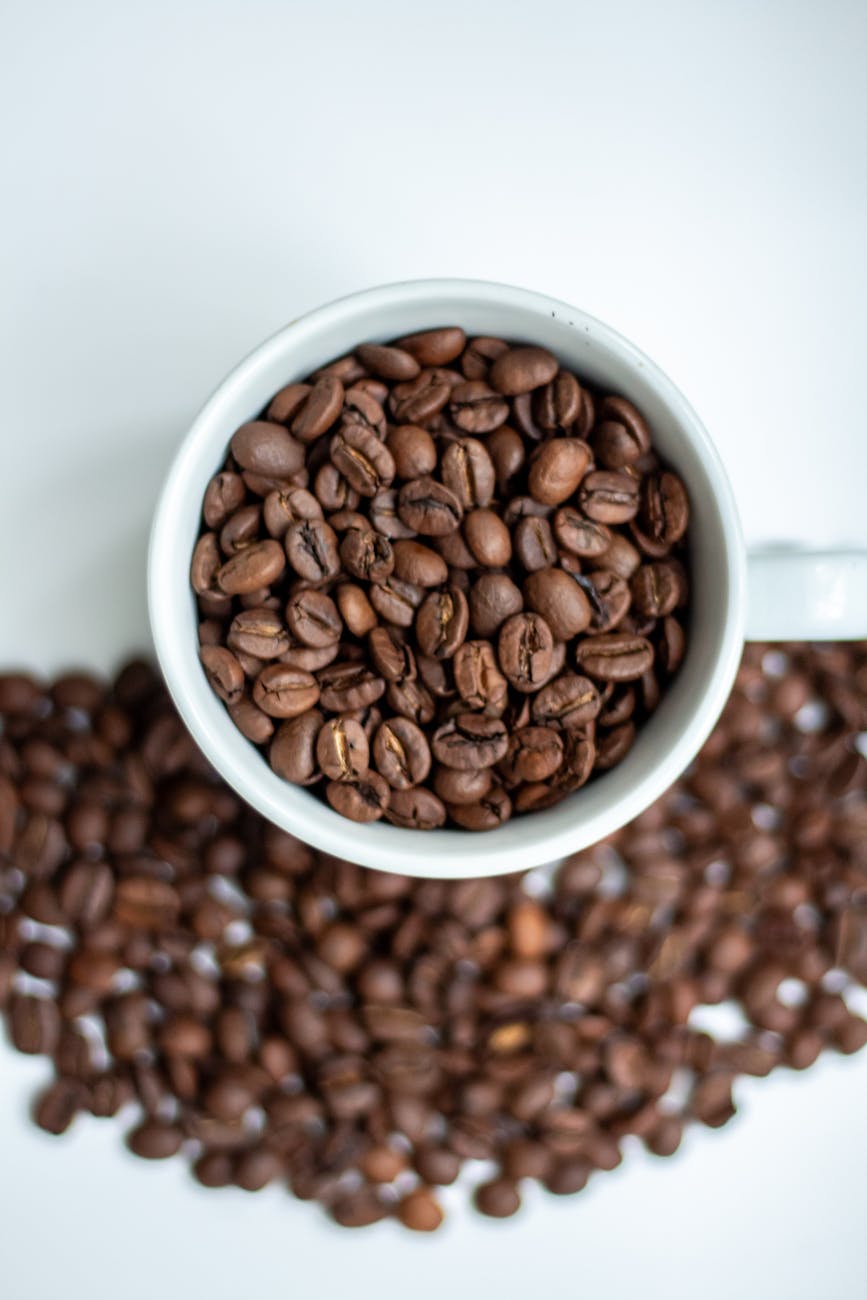
The quality of coffee beans has a major impact on flavor, aroma, smoothness, and freshness. High-quality beans are typically sourced carefully, roasted with precision, and brewed quickly after grinding.
Lower-quality beans, on the other hand, may contain inconsistencies, over-roasted flavors, bitterness, or stale characteristics hidden beneath syrups and sugary drinks.
It is important to note that taste is subjective, and many people still enjoy these coffee chains for convenience, affordability, or customization. However, coffee enthusiasts frequently criticize certain brands for relying on lower-grade beans or overly aggressive roasting methods.
Starbucks
Starbucks is one of the most recognizable coffee chains in the world, but it is also one of the most criticized among serious coffee purists.
Many coffee experts argue that Starbucks intentionally over-roasts its beans to create a bold, highly consistent flavor profile across thousands of locations.
This darker roast style can mask subtle flavor notes that are more noticeable in specialty coffee shops using lighter or medium roasts.
While millions of customers enjoy Starbucks daily, critics often describe the coffee itself as overly bitter or burnt-tasting compared to smaller artisan cafés.
Dunkin’
Dunkin’ has built its reputation around fast, affordable coffee rather than premium bean sourcing.
Its coffee tends to focus on mild, approachable flavor rather than complexity or freshness. Because of the company’s massive scale, consistency and speed often take priority over small-batch roasting quality.
Many coffee drinkers appreciate Dunkin’ for reliability and value, but specialty coffee fans frequently view the beans as average at best.
The chain’s heavy focus on flavored beverages can also overshadow the actual coffee profile itself.
Tim Hortons
Tim Hortons remains deeply popular in Canada, but some longtime customers believe the coffee quality declined after changes in sourcing and roasting over the years.
Critics often point to weaker flavor and inconsistency between locations as major complaints.
Although the chain still sells enormous amounts of coffee daily, many coffee enthusiasts feel it prioritizes convenience and price over premium bean quality.
Its popularity is often driven more by nostalgia, accessibility, and routine than by exceptional coffee craftsmanship.
McCafé
McCafé surprised many consumers by offering affordable espresso drinks and brewed coffee through McDonald’s locations.
While the pricing is attractive, the beans are generally viewed as commercial-grade rather than specialty-quality.
Because McDonald’s focuses heavily on speed and efficiency, coffee preparation can vary significantly depending on location and staff training.
Several factors commonly affect perceived coffee bean quality at major chains:
- Dark over-roasting
- Long storage times
- Mass-production sourcing
- Inconsistent brewing methods
- Heavy reliance on flavored syrups
These issues are frequently discussed by coffee enthusiasts comparing chain coffee to independent cafés.
Peet’s Coffee
Peet’s Coffee is respected by many customers, but some coffee drinkers still criticize its preference for darker roast profiles.
Like Starbucks, Peet’s often emphasizes boldness and richness over delicate tasting notes found in lighter specialty coffees.
Dark roasting can create smoky or bitter characteristics that some consumers enjoy while others feel overpower the bean’s natural complexity.
Despite these criticisms, Peet’s still maintains a stronger reputation among coffee enthusiasts than many fast-food coffee brands.
The chain’s bean quality is generally considered better than budget competitors, though opinions vary widely based on roast preference.
Why Independent Coffee Shops Often Stand Out
Independent coffee shops often place greater emphasis on sourcing transparency, freshness, and small-batch roasting.
Many local cafés work directly with specialty roasters or importers to highlight unique flavor notes from specific growing regions.
Smaller operations also tend to rotate beans more frequently, reducing the risk of stale coffee sitting in storage too long.
That does not mean every independent café automatically serves better coffee, but the focus on craftsmanship is usually stronger than in mass-market chains.
At the same time, major coffee chains succeed because they prioritize convenience, consistency, and accessibility for millions of customers every day.
Ultimately, the “best” coffee often comes down to personal taste preferences. Some people enjoy bold dark roasts, while others prefer lighter, fruitier, or smoother flavor profiles.




Leave a Reply