
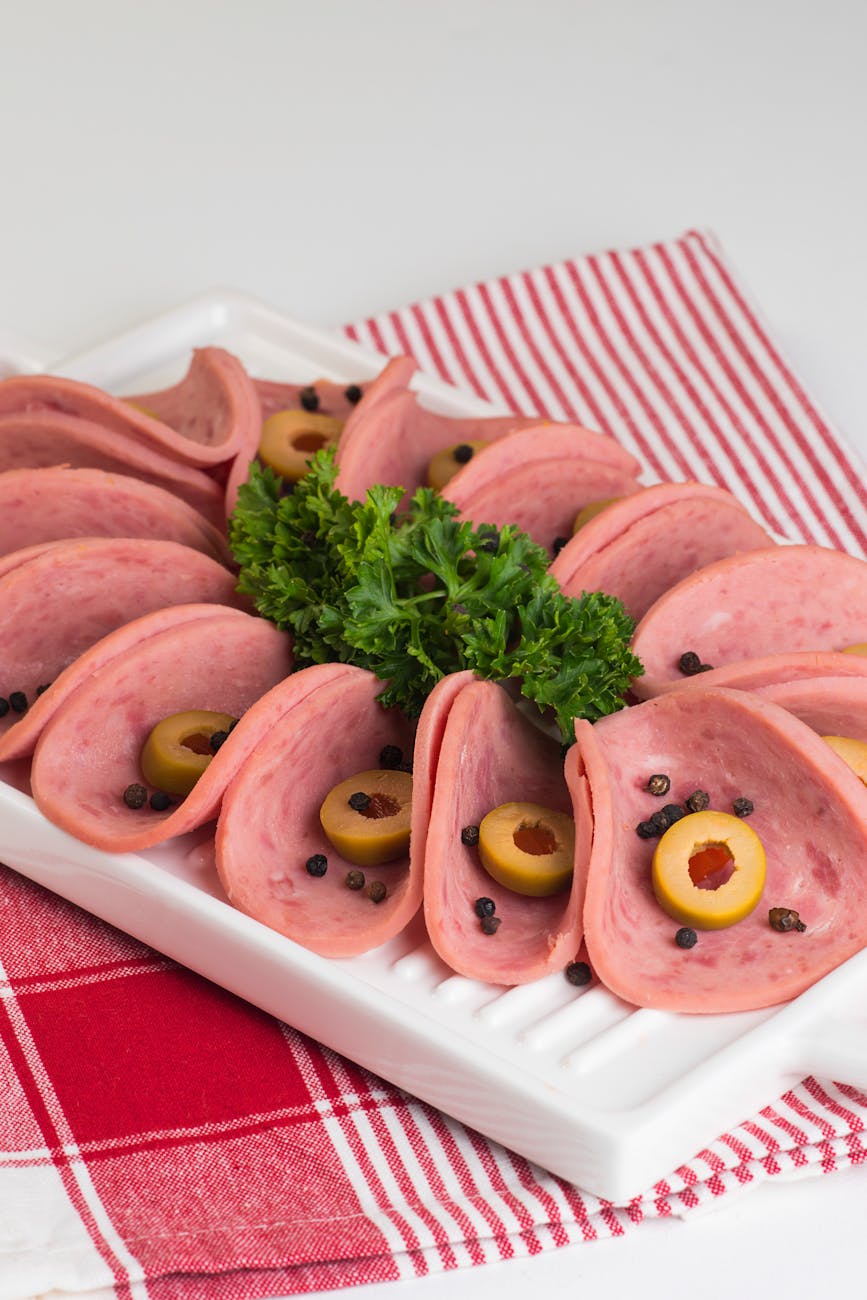
For Baby Boomers, the neighborhood deli was once a central part of everyday life. Glass cases were filled with specialty meats that today’s shoppers rarely see, and deli counters often carried regional favorites that have slowly disappeared over the decades.
Changing tastes, health trends, large-scale food production, and declining demand have caused many old-school deli meats to fade away. While a few survive in specialty shops, most are now difficult to find outside select ethnic markets or traditional butcher stores. Here are five Baby Boomer-era deli meats that have become increasingly rare today.
OLIVE LOAF
Olive loaf was once a staple at deli counters across America. This luncheon meat combined pork or beef with pimento-stuffed green olives suspended throughout the loaf, creating a salty and tangy flavor that stood out from ordinary cold cuts.
During the 1950s through the 1970s, olive loaf sandwiches were common in school lunches and family picnics. Many Boomers remember seeing thick slices wrapped in butcher paper at local grocery stores.
Over time, younger generations gravitated toward turkey, ham, and premium deli meats instead. The unusual appearance of olives embedded in processed meat also made the product less appealing to modern shoppers.
Today, olive loaf is mostly limited to:
- Small-town delis
- Regional grocery chains
- Traditional butcher shops
Even where it still exists, it is often produced in much smaller quantities than it once was.
PICKLE AND PIMENTO LOAF
Pickle and pimento loaf was another colorful deli favorite that thrived during the mid-20th century. Similar to olive loaf, this processed meat contained chunks of pickles and bright red pimentos scattered throughout each slice.
The combination created a sweet, tangy, and savory flavor profile that many older Americans still remember fondly. It was especially popular in inexpensive sandwiches served at diners, lunch counters, and family gatherings.
As deli culture evolved, processed loaf meats began losing popularity. Consumers increasingly preferred cleaner ingredient labels and less heavily processed options.
Many large grocery chains quietly removed pickle and pimento loaf from their deli cases decades ago. Today, it survives mainly as a nostalgic specialty item in select regions of the country.
BRAUNSCHWEIGER
Braunschweiger, a soft liver sausage traditionally made from pork liver, was once a refrigerator staple in many American homes. Spread onto crackers or rye bread with mustard and onions, it offered a rich and distinctive flavor that older generations embraced.
German-American communities especially helped popularize braunschweiger throughout the Midwest during the Baby Boomer era. Major grocery stores once carried multiple brands near the deli section.
However, liver-based products have become far less common in recent decades. Changing nutritional opinions and shifting tastes caused many younger consumers to avoid organ meats altogether.
While braunschweiger can still occasionally be found, it is now much rarer than it was in the 1960s and 1970s. Specialty European markets are often the best places to locate it today.
DUTCH LOAF
Dutch loaf was a heavily seasoned deli meat known for its bold flavor and distinctive coating of spices around the edges. Often made from pork and beef blends, it delivered a smoky and peppery taste that stood out on sandwiches.
The meat became particularly popular in Midwest grocery stores and old-fashioned delis during the postwar years. Many customers ordered it sliced thin alongside Swiss cheese and mustard on rye bread.
As supermarket deli sections modernized, regional products like Dutch loaf slowly disappeared. National brands focused more heavily on universally popular meats like turkey breast and roast beef.
A few independent delis still make Dutch loaf in-house, but finding it today often requires visiting specialty meat markets or small-town butcher shops that continue traditional recipes.
HEAD CHEESE
Despite its name, head cheese is not actually cheese at all. This old-world deli meat is made by simmering parts of a pig’s head and setting the meat into a loaf with natural gelatin.
Head cheese was once common in immigrant households and neighborhood delis throughout America. Baby Boomers growing up in ethnic communities often saw it displayed prominently alongside bologna and salami.
Its decline largely came from changing consumer preferences and discomfort with traditional nose-to-tail cooking methods. Modern shoppers generally prefer more familiar cuts and processed meats with simpler appearances.
Today, head cheese is mostly found in:
- European butcher shops
- Amish markets
- Specialty ethnic groceries
Even in those locations, it is far less common than it once was generations ago.
Conclusion
Many classic deli meats that Baby Boomers grew up eating have slowly vanished from mainstream grocery stores. Some disappeared because of changing health trends, while others simply fell out of fashion as consumer tastes evolved.
Although these meats are now difficult to find, they remain an important part of American food history and regional deli culture. For many older Americans, seeing these products again can instantly bring back memories of neighborhood delis, family lunches, and simpler times.




Leave a Reply