
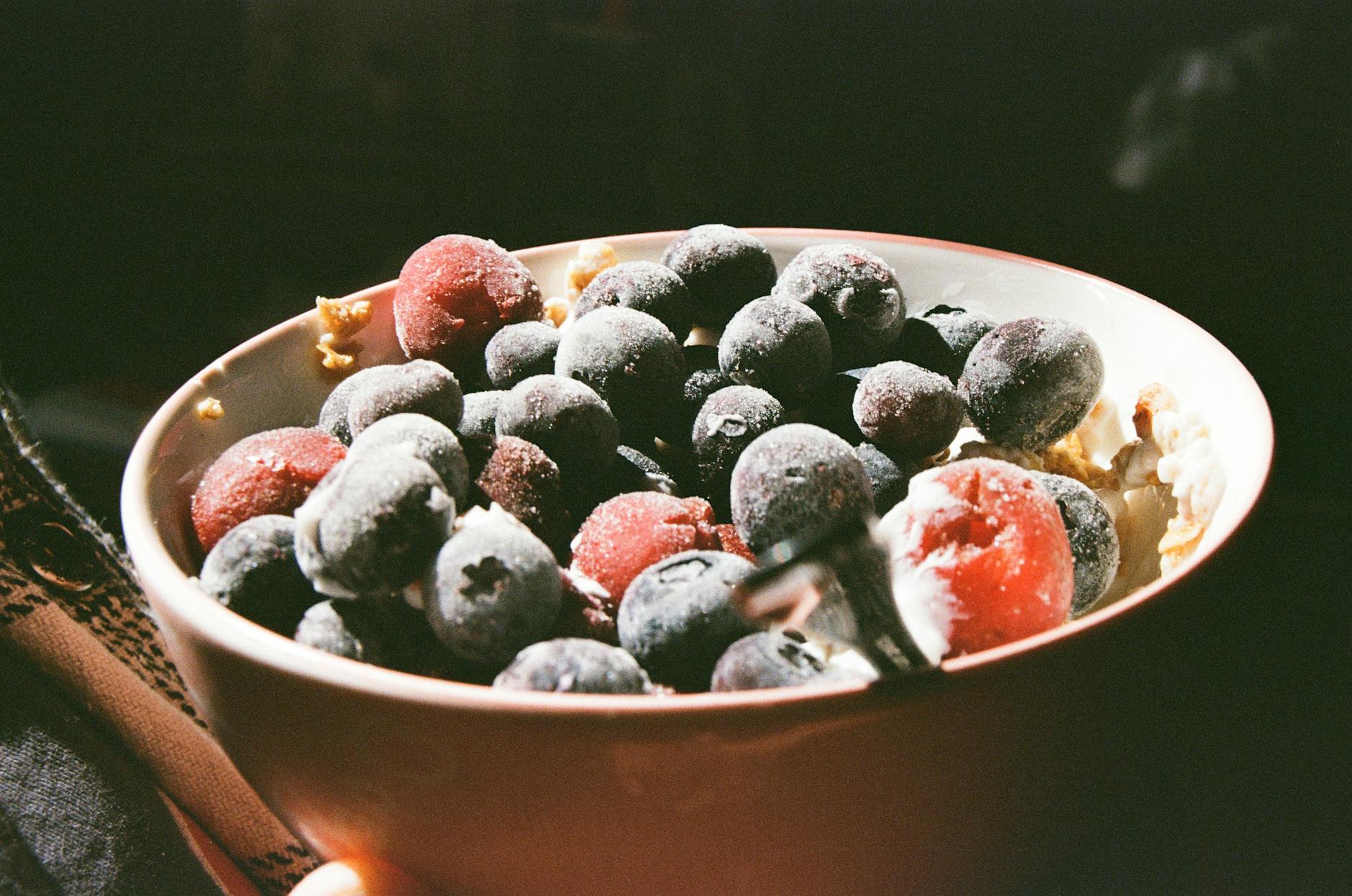
Fresh fruit is often seen as the gold standard for nutrition and flavor, but frozen fruit has quietly become a strong competitor in many kitchens. Thanks to modern flash-freezing techniques, fruit can be preserved at peak ripeness, locking in nutrients and flavor that sometimes fade during long transportation and storage.
In some cases, frozen fruit is actually more consistent, more convenient, and even better tasting than fresh alternatives—especially when the fresh versions are out of season or have traveled long distances. Here are five frozen fruits that often outperform their fresh counterparts.
FROZEN BLUEBERRIES
Frozen blueberries are one of the best examples of fruit that can surpass fresh quality. Many brands, such as Wyman’s of Maine frozen wild blueberries, freeze the berries immediately after harvest, preserving their deep flavor and high antioxidant content.
Fresh blueberries sold in grocery stores often sit in transit for days, which can lead to a loss of firmness and flavor. Frozen blueberries, on the other hand, retain a more intense taste because they are picked and frozen at peak ripeness.
They are especially popular in smoothies, baked goods, and oatmeal because they burst with flavor when thawed or heated.
FROZEN MANGO CHUNKS
Frozen mango chunks are often superior to fresh mangoes in terms of convenience and consistency. Brands like Dole and Cascadian Farm offer pre-cut mango pieces that are harvested when fully ripe, then flash-frozen to preserve sweetness.
Fresh mangoes can be unpredictable, sometimes arriving under-ripe or overly fibrous depending on the season and source. Frozen mango eliminates this guesswork.
Many home cooks use frozen mango for:
- Smoothies and smoothie bowls
- Homemade sorbet
- Tropical salsas
- Yogurt toppings
The texture becomes especially creamy when blended, making it ideal for desserts.
FROZEN STRAWBERRIES
Frozen strawberries often outperform fresh strawberries, particularly when fresh berries are out of season. Brands like Trader Joe’s frozen organic strawberries and Birdseye strawberries are picked at peak ripeness before being frozen.
Fresh strawberries can spoil quickly and often lose sweetness during transport. Frozen versions preserve their natural sugars and vibrant color.
They are commonly used in baking, where their slightly softer texture after thawing actually helps them blend better into batters for muffins, pies, and jams.
Frozen strawberries also tend to be more affordable year-round compared to fresh premium berries.
FROZEN CHERRIES
Frozen cherries, such as Oregon Fruit Products dark sweet cherries or store-brand frozen tart cherries, are often more flavorful than fresh ones that have traveled long distances.
Fresh cherries are highly perishable and expensive, especially outside of peak season. By the time they reach store shelves, they may lose some of their natural juiciness.
Frozen cherries retain their deep, rich flavor and are excellent for desserts, sauces, and cocktails. Tart cherries in particular are popular for baking pies and making compotes because their flavor remains stable after freezing.
FROZEN PINEAPPLE CHUNKS
Frozen pineapple chunks are another fruit that often beats fresh in convenience and consistency. Brands like Dole frozen pineapple and store-label tropical blends offer fruit that is cut and frozen at peak ripeness.
Fresh pineapples can be difficult to prepare, requiring peeling, coring, and cutting. They also vary widely in sweetness depending on ripeness at purchase.
Frozen pineapple removes that unpredictability. It is consistently sweet and juicy, making it ideal for smoothies, grilling, or adding to savory dishes like stir-fries.
When blended, frozen pineapple also creates a naturally creamy texture without needing added sugar or ice.
WHY FROZEN FRUIT OFTEN WINS
Frozen fruit offers several advantages that sometimes make it superior to fresh options, especially outside of harvest season. The freezing process locks in nutrients and prevents spoilage, meaning the fruit often retains more of its original quality.
Key benefits include:
- Harvested at peak ripeness
- Longer shelf life without waste
- Consistent flavor year-round
- Lower cost during off-season months
- Convenience with no prep required
In many cases, frozen fruit eliminates the unpredictability of fresh produce, especially when imported or stored for long periods.
Conclusion
While fresh fruit has its place, frozen varieties often provide better consistency, flavor, and convenience. From berries to tropical fruits, modern freezing techniques ensure that nutrition and taste are preserved at their peak.
For smoothies, baking, or everyday snacking, frozen fruit can be a smarter and more reliable option than fresh alternatives—especially when quality and affordability matter most.


Leave a Reply