
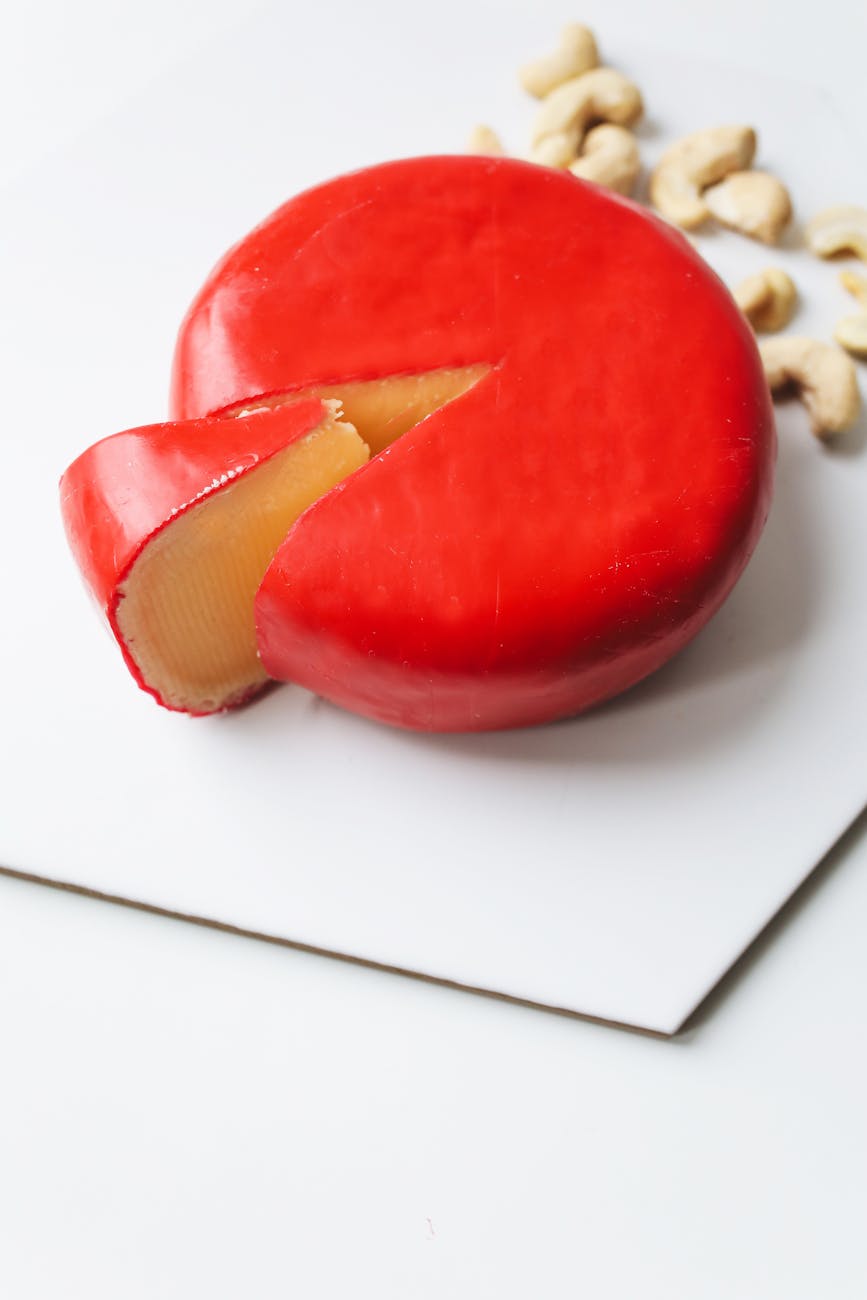
Some cheeses arrive at the store wrapped in plastic, while others come coated in thick, colorful wax. This waxy layer is more than just decorative—it plays an important role in preserving texture, flavor, and freshness. Traditional waxed cheeses are especially common in artisanal and long-aged varieties, where careful storage is essential.
From small farmstead producers to well-known specialty brands, wax sealing remains a trusted method of protecting cheese during aging and storage. Here are five key reasons why cheese is sealed in wax, with specific examples that show how this practice is used in real products.
TO LOCK IN MOISTURE DURING AGING
One of the primary reasons cheese is sealed in wax is to prevent moisture loss. As cheese ages, it naturally releases water, which can dry it out and negatively affect texture. Wax creates a protective barrier that helps maintain the cheese’s internal moisture balance.
For example, waxed cheddars like Red Leicester-style farm cheddars often develop rich, creamy textures because the wax prevents them from becoming crumbly too quickly. Similarly, Gouda wheels from Dutch-style producers are frequently coated in wax to preserve their semi-soft consistency during long aging periods.
Without wax, these cheeses would dry out unevenly, resulting in a harder and less desirable texture.
TO PROTECT FROM MOLD AND CONTAMINATION
Cheese is highly sensitive to airborne bacteria and mold. Wax sealing helps create a near-airtight barrier that protects the cheese from unwanted microbial growth during storage and transport.
Artisan cheddars like Snowdonia Black Bomber often use wax coatings to prevent surface contamination while allowing the cheese inside to mature properly. The wax helps ensure that only controlled aging conditions affect the cheese.
This protective layer is especially important for cheeses aged for months or even years, where exposure to outside elements could ruin the product long before it reaches consumers.
TO EXTEND SHELF LIFE
Waxed cheese generally lasts longer than unpackaged varieties because the wax slows down spoilage. By limiting exposure to air, wax reduces oxidation and helps preserve flavor over time.
Classic examples include waxed truckles of cheddar often sold in specialty shops or holiday gift baskets. These small rounds are designed to be stored for extended periods without refrigeration in some cases.
The wax coating allows producers to ship cheese across long distances without compromising quality, making it especially useful for international exports.
Common benefits of wax sealing include:
- Reduced spoilage during transport
- Longer shelf stability
- Protection against temperature fluctuations
- Slower flavor degradation
These advantages make wax ideal for both commercial producers and artisanal cheesemakers.
TO PRESERVE FLAVOR DEVELOPMENT
Aging cheese is a delicate process where flavor compounds develop slowly over time. Wax helps control this process by limiting external airflow, allowing the cheese to mature in a more stable environment.
For instance, waxed aged Gouda develops deep caramel-like notes when sealed properly, as seen in varieties like 2-year or 3-year aged Dutch goudas. The wax helps maintain consistent aging conditions that enhance flavor complexity.
Similarly, waxed cheddars such as Barber’s Vintage Reserve benefit from controlled aging that produces sharp, nutty, and slightly crystalline textures.
Without wax, flavor development can become uneven or overly influenced by environmental changes.
TO SUPPORT TRADITIONAL AND ARTISANAL PRODUCTION METHODS
Wax sealing is also used to preserve traditional cheesemaking techniques. Many artisanal producers continue to wax their cheeses by hand as part of heritage practices that date back centuries.
Small dairies in Europe and North America still produce waxed cheeses using methods similar to those used in historical farmhouse cheesemaking. This includes hand-dipping cheese wheels into colored wax baths, often red, black, or gold depending on the variety.
For example, traditional English farmhouse cheddars and Dutch goudas often maintain wax coatings as part of their identity, signaling quality and craftsmanship.
This method also allows producers to distinguish premium or specialty cheeses visually, making wax an important branding tool as well as a preservation method.
Conclusion
Wax sealing is far more than a decorative touch—it plays a crucial role in preserving moisture, protecting against contamination, extending shelf life, controlling flavor development, and maintaining traditional cheesemaking practices. From aged cheddar wheels to Dutch-style goudas, wax helps ensure that cheese reaches consumers in optimal condition.
As both a practical tool and a cultural tradition, wax remains an essential part of many cheesemaking processes around the world. It continues to connect modern consumers with centuries-old food preservation techniques.




Leave a Reply