
Candy recipes are not as fixed as many consumers assume. Over time, manufacturers frequently adjust formulas due to ingredient costs, changing regulations, supply chain issues, and evolving consumer preferences for things like “cleaner” labels or reduced artificial additives.
In some cases, these changes are subtle and go unnoticed, while in others they noticeably alter flavor, texture, or sweetness. Recent years have seen several well-known candies reformulated, sparking discussion among longtime fans who remember how they used to taste.
Hershey’s Milk Chocolate Bars
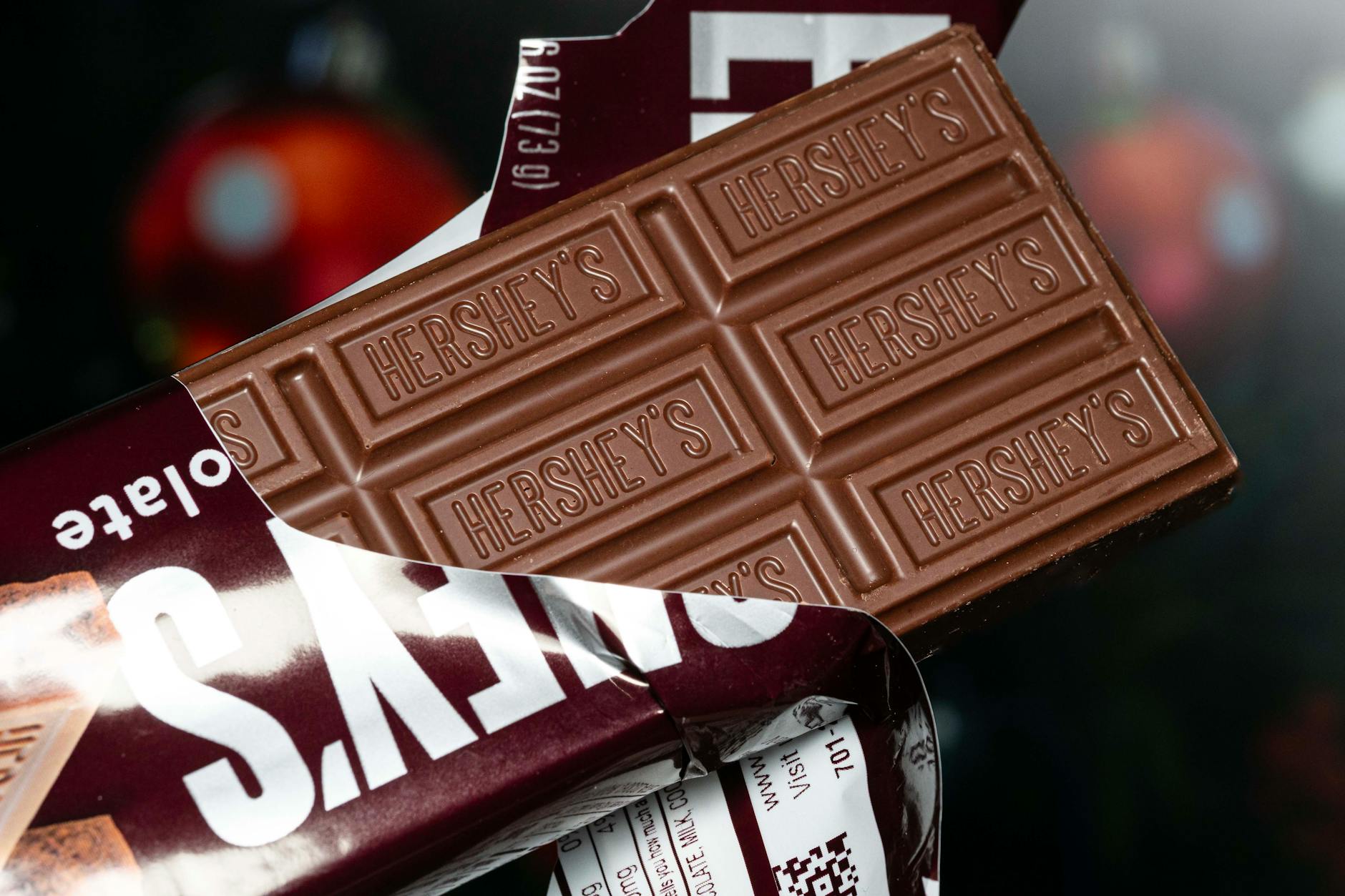
Hershey’s Milk Chocolate Bar has undergone gradual recipe adjustments over the years, especially in response to sourcing changes in milk and cocoa ingredients. While the brand remains iconic, consumers have occasionally noted differences in sweetness and texture compared to older versions.
Some updates have been tied to efforts to standardize ingredient sourcing and improve shelf stability. These changes can subtly affect flavor perception, especially for people who grew up with earlier formulations.
Despite adjustments, it remains one of the most recognizable chocolate bars in the world.
Skittles Original Fruit Candies
Skittles Original Fruit Candy has seen formulation changes in certain markets, particularly around coloring agents and ingredient sourcing. These adjustments have been influenced by shifting regulations regarding artificial dyes and consumer demand for alternative ingredients.
While the overall fruity flavor profile remains consistent, some versions now use modified color blends or different natural color substitutes. This can slightly alter appearance and taste perception.
The brand continues to evolve while maintaining its signature “taste the rainbow” identity.
Reese’s Peanut Butter Cups
Reese’s Peanut Butter Cups have experienced periodic recipe tweaks, particularly in the chocolate coating and peanut butter filling ratios. These changes are often subtle and aimed at maintaining consistency across large-scale production.
Some consumers report differences in sweetness or texture over time, which may reflect ingredient sourcing adjustments or manufacturing refinements. However, the core combination of chocolate and peanut butter remains unchanged.
Small shifts in formulation can still be noticeable to long-time fans.
M&M’s Milk Chocolate Candies
M&M’s Milk Chocolate Candies have undergone multiple recipe and coating adjustments over the years, especially in response to color additive regulations and manufacturing improvements. The chocolate center has also been refined for smoother texture consistency.
In some regions, changes to dye formulations have slightly altered the appearance of the candy shell. While the taste remains largely familiar, texture and coating thickness have evolved over time.
These adjustments reflect broader industry shifts toward updated food coloring standards.
Oreo Cookies
Oreo Cookies have seen notable recipe changes in different markets, particularly regarding sugar levels and ingredient sourcing. The cookie filling and chocolate wafer have both been adjusted in some regions to meet regulatory and consumer expectations.
These changes can influence sweetness and texture, even if the overall experience remains familiar. Some versions are also marketed with reduced sugar or modified fats.
Because Oreos are sold globally, recipe differences can vary significantly by country.
Twix Chocolate Bars
Twix Chocolate Bar have experienced subtle recipe updates over time, particularly in caramel consistency and chocolate coating formulation. These changes are often driven by manufacturing efficiency and ingredient standardization.
Some consumers note differences in chewiness or sweetness compared to older versions. However, the overall structure—cookie, caramel, and chocolate—remains consistent.
Even small formulation adjustments can affect how the layers interact when bitten.
Common Reasons Candy Recipes Change
Candy recipe changes are typically driven by industry-wide factors rather than sudden decisions. Manufacturers must balance cost, shelf life, regulatory compliance, and consumer expectations.
Common reasons include:
- Changes in sugar or cocoa sourcing
- Removal or replacement of artificial dyes
- Updates to meet international food regulations
- Improvements in shelf stability or texture
These shifts often happen gradually, making them difficult to detect without side-by-side comparisons.
Conclusion
Many popular candies have experienced quiet recipe changes over time, even if their branding and packaging remain familiar. These adjustments are usually made to comply with regulations, improve manufacturing efficiency, or respond to evolving consumer preferences.
While the core identity of these sweets remains intact, small changes in ingredients or formulation can subtly influence flavor and texture. For long-time fans, these differences are often more noticeable than expected.
Leave a Reply