
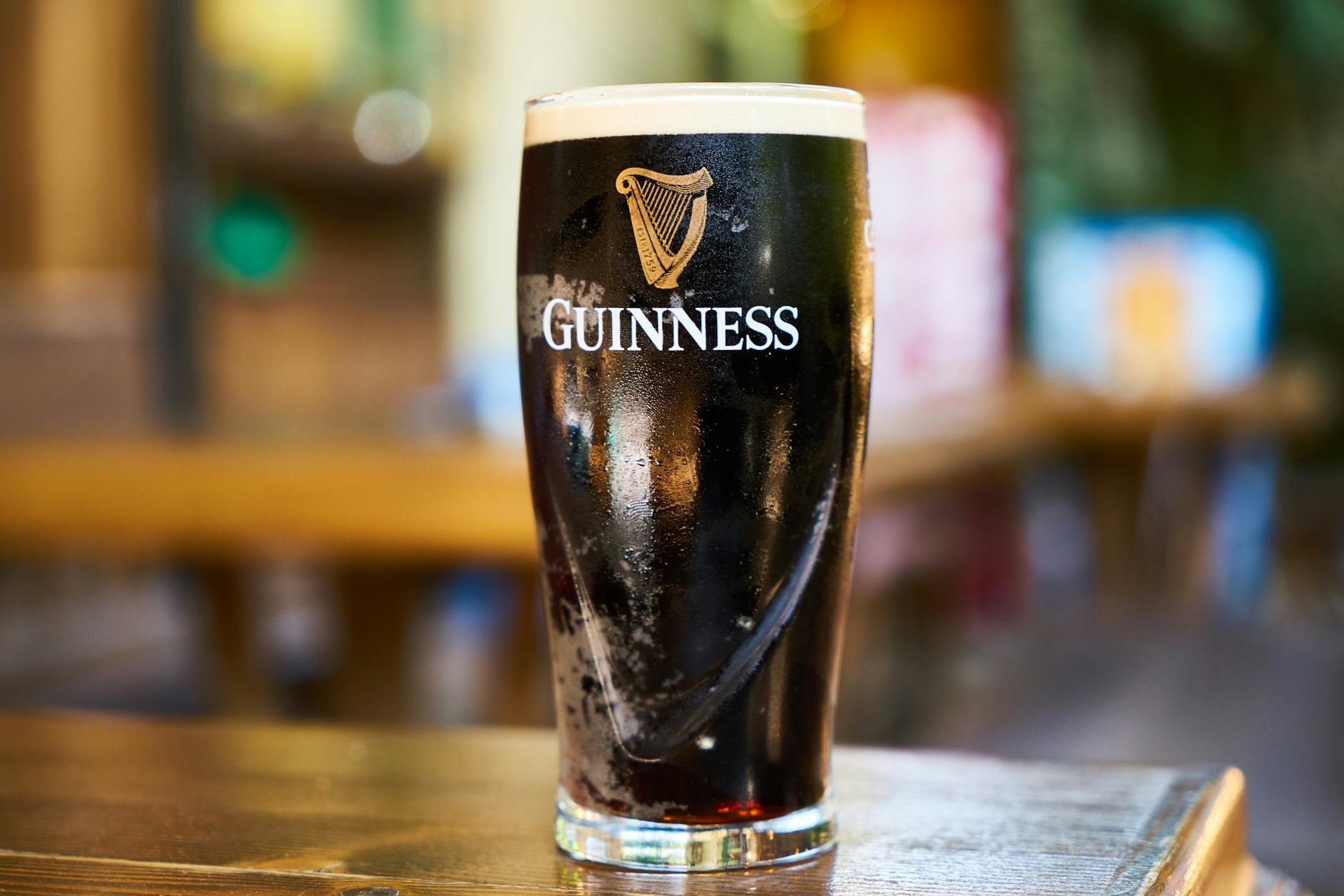
Guinness is one of the most recognizable beer brands in the world, known for its dark color, creamy head, and long-standing cultural presence. Originating in Ireland, it has become a global symbol of stout beer and traditional brewing craftsmanship.
What many people don’t realize is that Guinness has a surprisingly refreshing history tied to innovation, trade, and changing drinking habits over centuries. Its story is not just about beer, but about how brewing techniques evolved alongside global demand and local Irish identity.
Origins in Dublin
The story of Guinness begins in 1759, when Arthur Guinness signed a famously long 9,000-year lease on a brewery at St. James’s Gate in Dublin, Ireland. This bold move marked the beginning of what would become one of the world’s most successful brewing companies.
At the time, Dublin was already a growing brewing hub, but Guinness focused on producing porter-style beer, which was popular among working-class drinkers in London and Ireland. Over time, this evolved into the richer stout we associate with the brand today.
Arthur Guinness’s decision to expand production and focus on export helped set the foundation for global distribution. The brewery quickly grew beyond local demand, shaping the identity of Irish beer worldwide.
The Rise of Stout and Brewing Innovation
Guinness became famous for refining porter into what is now known as stout. This style is darker, richer, and has a distinct roasted flavor profile created from heavily kilned barley.
The company experimented with ingredients and brewing techniques that set it apart from other beers of the time. These innovations helped Guinness maintain consistency while scaling production internationally.
Over time, stout became closely associated with Irish culture, and Guinness played a major role in defining that identity. Its deep flavor and thick texture made it instantly recognizable across continents.
Global Expansion and Signature Serving Style
As Guinness expanded globally, it developed a strong reputation not just for taste but for its unique pouring method. The beer is famously served using a two-part pour that creates its creamy foam head.
One of the most distinctive features of Guinness is its use of nitrogen instead of only carbon dioxide, which gives it a smoother, less fizzy texture. This also contributes to its iconic cascading effect in the glass.
Key features of Guinness serving style include:
- A two-stage pour to develop the foam head
- Use of nitrogen gas for a creamy texture
- A settling period before serving is complete
- Signature dark color with ruby highlights in light
This serving ritual became part of the brand’s identity, reinforcing its premium and traditional image in pubs around the world.
Why Guinness Feels So Distinct
Despite being a stout, Guinness is often described as surprisingly smooth and balanced compared to other dark beers. Its flavor profile combines roasted malt bitterness with a slightly sweet finish.
The nitrogen infusion reduces carbonation sharpness, making it feel “softer” on the palate. This contributes to its reputation as a drink that is rich yet unexpectedly refreshing.
Cultural associations also play a role in how it is perceived. Guinness is closely tied to Irish pub culture, social gatherings, and long-standing traditions that reinforce its global appeal.
Conclusion
Guinness has evolved from a small Dublin brewery into an international symbol of brewing heritage and innovation. Its history reflects centuries of craftsmanship, adaptation, and cultural influence that extend far beyond Ireland.
Today, it remains one of the most recognizable beer brands in the world, not just for its flavor but for the story behind it. That combination of history and technique is what continues to define its lasting identity.




Leave a Reply