
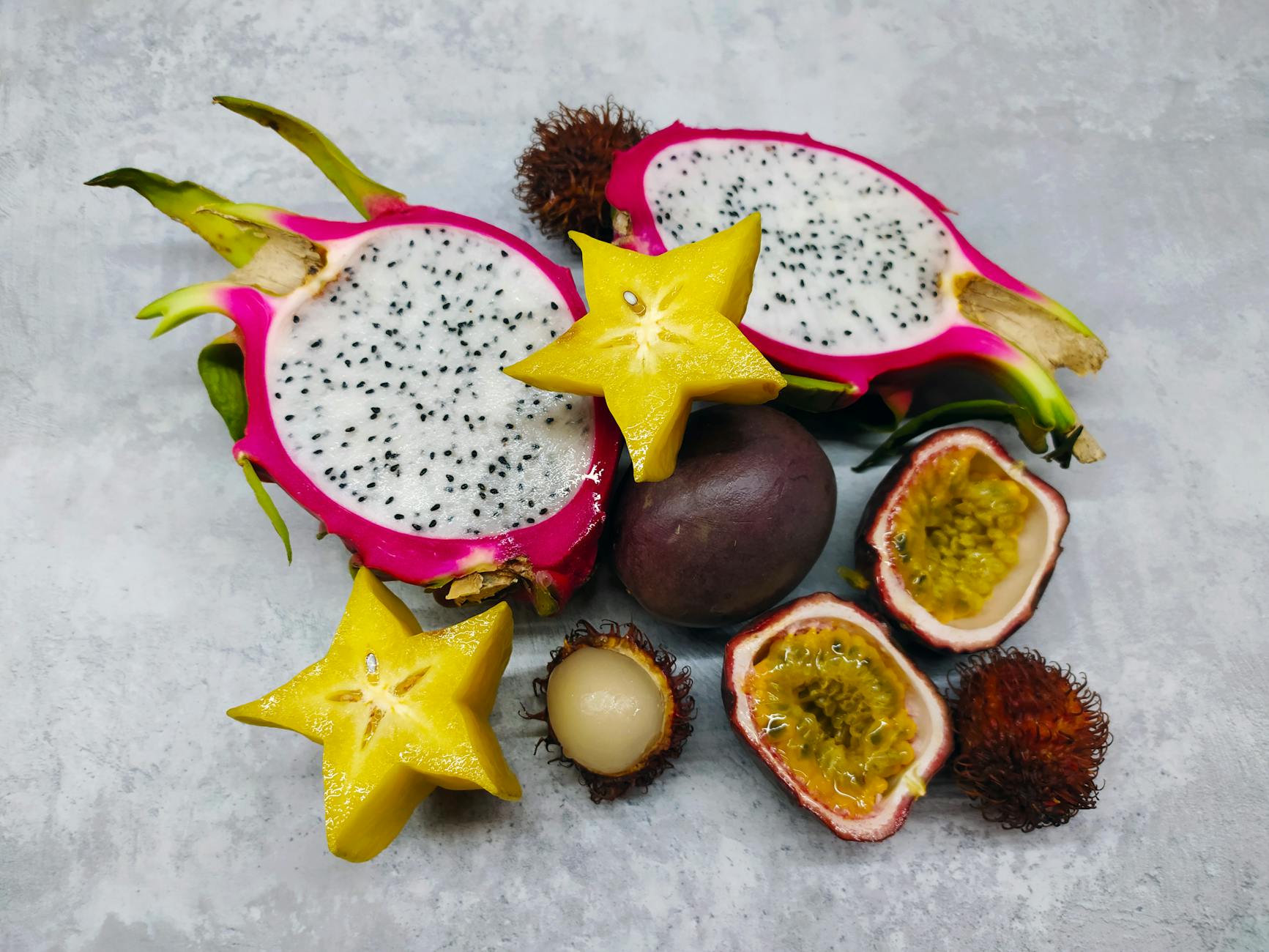
Around the world, there are hundreds of unique fruits that rarely make it beyond their native regions. Many of these are limited not because they lack popularity, but because they are fragile, seasonal, or difficult to transport internationally. In the United States, this means some truly distinctive flavors are almost impossible to experience fresh.
From tropical rainforest harvests to island specialties, these fruits often remain local delicacies. Even when processed versions appear in specialty stores, the fresh versions are usually restricted by import rules, shelf-life issues, or agricultural concerns.
Ackee (Caribbean)
Ackee is the national fruit of Jamaica and a key ingredient in the iconic dish “ackee and saltfish.” Despite its cultural importance, fresh ackee is extremely rare in the United States due to strict import regulations.
The fruit contains naturally occurring toxins when unripe, which can make it dangerous if not properly prepared. Because of this risk, U.S. imports are heavily restricted, and only specially processed canned versions are commonly available.
In Caribbean countries, ackee is widely enjoyed as a savory breakfast staple. Its texture is often compared to scrambled eggs, making it a unique fruit that blurs the line between fruit and vegetable in culinary use.
Salak (Snake Fruit)
Salak, or snake fruit, is native to Indonesia and gets its name from its reddish-brown, scaly skin. Inside, it has a crisp texture and a sweet-tart flavor that is very different from typical tropical fruits.
Fresh salak rarely reaches the United States because it spoils quickly and bruises easily during transport. Its delicate structure makes long-distance export challenging, limiting it mostly to Asian markets.
Common challenges for importing salak include:
- Extremely short shelf life after harvest
- Fragile outer skin that damages easily
- Limited large-scale export infrastructure
- Sensitivity to temperature changes during shipping
In its home region, salak is commonly eaten as a snack or used in desserts, often peeled and eaten fresh within hours of harvest.
Cupuaçu (Amazon Basin)
Cupuaçu is a rainforest fruit native to Brazil and related to cacao. It has a creamy pulp with a complex flavor often described as a mix of chocolate, pineapple, and banana.
Despite its popularity in South America, cupuaçu is rarely found fresh in the United States. Its high perishability and limited cultivation outside the Amazon make international shipping difficult.
Instead of fresh fruit, most global consumers encounter cupuaçu in processed forms like powders, juices, or cosmetic ingredients. In Brazil, it is commonly used in desserts and ice creams due to its rich texture.
Fresh Mangosteen (Southeast Asia)
Mangosteen is a tropical fruit native to Southeast Asia, known for its thick purple rind and soft, segmented white interior. It is often called the “queen of fruits” because of its delicate sweetness and aromatic flavor.
Although it can occasionally be found in U.S. specialty stores, truly fresh mangosteen remains rare. For many years, import restrictions related to agricultural pests also limited its availability.
Its supply is often inconsistent because of seasonal harvesting and long shipping times. Even when available, freshness can vary significantly, affecting taste and texture compared to fruit consumed locally in countries like Thailand and Malaysia.
Jabuticaba (Brazil)
Jabuticaba is one of the most unusual fruits in the world because it grows directly on the trunks of its trees rather than on branches. It resembles a large dark grape and has a sweet, slightly tart flavor.
Fresh jabuticaba is almost impossible to find outside Brazil because it begins fermenting within just a few days of being harvested. This extremely short shelf life makes international export impractical.
Locally, it is eaten fresh or turned into jams, wines, and liqueurs. In Brazil, it is often picked straight from the tree and eaten immediately, making it a highly localized seasonal treat.
Conclusion
These fruits highlight how geography, climate, and logistics shape what reaches global markets. Even in an interconnected world, some flavors remain tied closely to their place of origin, making them rare experiences outside their native regions.

Leave a Reply