
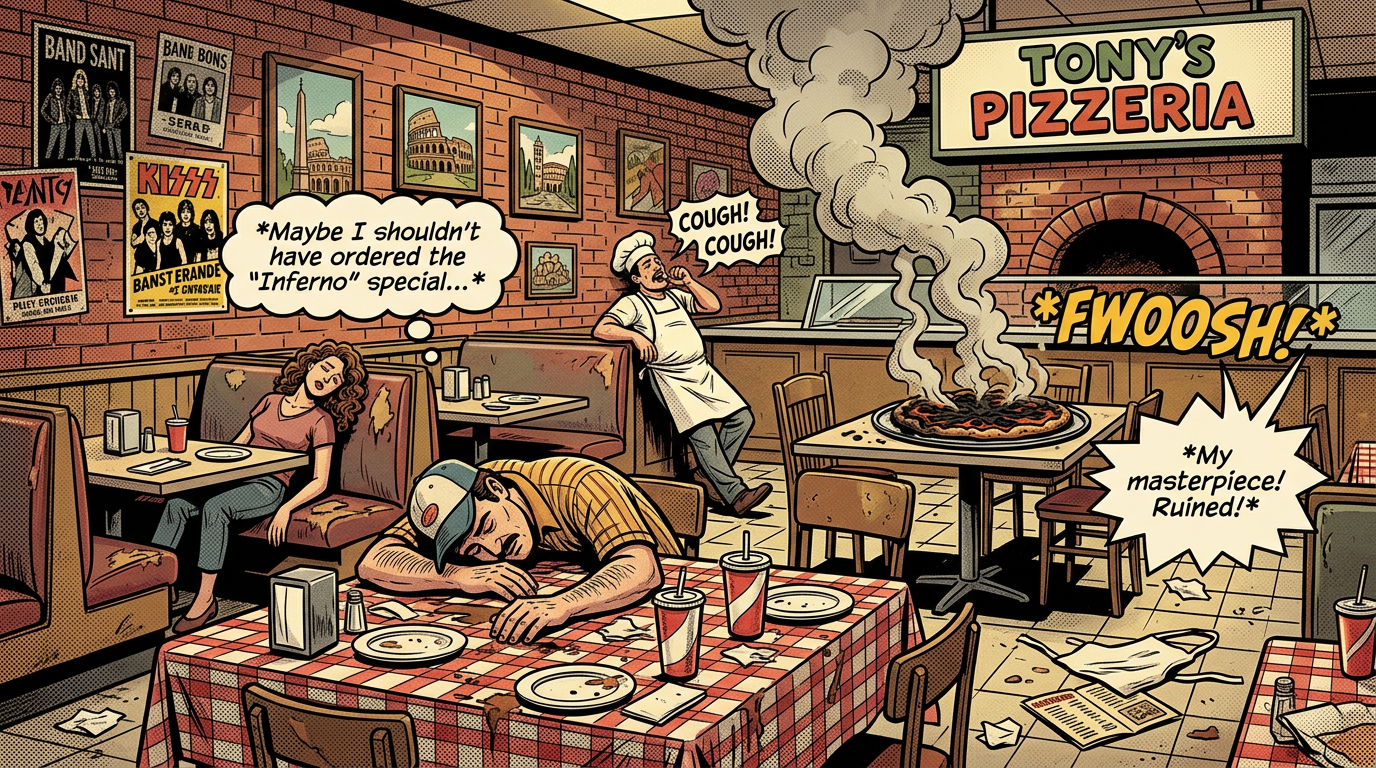
Pizza is one of the world’s most popular comfort foods, and many people actually enjoy a slice with slightly charred edges or crispy toppings. However, there is a difference between lightly browned crust and heavily burnt pizza covered in blackened spots.
When food is overcooked at extremely high temperatures, certain chemical compounds can form during the burning process. While occasionally eating slightly burnt food is unlikely to cause major harm, regularly consuming heavily charred foods has raised concerns among nutrition researchers and health experts.
Formation of Acrylamide
One of the biggest concerns with burnt pizza crust is the formation of acrylamide. This chemical can develop when starchy foods like dough are cooked at very high temperatures for extended periods.
Acrylamide forms during browning and charring, especially in carbohydrate-rich foods. Researchers have studied the compound extensively because high exposure levels in laboratory settings have been linked to health concerns.
Pizza crust is particularly susceptible because it contains refined flour and is often cooked in very hot ovens. The darker and more burnt the crust becomes, the greater the likelihood that higher acrylamide levels are present.
Exposure to Polycyclic Aromatic Hydrocarbons (PAHs)
Burnt pizza toppings and crust can also contain compounds called polycyclic aromatic hydrocarbons, often shortened to PAHs. These chemicals are created when fats and organic material burn at high temperatures.
Cheese, meats, and oily toppings may drip and scorch during cooking, increasing smoke and char formation. This process can contribute to PAH exposure in heavily burnt foods.
Researchers often study PAHs because prolonged exposure at high levels has been associated with increased health risks. The concern becomes greater when charred foods are consumed frequently over long periods.
Digestive Irritation
Burnt pizza can be harsh on the digestive system, especially for people with acid reflux or sensitive stomachs. The bitter compounds created during burning may irritate the digestive tract in some individuals.
Overcooked cheese and blackened crust can also become tougher to digest. This may lead to bloating, discomfort, or heartburn after eating heavily charred slices.
Common signs that pizza may be excessively burnt include:
- Blackened crust instead of golden brown coloring
- Bitter or smoky flavor overpowering the toppings
- Hard, brittle texture on the edges
- Burnt cheese or darkened pepperoni oils
- Excessive smoke during baking
These indicators suggest the pizza has moved beyond simple crispiness into overcooking territory.
Increased Sodium and Processed Ingredient Concerns
Burnt pizza is often made from highly processed frozen or fast-food varieties that already contain elevated sodium and preservative levels. Charring these products adds another layer of concern beyond the pizza itself.
Processed meats like pepperoni and sausage are frequently included on pizzas that are cooked until heavily crisped. Nutrition experts already recommend moderation with processed meats due to their sodium and preservative content.
When these toppings are burnt, the combination of processed ingredients and charring may increase discussions around long-term dietary health. The issue is less about one slice and more about repeated dietary habits over time.
Loss of Nutritional Quality
Overcooking pizza can reduce the quality of certain ingredients and diminish flavor balance. Vegetables may dry out completely, while proteins and cheeses lose moisture and texture.
Burning food also destroys some heat-sensitive nutrients naturally present in ingredients like tomato sauce or vegetable toppings. While pizza is not usually viewed as a health food, excessive burning can make it even less nutritionally balanced.
Many chefs aim for controlled browning rather than deep black charring because it preserves both texture and taste. Proper cooking creates caramelization without pushing ingredients into burnt territory.
Conclusion
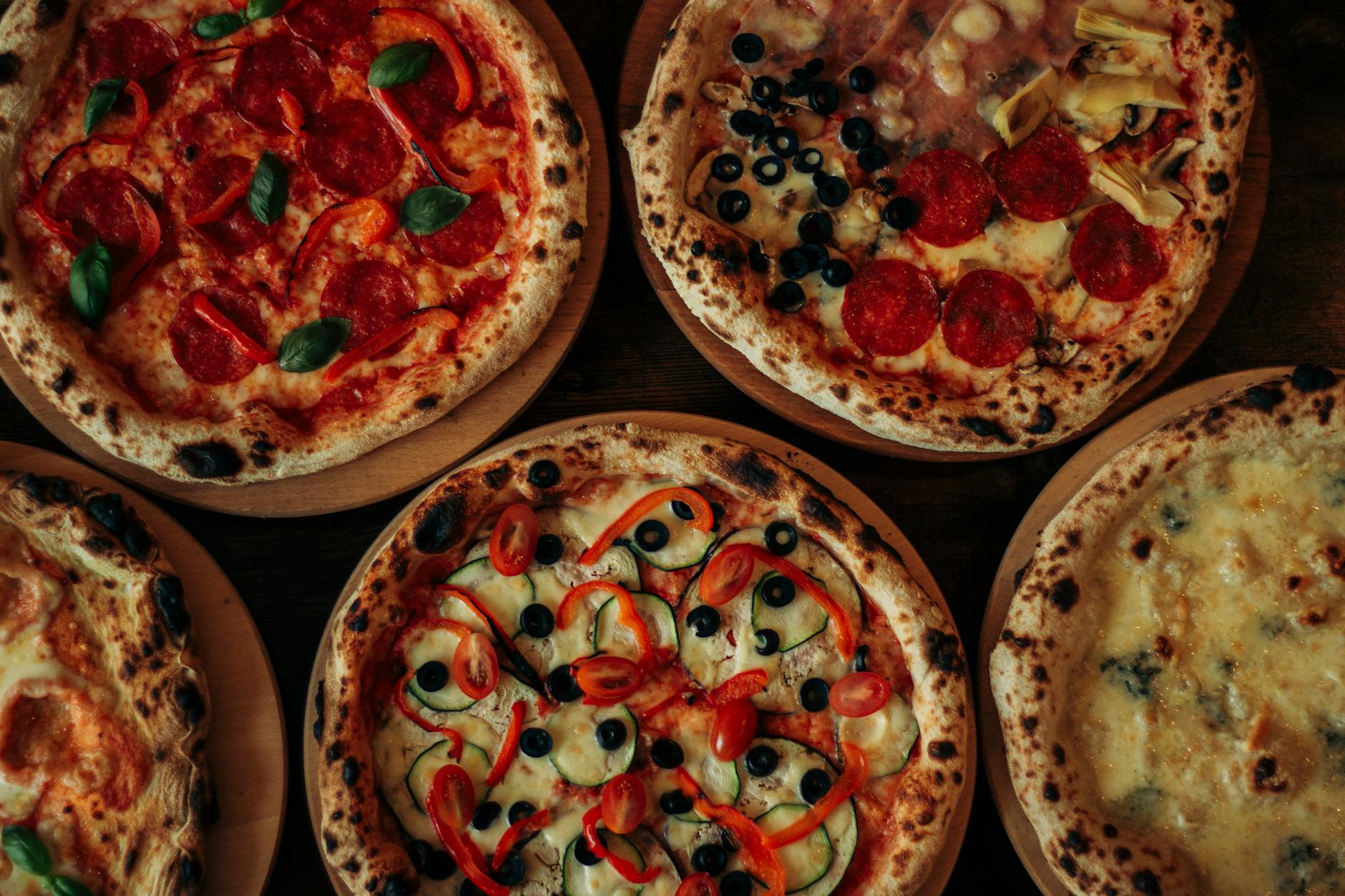
A slightly crisp pizza crust is very different from heavily charred or blackened pizza. While occasional exposure to burnt foods is common, consistently eating heavily burnt pizza may increase exposure to compounds researchers continue to study closely.
Most health experts recommend moderation and avoiding excessive charring whenever possible. Cooking pizza until golden brown instead of blackened can help preserve flavor, texture, and overall food quality.

Leave a Reply