
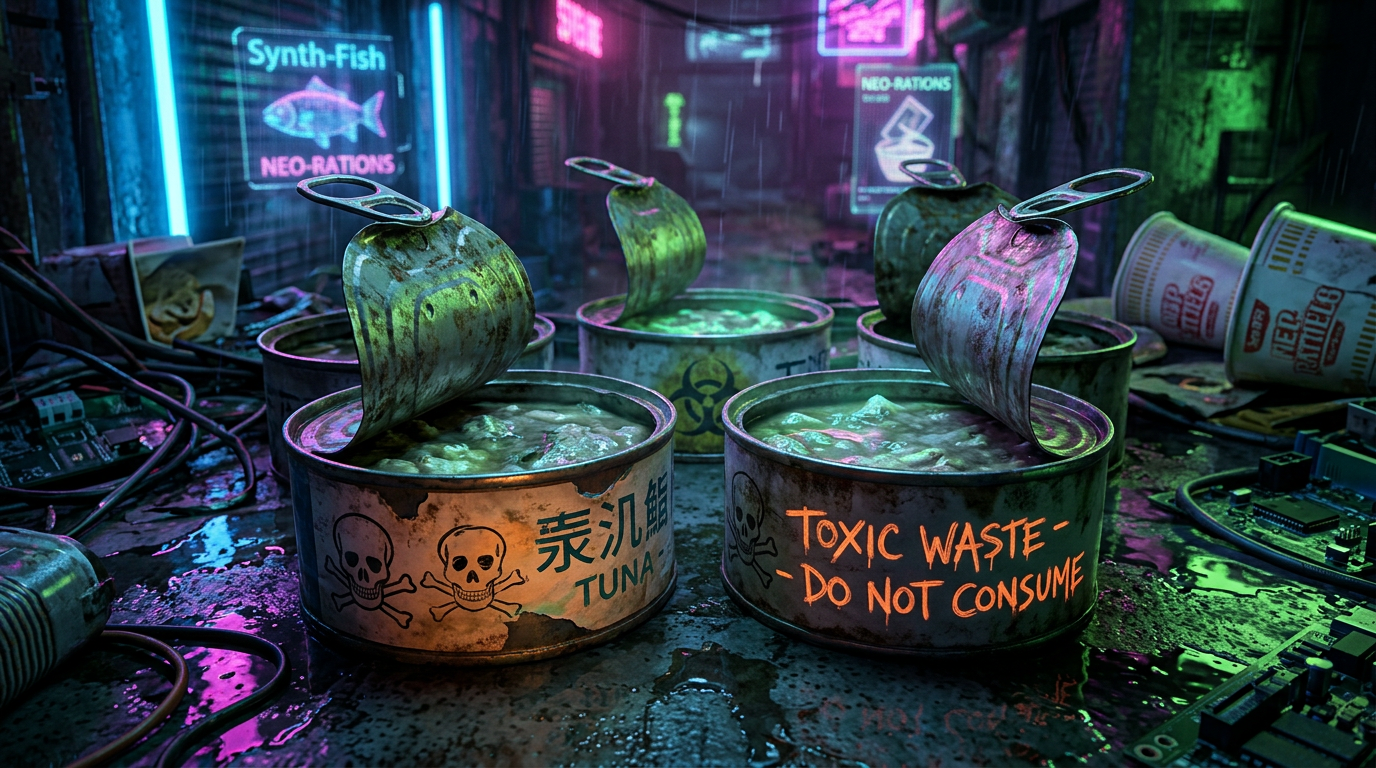
Canned tuna is one of the most common pantry staples worldwide, valued for its convenience, protein content, and long shelf life. Popular brands like StarKist, Bumble Bee, and Chicken of the Sea dominate grocery shelves and are used in everything from sandwiches to salads.
However, in recent years, attention has grown around food safety concerns involving canned tuna. These issues are not always about a single product being “unsafe,” but rather about variability in heavy metals, packaging defects, and rare contamination events that can affect certain batches or products.
Bumble Bee Chunk Light Tuna in Water
Bumble Bee Chunk Light Tuna in Water is one of the most widely consumed canned tuna products in North America. While generally considered low in mercury compared to albacore varieties, studies have shown that mercury levels can still vary from can to can depending on the fish source.
This variability is what raises concern for frequent consumers, especially when tuna is eaten multiple times per week. Mercury is a naturally occurring heavy metal in oceans, and tuna accumulate it through the food chain over time.
Although average levels are often within safety guidelines, inconsistent concentrations mean some cans may contain higher spikes than expected.
Chicken of the Sea Solid White Albacore
Chicken of the Sea Solid White Albacore is a popular premium canned tuna known for its firmer texture and richer flavor. However, albacore tuna is generally higher in mercury than skipjack varieties, which is an important consideration for frequent consumption.
Consumer testing has shown that some albacore products can contain elevated mercury levels compared to light tuna options. This is especially relevant for sensitive groups such as children or pregnant individuals.
Because mercury is a neurotoxin that can accumulate in the body over time, health experts often recommend limiting intake of higher-mercury tuna types.
StarKist Chunk Light Tuna
StarKist Chunk Light Tuna is another major supermarket staple found in millions of households. Like other light tuna products, it is typically lower in mercury than albacore, but testing has still identified variability across samples.
One concern highlighted in research is that even products within the same brand can show different contamination levels depending on sourcing and batch differences.
This inconsistency is why some consumer safety groups recommend rotating protein sources rather than relying heavily on one type of canned fish.
Genova Yellowfin Tuna (Recall-Linked Product Example)
Genova Yellowfin Tuna has been associated with a major canned tuna recall involving packaging defects that raised contamination concerns. The issue was linked to a faulty “easy open” lid design that could compromise the seal over time.
When seals are compromised, there is a rare but serious risk of bacterial contamination, including botulism, which is a dangerous form of food poisoning.
While no widespread illnesses were reported in connection with the recall, the event highlighted how packaging integrity is just as important as ingredient quality in canned foods.
Wild Planet Skipjack Tuna
Wild Planet Skipjack Tuna is often marketed as a more sustainable and lower-mercury option compared to larger tuna species. Skipjack generally contains less mercury than albacore, making it a preferred choice for frequent tuna consumers.
However, even lower-mercury tuna is not completely free from contamination concerns. Independent testing has shown that heavy metal levels can still vary depending on environmental conditions and sourcing regions.
This means that “safer” options still require moderation, especially when eaten regularly over long periods.
Trader Joe’s Solid White Tuna (Store-Brand Packaged Tuna)
Trader Joe’s Solid White Tuna is a widely purchased store-brand option that has also appeared in broader canned tuna recalls involving multiple retailers. These recalls were tied to manufacturing defects rather than the tuna itself, particularly issues with can sealing.
When sealing defects occur, there is a risk of contamination developing inside the can if the product is stored over time.
Even though such events are rare, they highlight the importance of checking packaging condition and staying aware of recall notices for processed foods.
Conclusion
Canned tuna remains a nutritious and convenient food, but concerns around mercury variability and rare contamination events have made consumers more cautious. Brands like Bumble Bee, StarKist, and others are still widely considered safe when consumed in moderation.
The key takeaway from food safety research is not to avoid tuna entirely, but to understand differences in species, sourcing, and packaging quality. Varying protein sources and paying attention to product recalls can help reduce potential risks while still enjoying tuna as part of a balanced diet.


Leave a Reply