
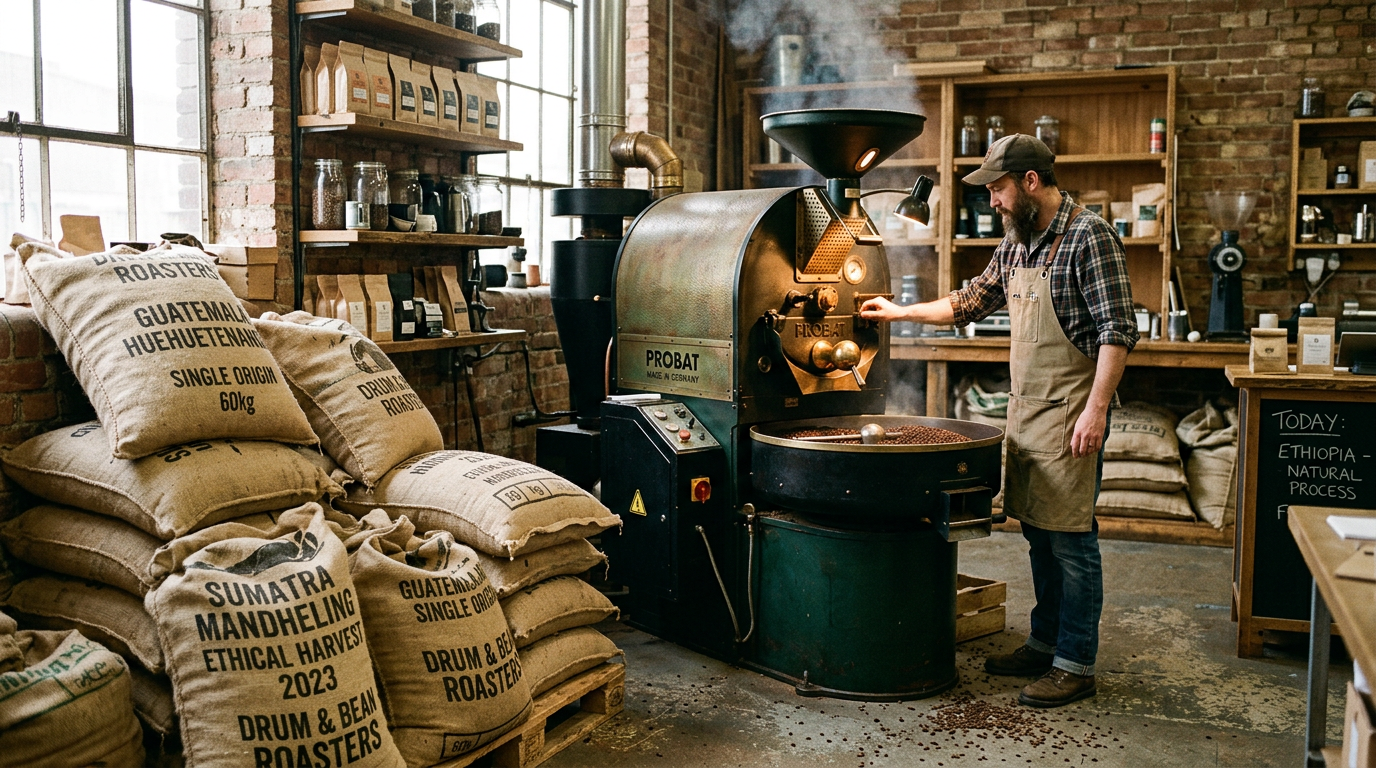
The coffee world is filled with well-known names that dominate grocery shelves and café menus, but many smaller roasters quietly produce exceptional beans without widespread recognition. These lesser-known brands often focus on sourcing transparency, small-batch roasting, and unique flavor profiles that appeal to curious coffee drinkers.
Exploring these roasters can introduce new tasting experiences that differ from mainstream blends. From fruit-forward light roasts to rich, chocolatey dark profiles, these brands show how diverse coffee can be when it’s crafted with care rather than mass production.
Verve Coffee Roasters
Verve Coffee Roasters is a California-based roaster known for its emphasis on direct trade relationships with coffee farmers. The company focuses heavily on sustainability and seasonal sourcing, which helps create more distinct flavor profiles throughout the year.
Their coffees often highlight bright acidity and complex fruit notes, especially in single-origin offerings. Many drinkers appreciate how clearly the origin characteristics come through in each cup.
Verve’s cafés also emphasize modern brewing methods like pour-over and batch brew, which showcase the beans’ natural complexity.
Onyx Coffee Lab
Onyx Coffee Lab has gained a cult following among specialty coffee enthusiasts for its precision roasting and experimental approach. Based in Arkansas, the company consistently ranks highly in coffee competitions.
Their offerings often feature carefully curated single-origin beans with detailed tasting notes that resemble wine descriptions. This attention to detail helps consumers better understand the nuances of each roast.
Onyx also invests heavily in education, offering brewing guides and transparency around sourcing practices.
La Colombe Coffee Roasters
La Colombe Coffee Roasters started as a café brand in Philadelphia before expanding into a nationally recognized roaster. Despite its growth, it remains less discussed than larger commercial coffee chains.
The brand is known for smooth, balanced blends that appeal to everyday coffee drinkers. It also offers ready-to-drink canned coffee beverages that helped popularize cold coffee formats in retail stores.
Many fans appreciate La Colombe for striking a balance between specialty coffee quality and wide accessibility.
Blue Bottle Coffee
Blue Bottle Coffee is often associated with minimalist branding and a focus on freshness, but it still remains less familiar to casual coffee drinkers compared to major global chains. The company prioritizes roasting beans in small batches and shipping them shortly after roasting.
Their flavor profiles often emphasize clarity, with clean finishes and subtle sweetness. This makes them especially popular among those who prefer lighter roasts and single-origin coffees.
Blue Bottle also helped popularize pour-over coffee culture in the United States, bringing specialty brewing methods into mainstream awareness.
Counter Culture Coffee
Counter Culture Coffee is a roaster deeply committed to sustainability, education, and long-term relationships with coffee producers. Based in North Carolina, it has played a major role in shaping modern specialty coffee culture.
Their seasonal offerings change frequently based on harvest cycles, allowing drinkers to experience coffee at its peak freshness. This approach encourages appreciation of coffee as an agricultural product rather than a static commodity.
Many coffee professionals consider Counter Culture one of the most influential education-focused roasters in the industry.
Why Smaller Coffee Brands Stand Out
Smaller coffee roasters often differentiate themselves through sourcing transparency and roast customization. Unlike large-scale commercial brands, they tend to highlight specific farms, regions, and harvest conditions.
Common qualities that set smaller roasters apart include:
- Fresher roast dates
- Direct trade sourcing relationships
- Seasonal or rotating coffee selections
- More detailed tasting notes
- Small-batch roasting techniques
These factors contribute to a more diverse and personalized coffee experience compared to standard mass-market blends.
Conclusion
While major coffee chains dominate visibility, smaller roasters continue to shape the specialty coffee landscape with innovation and craftsmanship. Exploring lesser-known brands can open the door to new flavor experiences and a deeper appreciation of how coffee is grown and prepared.
For many coffee drinkers, these roasters offer a chance to move beyond familiar flavors and discover something more nuanced and thoughtfully produced. The variety within the coffee world is far greater than most people realize.



Leave a Reply