
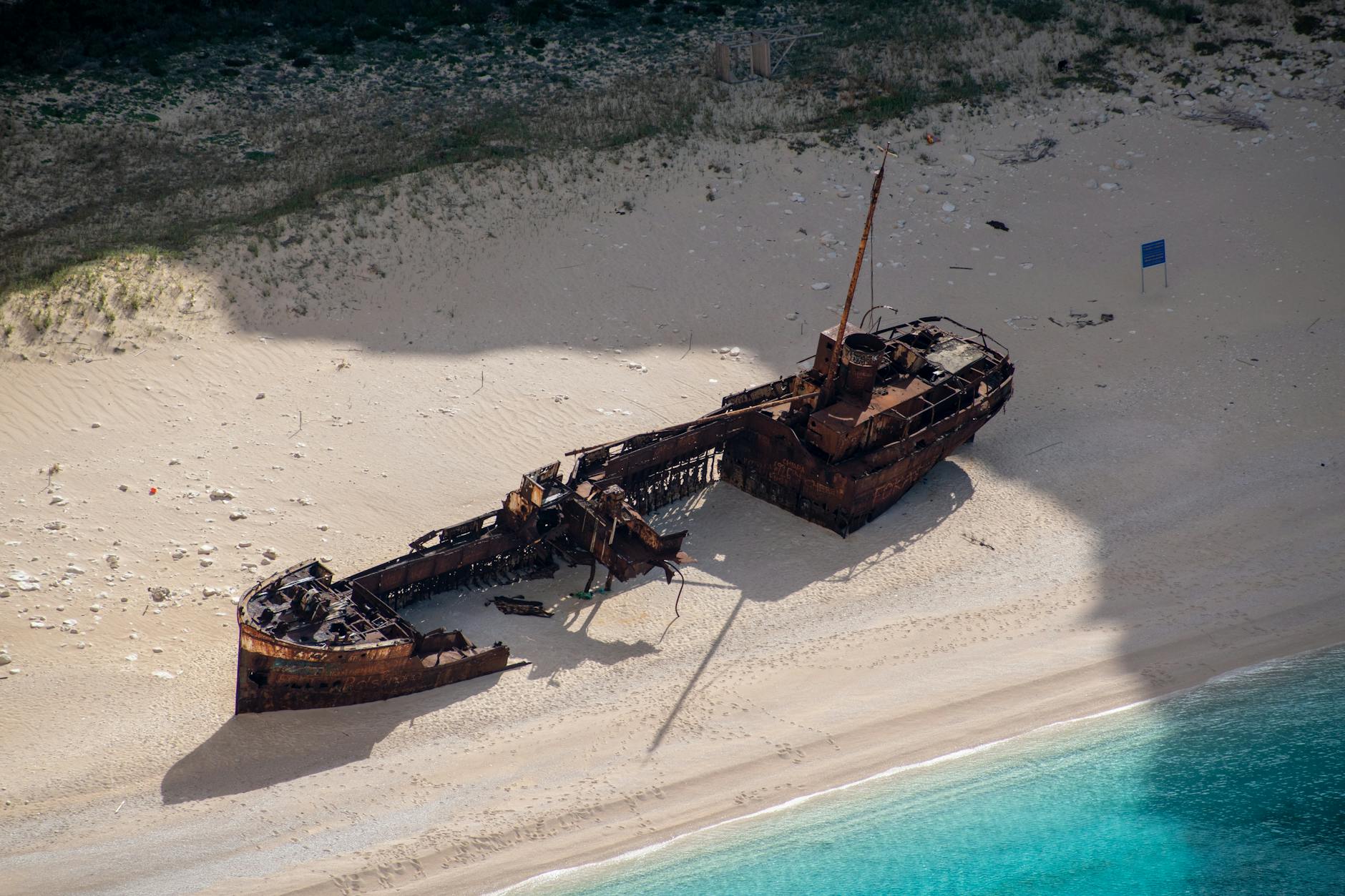
Rivers have served as vital transportation routes for centuries, carrying goods, people, and entire economies. However, strong currents, hidden hazards, and unpredictable weather have also made them dangerous. Over time, some rivers have become known for a high number of shipwrecks, leaving behind stories, artifacts, and underwater graveyards.
These waterways reflect both the importance of river trade and the risks that came with navigating them.
Mississippi River
Mississippi River has been a major commercial artery in North America for centuries. Its shifting sandbars, strong currents, and heavy traffic have contributed to numerous accidents.
Steamboats in the 19th century were especially vulnerable to boiler explosions and collisions. Many wrecks still lie beneath the river’s muddy waters today.
Danube River
Danube River flows through multiple countries and has long been a key trade route in Europe. Its length and varying conditions have made navigation challenging throughout history.
Wartime activity, especially during the World Wars, added to the number of shipwrecks. Some vessels were deliberately sunk, while others were lost during combat or transport.
Yangtze River
Yangtze River is one of the busiest and longest rivers in the world. Heavy traffic combined with seasonal flooding has contributed to numerous maritime accidents.
In addition to natural hazards, historical conflicts along the river have resulted in sunken vessels. Some wrecks date back hundreds of years.
Amazon River
Amazon River is known for its vast size and unpredictable conditions. Dense vegetation, submerged obstacles, and strong currents make navigation difficult.
Many smaller vessels have been lost due to sudden weather changes and limited visibility. The remote nature of the river also means some wrecks go undocumented.
St. Lawrence River
St. Lawrence River connects the Great Lakes to the Atlantic Ocean, making it a critical shipping route. Its rocky channels and cold waters have contributed to a long history of shipwrecks.
Fog and ice have also played major roles in maritime accidents. Today, the river is known for underwater wreck sites that attract divers.
Thames River
Thames River has been central to trade and transport in England for centuries. Its tidal nature and heavy historical traffic have led to numerous wrecks.
Many sunken vessels date back to medieval and early modern periods. Archaeological discoveries continue to reveal artifacts from these incidents.
Why These Rivers Have So Many Shipwrecks
Rivers with high shipwreck counts often share certain characteristics that increase navigational risk. These factors have remained consistent across different regions and time periods.
Common causes include:
- Strong or unpredictable currents
- Shifting sandbars and submerged obstacles
- Heavy commercial traffic
- Poor visibility from fog or weather
- Historical conflicts and wartime activity
These elements create hazardous conditions for even experienced navigators. Over time, they contribute to a growing number of wrecks.
The Historical Significance of River Shipwrecks
Shipwrecks are more than accidents—they are historical records preserved underwater. They provide insight into trade routes, technology, and daily life from different eras.
Archaeologists often study these sites to learn about past civilizations. In some cases, wrecks also serve as memorials to those who lost their lives.
Conclusion
Rivers have played a crucial role in shaping human history, but they have also posed significant dangers to those who traveled them. The rivers with the most shipwrecks reflect a combination of natural hazards and human activity.
By studying these waterways, we gain a deeper understanding of both the risks and rewards of river navigation. Their stories continue to flow beneath the surface.




Leave a Reply