
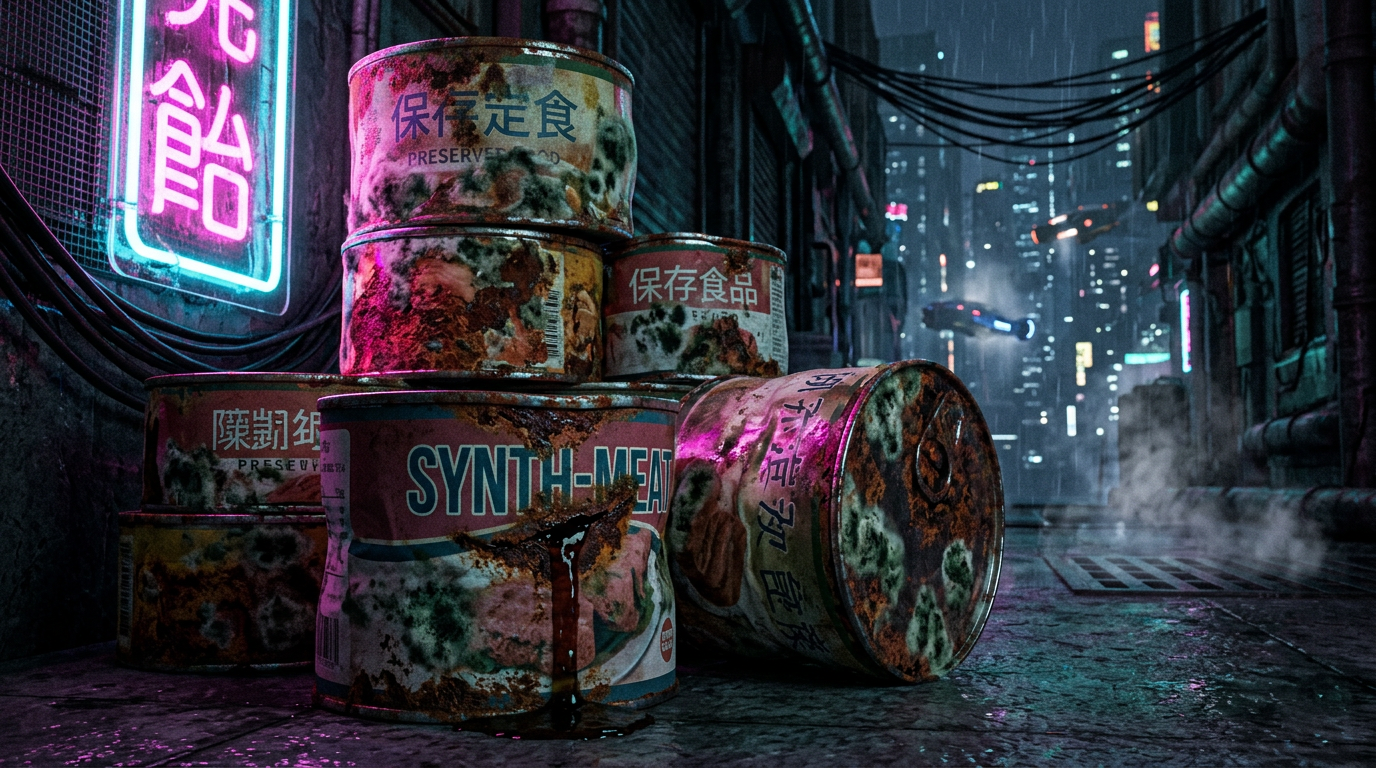
Canned foods are known for their long shelf life, making them a staple in pantries around the world. However, not all canned goods last forever, and some are more prone to spoilage due to their acidity, fat content, or storage conditions. Even though the canning process is designed to preserve food, factors like damaged packaging or improper storage can lead to quality loss over time.
Knowing which canned foods are more sensitive can help you avoid unpleasant surprises.
Canned tomatoes
Canned tomatoes are highly acidic, which can gradually interact with the lining of the can. Over time, this may affect both flavor and texture.
While still safe for a period, they tend to lose quality faster than low-acid foods. It’s best to use them within recommended timeframes.
Canned tuna
Canned tuna contains oils and proteins that can degrade over time. If stored improperly, it may develop an off smell or flavor.
Exposure to temperature fluctuations can accelerate this process. Always check for bulging or damaged cans before use.
Canned coconut milk
Canned coconut milk has a high fat content, which makes it more prone to separation and spoilage. Over time, the texture can become uneven or grainy.
If the can is compromised, the contents may spoil more quickly. Proper storage is essential to maintain quality.
Canned soups
Canned soups often contain a mix of ingredients, including meats, vegetables, and broth. This complexity can make them more sensitive to changes over time.
If the seal is broken or the can is dented, spoilage can occur. Flavor and texture may also decline before safety becomes an issue.
Canned fruit
Canned fruit is typically packed in syrup or juice, which contributes to its acidity. Over time, this can impact both taste and consistency.
The fruit may become overly soft or develop an unusual flavor. Checking expiration dates is especially important for these products.
Canned meats
Canned meats such as chicken or ham can last a long time but are still susceptible to spoilage under certain conditions. High protein content can lead to noticeable changes if the product degrades.
Improper storage or damaged cans increase the risk. Always inspect before consuming.
Signs a Canned Food May Be Spoiled
Even shelf-stable foods can show warning signs when something is wrong. Recognizing these indicators can help prevent consumption of compromised products.
Look for:
- Bulging or swollen cans
- Leaking or rusted seams
- Unusual or foul odors upon opening
- Discoloration or mold inside
- Spurting liquid when opened
These signs suggest the food may no longer be safe. When in doubt, it’s best to discard it.
How to Extend the Shelf Life of Canned Foods
Proper storage plays a major role in maintaining the quality of canned goods. Small changes can significantly extend their usability.
Helpful tips include:
- Store cans in a cool, dry place
- Avoid extreme temperature changes
- Rotate stock using older items first
- Keep cans clean and undamaged
- Follow expiration and “best by” dates
These practices help preserve both safety and taste. They also reduce food waste over time.
Conclusion
Canned foods are a reliable and convenient option, but they are not immune to spoilage. Certain types, especially those high in acid or fat, may degrade more quickly than others.
By understanding which foods are more sensitive and how to store them properly, you can make better use of your pantry. Staying attentive to signs of spoilage ensures a safer and more enjoyable eating experience.


Leave a Reply