
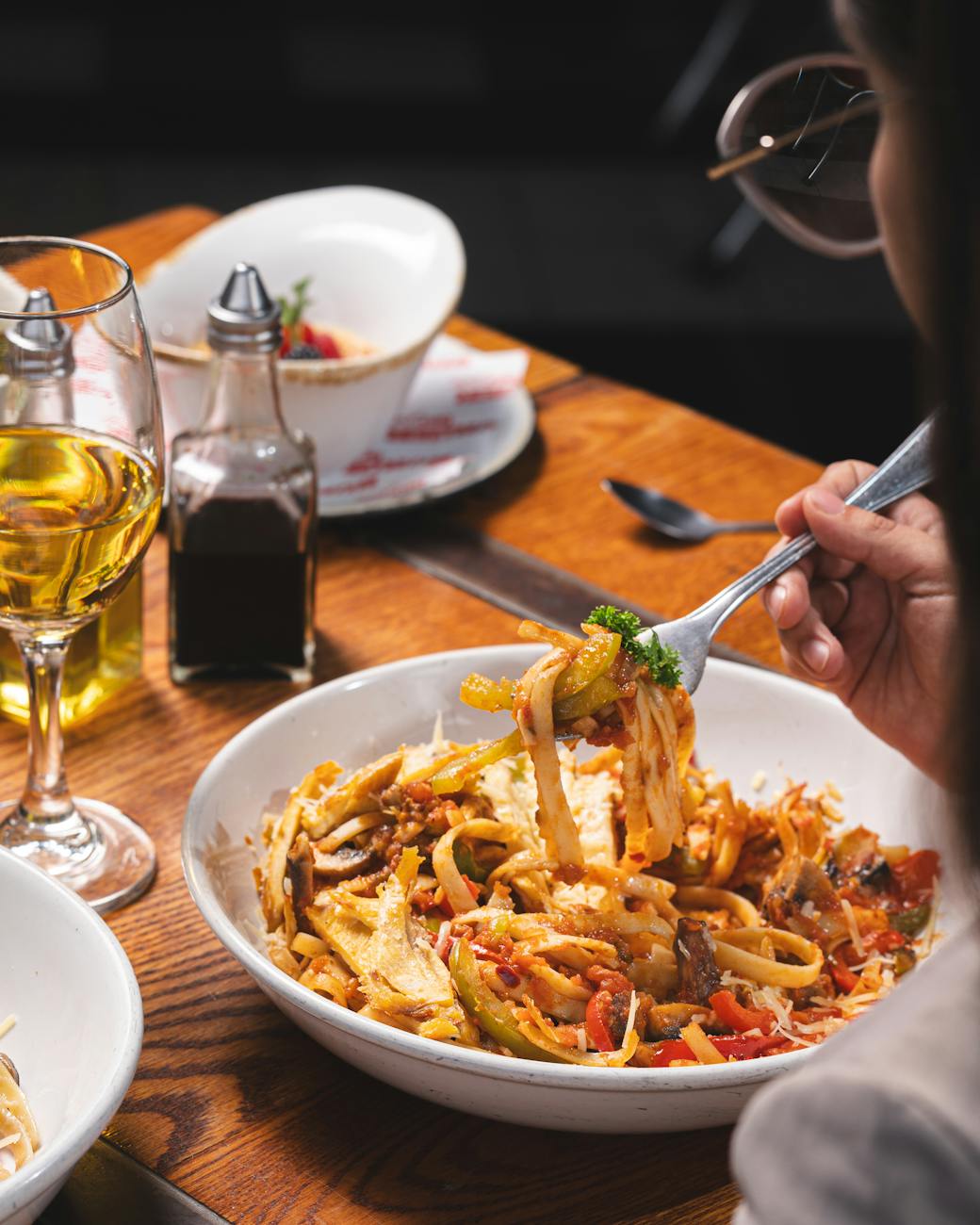
Italian cuisine is one of the most beloved in the world, but not every restaurant that claims to be “authentic” truly reflects traditional Italian dining culture. Genuine Italian restaurants tend to focus on simplicity, high-quality ingredients, and regional traditions rather than heavy fusion or overcomplicated menus. Spotting the difference can help you enjoy a more authentic experience.
True authenticity often shows up in subtle details, from the menu design to the way dishes are prepared and served.
The Menu Is Small and Seasonal
An authentic Italian restaurant typically avoids oversized menus. Instead, it focuses on a smaller selection of dishes that reflect seasonal ingredients.
This approach ensures freshness and quality rather than variety for its own sake. Menus often change depending on what ingredients are available locally or imported from Italy.
Olive oil Is Treated as a Star Ingredient
In real Italian cuisine, Olive oil is not just a cooking fat but a finishing touch. It is often drizzled over dishes right before serving to enhance flavor.
High-quality olive oil is usually emphasized, sometimes even listed by region or producer. This attention to detail reflects traditional Italian cooking values.
Pasta Is Cooked “Al Dente”
Authentic Italian restaurants serve pasta that is firm to the bite, known as “al dente.” This texture is considered essential in Italian cooking.
Overcooked pasta is typically a sign of adaptation to non-Italian preferences. Proper texture shows respect for traditional preparation methods.
No Overloaded Dishes or Excessive Sauce
Italian cuisine is built on balance rather than excess. Authentic dishes avoid drowning ingredients in heavy sauces or unnecessary toppings.
Instead, flavors are layered simply and intentionally. This allows each ingredient to stand out clearly.
Parmigiano-Reggiano Is Used Properly
Parmigiano-Reggiano is a staple in Italian cooking and is often grated fresh over pasta or risotto. Authentic restaurants typically use it sparingly and with purpose.
It is rarely pre-shredded or overly processed. The focus is on quality rather than quantity.
Bread Is Simple, Not Over-Processed
Italian restaurants often serve rustic bread rather than heavily enriched or sweetened versions. The bread is typically meant to accompany meals, not overshadow them.
It is often served without butter, emphasizing olive oil instead. This reflects traditional dining customs in Italy.
Staff Understand Regional Differences
Italy has diverse regional cuisines, and authentic restaurants often highlight this. Staff who understand the differences between northern and southern Italian dishes are a strong sign of authenticity.
You may hear explanations about regional origins of specific recipes. This shows respect for culinary tradition rather than a generic “Italian” label.
Coffee Is Served After Meals, Not Throughout
In traditional Italian dining culture, coffee—especially espresso—is typically enjoyed after a meal. It is not usually served alongside dessert or throughout dining.
This reflects a structured approach to eating and digestion. It is a small but important cultural detail.
Signs of Authentic Italian Dining at a Glance
Authentic Italian restaurants often share several consistent traits. These details help distinguish them from heavily Americanized or fusion-style establishments.
Key indicators include:
- Small, seasonal menus focused on quality
- High-quality olive oil used as a finishing ingredient
- Pasta served al dente
- Simple dishes without excessive sauces
- Proper use of Parmigiano-Reggiano
- Rustic, uncomplicated bread service
- Knowledge of regional Italian cuisine
- Espresso served after meals
These elements reflect tradition rather than trend. Together, they create a more genuine dining experience.
Conclusion
Authentic Italian restaurants are defined less by decoration and more by attention to culinary detail. From ingredient quality to preparation style, each element reflects long-standing traditions.
By recognizing these signs, diners can better identify restaurants that stay true to Italian cooking culture. Authenticity is often found in simplicity, balance, and respect for tradition.



Leave a Reply