
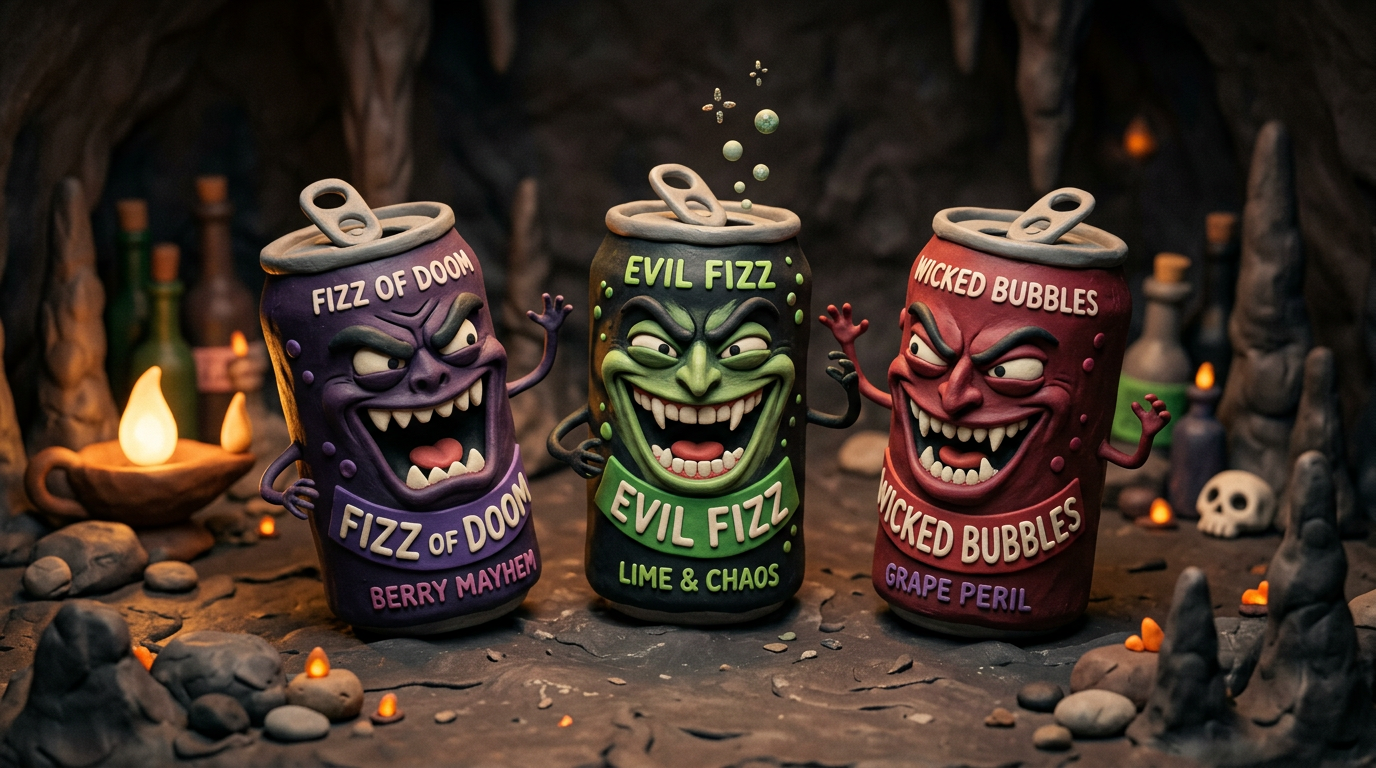
Sparkling water is often marketed as a healthier alternative to soda, but not all options are created equal. Some varieties include added sugars, artificial sweeteners, or high sodium levels that can make them less beneficial than expected. While they may seem like a better choice on the surface, certain products blur the line between soda and flavored water.
Understanding what’s in your drink is key to making smarter choices.
LaCroix (select flavored perceptions)
LaCroix is widely known for its calorie-free sparkling water, but it has faced debates over natural flavor labeling. While it doesn’t contain sugar, concerns have been raised about how flavor compounds are defined.
For most people, it remains a better option than soda. However, the discussion highlights how “natural flavors” can still be ambiguous to consumers.
Sparkling Ice
Sparkling Ice is often mistaken for plain sparkling water, but it contains artificial sweeteners and added vitamins. Its bright flavors and sweetness can make it taste more like soda.
Some consumers prefer to limit artificial sweeteners in their diet. This can make it less appealing as a “healthier” alternative.
Perrier (flavored varieties)
Perrier flavored options can include added ingredients beyond simple carbonated water. While generally low in calories, certain versions contain flavor additives that some people try to avoid.
The concern isn’t necessarily immediate harm but overall dietary habits. Even small additions can change how “clean” a beverage really is.
Schweppes Sparkling Drinks
Schweppes produces sparkling beverages that often resemble soda more than water. Many varieties include sugar or high-fructose corn syrup.
These drinks can have calorie counts similar to traditional sodas. This makes them a less ideal substitute despite their branding.
Topo Chico (mineral content concerns)
Topo Chico is popular for its crisp taste and mineral content. However, discussions have emerged about trace elements like PFAS found in some bottled waters.
While levels are typically regulated, these concerns have raised awareness among consumers. It shows that even simple products can face scrutiny.
What Makes Some Sparkling Waters Less Healthy
Not all sparkling waters are problematic, but certain ingredients can reduce their benefits. The difference often comes down to what’s added beyond carbonation.
Watch for:
- Added sugars or syrups
- Artificial sweeteners
- High sodium levels
- Unclear “natural flavor” labeling
- Trace contaminants in some bottled sources
These factors can turn a simple drink into something closer to soda. Reading labels is essential.
How to Choose a Better Option
If you enjoy sparkling water, there are still plenty of ways to make a healthier choice. The key is to keep things as simple as possible.
Look for:
- Plain carbonated water with no additives
- Short ingredient lists
- No added sugars or sweeteners
- Transparent labeling
- Brands with strong quality testing standards
These guidelines help you avoid unnecessary extras. Simplicity often equals a better option.
Conclusion
Sparkling water can be a great alternative to soda, but not every bottle lives up to that reputation. Some varieties include ingredients that reduce their health appeal or make them comparable to sugary drinks.
By understanding labels and choosing wisely, you can enjoy the benefits of carbonation without the downsides. A little attention goes a long way toward better hydration habits.



Leave a Reply