
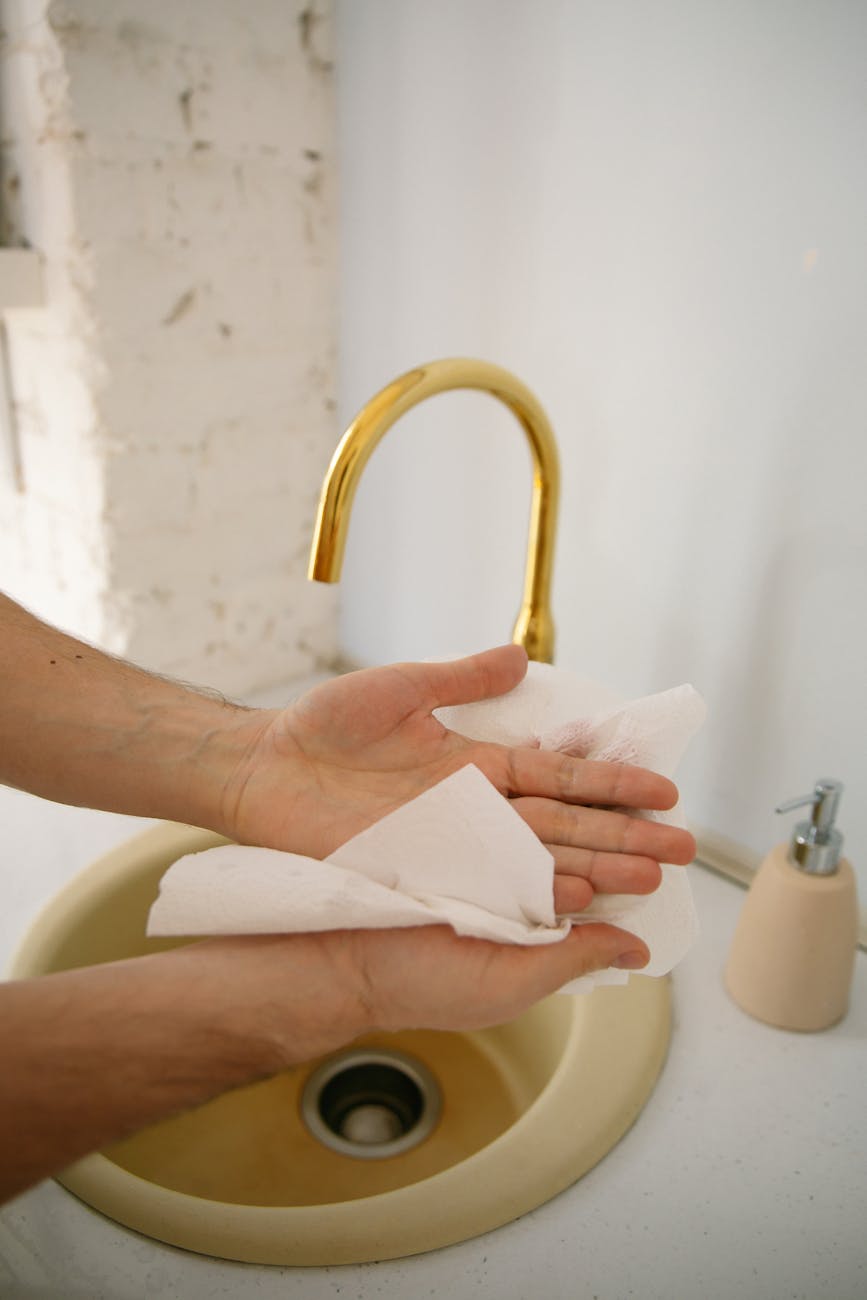
Paper towels are a staple in most households, used for everything from cleaning spills to wiping surfaces. However, recent scrutiny has revealed that some popular brands may contain potentially harmful chemicals.
These concerns have led to increased product testing and, in some cases, recalls or voluntary withdrawals. Consumers are now paying closer attention to what goes into everyday paper products.
Bounty Select-A-Size and Chemical Residue Worries
Bounty Select-A-Size paper towels have faced criticism over possible traces of chemical residues linked to manufacturing processes. Some watchdog groups flagged concerns about bleach byproducts and binding agents.
While not officially recalled nationwide, certain batches were reportedly pulled from shelves by retailers exercising caution. This raised broader questions about transparency in paper product production.
Viva Signature Cloth and Formaldehyde Concerns
Viva Signature Cloth paper towels have been examined for potential formaldehyde content, a chemical sometimes used in processing fibers. Formaldehyde exposure, even in small amounts, can be irritating to sensitive individuals.
Retailers in select regions temporarily removed inventory pending further testing. Though manufacturers maintained safety compliance, the incident fueled consumer skepticism.
Sparkle Paper Towels and Recycled Fiber Risks
Sparkle paper towels, known for affordability, have been scrutinized due to their use of recycled materials. While eco-friendly in theory, recycled fibers can sometimes introduce trace contaminants.
Potential risks identified include:
- Residual inks from printed materials
- Heavy metals from recycled sources
- Chemical solvents used during processing
These findings prompted limited product withdrawals while quality controls were reviewed.
Seventh Generation Paper Towels and PFAS Detection
Seventh Generation, a brand marketed as environmentally conscious, faced backlash after independent testing suggested the presence of PFAS (per- and polyfluoroalkyl substances). These “forever chemicals” are associated with long-term environmental and health concerns.
Although levels detected were low, some retailers removed specific lots from shelves. The company responded by reaffirming its commitment to safer formulations and ongoing testing.
Scott Paper Towels and Bleaching Byproducts
Scott paper towels have also come under scrutiny for the potential presence of dioxins, which can form during chlorine bleaching. These compounds are considered harmful in higher concentrations.
While regulatory agencies have not issued formal recalls, certain distributors opted to halt sales temporarily. This reflects a growing trend of precautionary action in the retail space.
Store Brand Paper Towels and Inconsistent Standards
Generic or store-brand paper towels have shown inconsistent results in quality testing. Some products were flagged for containing higher-than-expected levels of processing chemicals.
Due to variability in sourcing and manufacturing, several store chains quietly removed affected inventory. This highlights the importance of stricter oversight across all price tiers.
What Consumers Should Watch For
With increasing awareness, shoppers are becoming more selective about the paper products they purchase. Labels and certifications now play a bigger role in decision-making.
Look for:
- Unbleached or chlorine-free labeling
- Certifications from environmental organizations
- Transparency about sourcing and materials
Making informed choices can reduce potential exposure to unwanted chemicals.
The Future of Safer Paper Products
The paper goods industry is gradually shifting toward safer and more sustainable practices. Increased testing, consumer advocacy, and regulatory pressure are driving change.
As brands respond to these concerns, shoppers can expect improved formulations and clearer labeling. Until then, staying informed remains the best defense against hidden risks.



Leave a Reply