
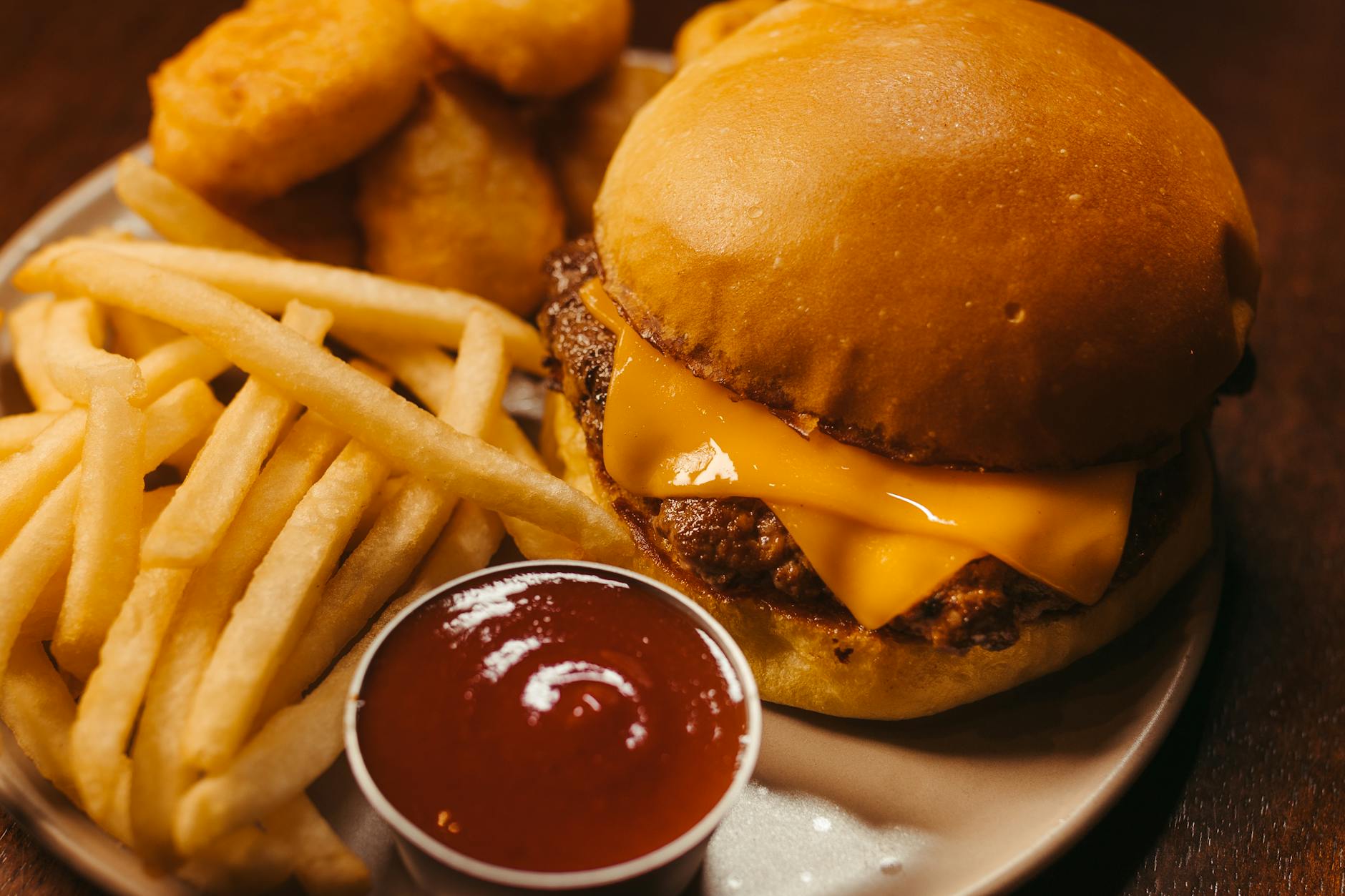
The fast food industry has always been competitive, but 2026 is shaping up to be especially challenging. Rising ingredient costs, labor shortages, and shifting consumer preferences are putting pressure on even well-known chains.
While bankruptcy predictions are speculative, some brands show warning signs like declining sales, store closures, or outdated business models. These indicators can help identify which chains may face the toughest road ahead.
Subway
Subway remains one of the largest fast food chains in the world, but its footprint has been shrinking. Thousands of locations have closed over the past decade as franchisees struggle with profitability.
The brand has attempted rebranding and menu updates to stay relevant. However, competition from newer sandwich chains continues to erode its market share.
Franchise-heavy models can create uneven quality and performance. This makes consistent recovery more difficult.
Burger King
Burger King is still a major global brand, but it has faced operational challenges in several markets. Store closures and franchise issues have raised concerns about long-term stability.
The company has invested heavily in remodeling and marketing campaigns. These efforts aim to improve customer experience and drive traffic.
Despite these changes, competition in the burger segment remains intense. Maintaining momentum will be key to avoiding further decline.
Jack in the Box
Jack in the Box operates primarily in specific regions, which can limit growth opportunities. Regional chains often face higher risk during economic downturns.
The brand has experimented with menu innovation, but results have been mixed. Rising costs have also impacted margins.
Expansion into new markets carries financial risk. Without strong performance, growth strategies can backfire.
Quiznos
Quiznos has already experienced significant decline from its peak popularity. Once a major competitor in the sandwich space, it now has a much smaller presence.
Past financial struggles and franchise issues have contributed to its reduced footprint. The brand has attempted comebacks, but with limited success.
Rebuilding consumer trust is difficult after long-term decline. This keeps the chain in a vulnerable position.
Del Taco
Del Taco operates in a competitive segment dominated by larger brands. While it has a loyal following, expansion has been relatively slow.
The chain must balance pricing with rising ingredient costs. This is especially challenging in the value-driven fast food market.
Competition from both national and regional players adds pressure. Sustaining growth in this environment is not easy.
Church’s Chicken
Church’s Chicken has faced declining visibility compared to competitors in the fried chicken space. Larger chains have invested heavily in branding and expansion.
The company has attempted to modernize stores and menus. However, catching up to competitors requires significant investment.
Without strong differentiation, it risks losing further market share. This can impact long-term financial stability.
Key Challenges Facing Fast Food Chains
Several industry-wide issues are contributing to financial uncertainty:
- Rising food and supply chain costs
- Labor shortages and higher wages
- Increased competition from fast-casual brands
- Changing consumer preferences toward healthier options
These challenges force chains to adapt quickly. Those that fail to evolve may struggle to remain competitive.
Conclusion
The fast food industry is not disappearing, but it is undergoing rapid transformation. Brands that cannot adapt to rising costs and changing consumer expectations face increased risk.
While none of these chains are guaranteed to go bankrupt, they represent companies under significant pressure in 2026. Long-term survival will depend on innovation, efficiency, and strong brand identity.




Leave a Reply