
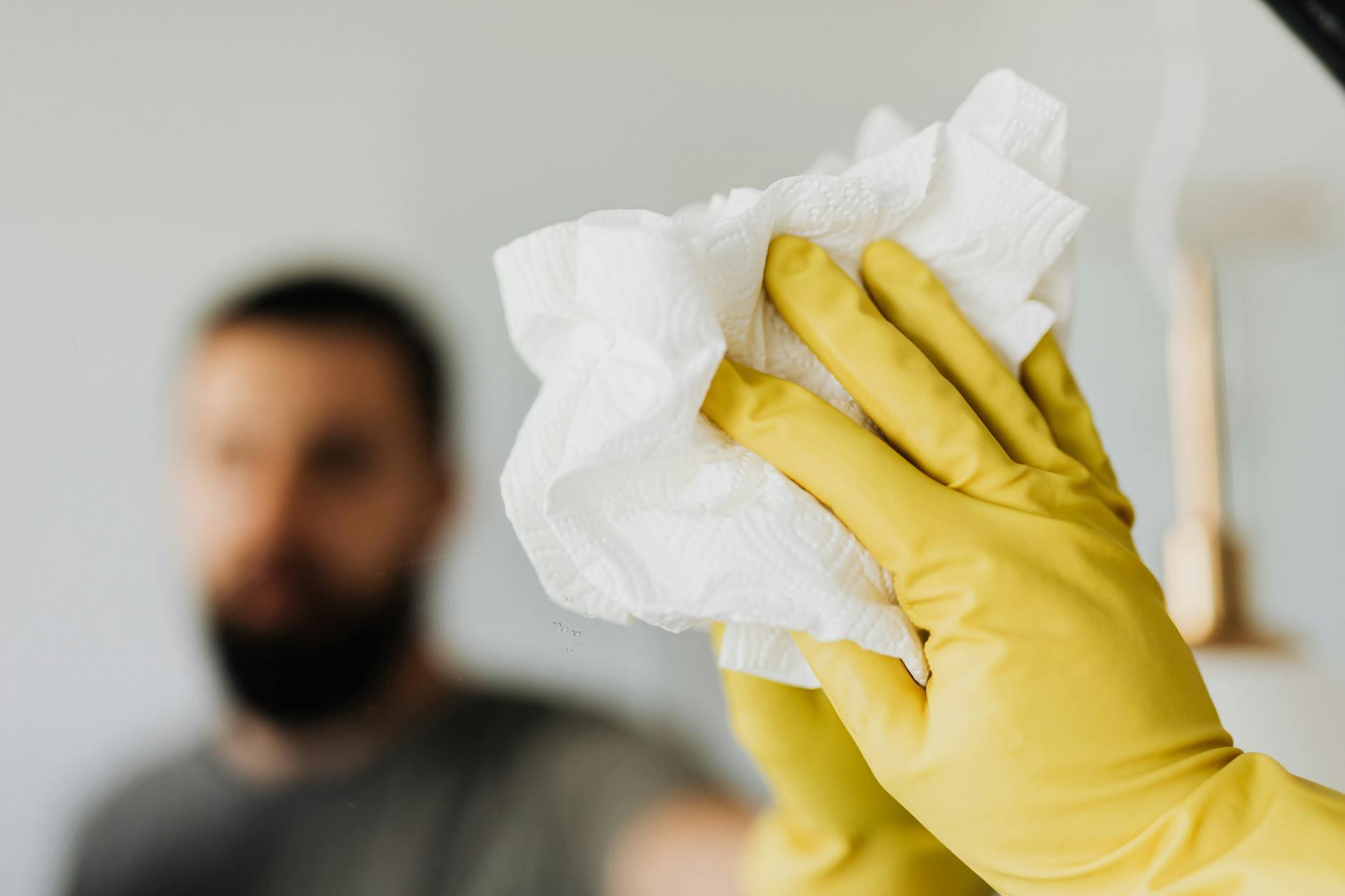
Paper towels are a household essential, used for everything from cleaning spills to drying hands. Many brands offer versions with colorful prints and patterns, designed to look more appealing on your kitchen counter. However, these decorative touches may come with downsides that make them less practical—and potentially less safe—than plain alternatives.
While they may seem harmless, printed paper towels introduce extra variables that can affect performance, cost, and even hygiene. Here are five reasons you may want to skip the colored designs.
Added Dyes and Chemicals
Printed paper towels require dyes and inks to create their patterns. These substances are not always necessary for functionality and may introduce additional chemicals into a product that often comes into contact with food and surfaces.
When used to blot greasy foods or cover dishes, there’s a chance that small amounts of dye could transfer. While regulated, minimizing unnecessary exposure is generally a safer approach.
Choosing plain, unbleached paper towels reduces the number of additives involved. This keeps the product closer to its intended purpose without extra processing.
Lower Absorbency in Printed Areas
The areas covered in ink may not absorb liquids as efficiently as unprinted sections. This is because the printing process can create a slight barrier that interferes with the towel’s ability to soak up moisture.
In real-world use, this can mean needing more sheets to clean the same spill. Over time, this reduces overall efficiency and increases waste.
Plain paper towels typically provide more consistent absorbency across the entire sheet. This makes them a more reliable option for everyday cleaning tasks.
Higher Cost for Aesthetic Appeal
Printed paper towels are often priced higher than their plain counterparts. The added manufacturing steps and visual appeal contribute to the markup.
Despite the higher price, the core functionality remains largely the same—or sometimes worse. You’re essentially paying extra for a decorative feature that doesn’t improve performance.
For budget-conscious shoppers, this can add up quickly. Sticking with basic options can save money without sacrificing effectiveness.
Potential for Color Transfer
When exposed to moisture, heat, or friction, printed dyes may bleed or transfer. This can be especially noticeable when using paper towels with hot foods or liquids.
Color transfer can stain surfaces, fabrics, or even food in some cases. While not always harmful, it’s an unnecessary risk for a product meant to clean and protect.
Avoiding printed designs eliminates this concern entirely. It ensures that what you’re using remains neutral and predictable.
Environmental Impact of Extra Processing
Adding prints to paper towels requires additional resources, including dyes, water, and energy. This increases the overall environmental footprint of the product.
For those trying to reduce waste or choose more sustainable options, these extra steps may be worth considering. Simpler products often have a lower impact.
Common drawbacks of printed paper towels include:
- Extra chemicals from dyes and inks
- Reduced absorbency in certain areas
- Higher cost without added function
- Risk of color bleeding or staining
Opting for plain, recycled, or unbleached varieties can be a more environmentally friendly choice.
Conclusion
Printed paper towels may look appealing, but they often fall short when it comes to practicality and value. From added chemicals to reduced performance, the downsides can outweigh the visual benefits.
Choosing simple, high-quality paper towels ensures better absorbency, lower cost, and fewer unnecessary additives. Sometimes, the most basic option is also the smartest one.



Leave a Reply