

Healthy foods are often praised for their individual benefits, but combining certain ingredients can sometimes create unexpected effects. While most food pairings are perfectly safe, a few combinations may interfere with digestion, reduce nutrient absorption, or even produce harmful compounds under specific conditions. Understanding these interactions can help you make smarter dietary choices.
It’s important to note that “toxic” doesn’t always mean immediately dangerous—it can also refer to combinations that stress your body over time. Here are five food pairings that are commonly flagged for potential issues when consumed together.
Spinach and High-Calcium Foods
Spinach is rich in nutrients, including iron and oxalates. However, when combined with high-calcium foods like milk or cheese, those oxalates can bind to calcium and form compounds that are harder for the body to process.
This interaction may contribute to the formation of kidney stones in susceptible individuals. It can also reduce the absorption of both calcium and iron, limiting the benefits of each food.
While occasional pairing is unlikely to cause harm, frequent consumption in large amounts may increase risk. Spacing these foods apart can help improve nutrient absorption.
Citrus Fruits and Certain Medications
Citrus fruits like grapefruit are packed with vitamin C, but they can interact negatively with certain medications. Compounds in grapefruit can interfere with enzymes responsible for breaking down drugs in the body.
This can lead to higher-than-expected levels of medication in the bloodstream. In some cases, this increases the risk of side effects or toxicity.
The issue isn’t the fruit alone, but the combination. Anyone on prescription medication should check for known food interactions before consuming citrus regularly.
Protein and Starchy Carbs
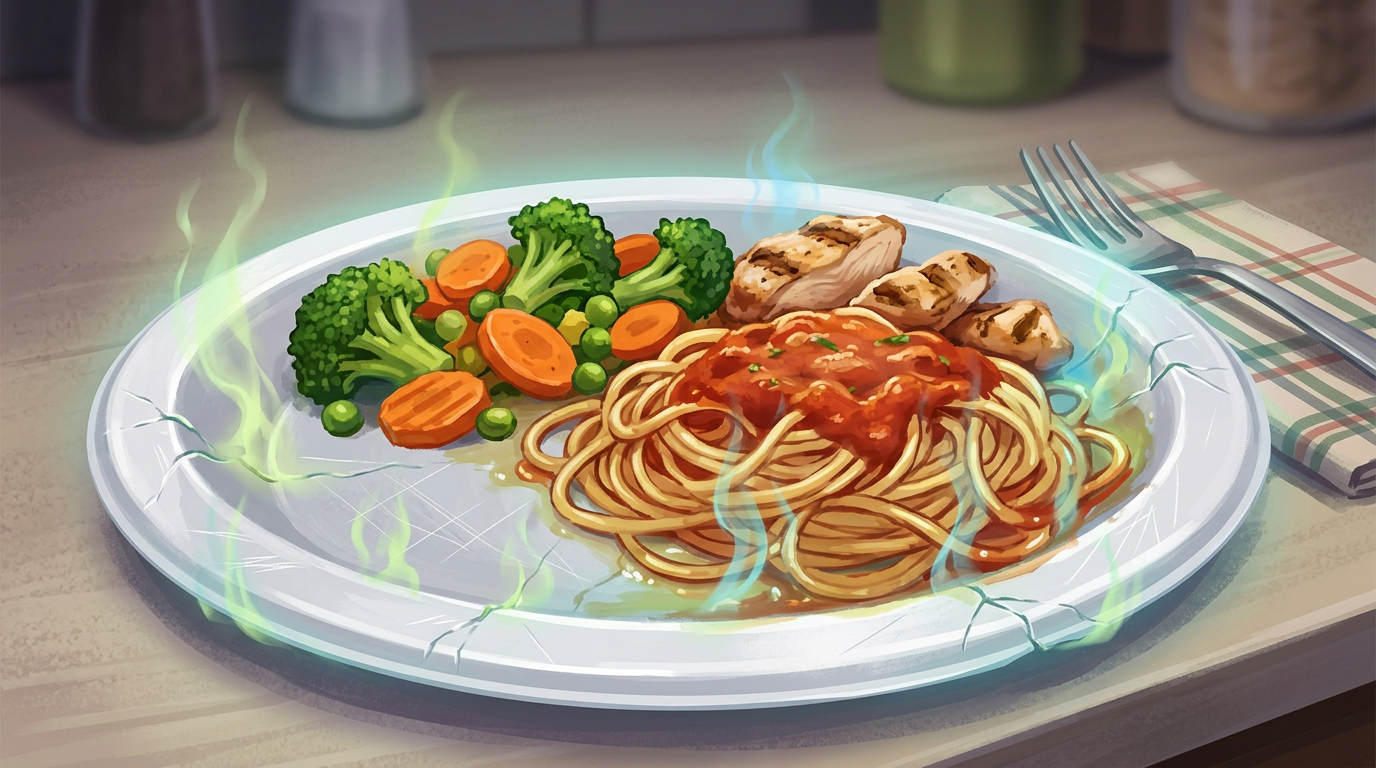
Combining heavy proteins with large amounts of starchy carbohydrates is a common meal pattern. However, some digestion theories suggest this pairing can slow down the digestive process.
Proteins and carbs require different enzymes and digestion times. When eaten together in large quantities, this may lead to bloating or discomfort for some individuals.
Although not universally harmful, sensitive digestive systems may struggle with this combination. Adjusting portion sizes or meal composition can help reduce issues.
Alcohol and Energy Drinks
Alcohol and energy drinks are both widely consumed, but mixing them can create a risky combination. The stimulant effects of caffeine can mask the depressant effects of alcohol.
This may lead individuals to underestimate how intoxicated they are. As a result, people may drink more than they normally would, increasing the risk of alcohol-related harm.
This combination doesn’t create a toxin in the traditional sense, but it can lead to dangerous outcomes. Awareness is key when consuming these together.
Honey and Hot Foods
Honey is often added to tea or warm dishes, but exposing it to very high heat can alter its chemical composition. Some sources suggest that overheating honey may produce undesirable compounds.
While research is limited, excessive heat can degrade beneficial enzymes and nutrients in honey. This reduces its health value and may introduce unwanted byproducts.
To preserve its benefits, it’s best to add honey to foods after they’ve cooled slightly. This simple step helps maintain its natural properties.
Common signs that a food combination may not be working well for you include:
- Bloating or digestive discomfort after meals
- Unusual fatigue or sluggishness
- Reduced effectiveness of medications
- Recurring issues tied to specific meal pairings
Conclusion
Even healthy foods can have unexpected effects when combined in certain ways. While most combinations are safe, a few may interfere with digestion, nutrient absorption, or overall well-being.
Paying attention to how your body responds to different pairings can make a big difference. Small adjustments in how you combine foods can help you get the most benefit from a healthy diet.



Leave a Reply