
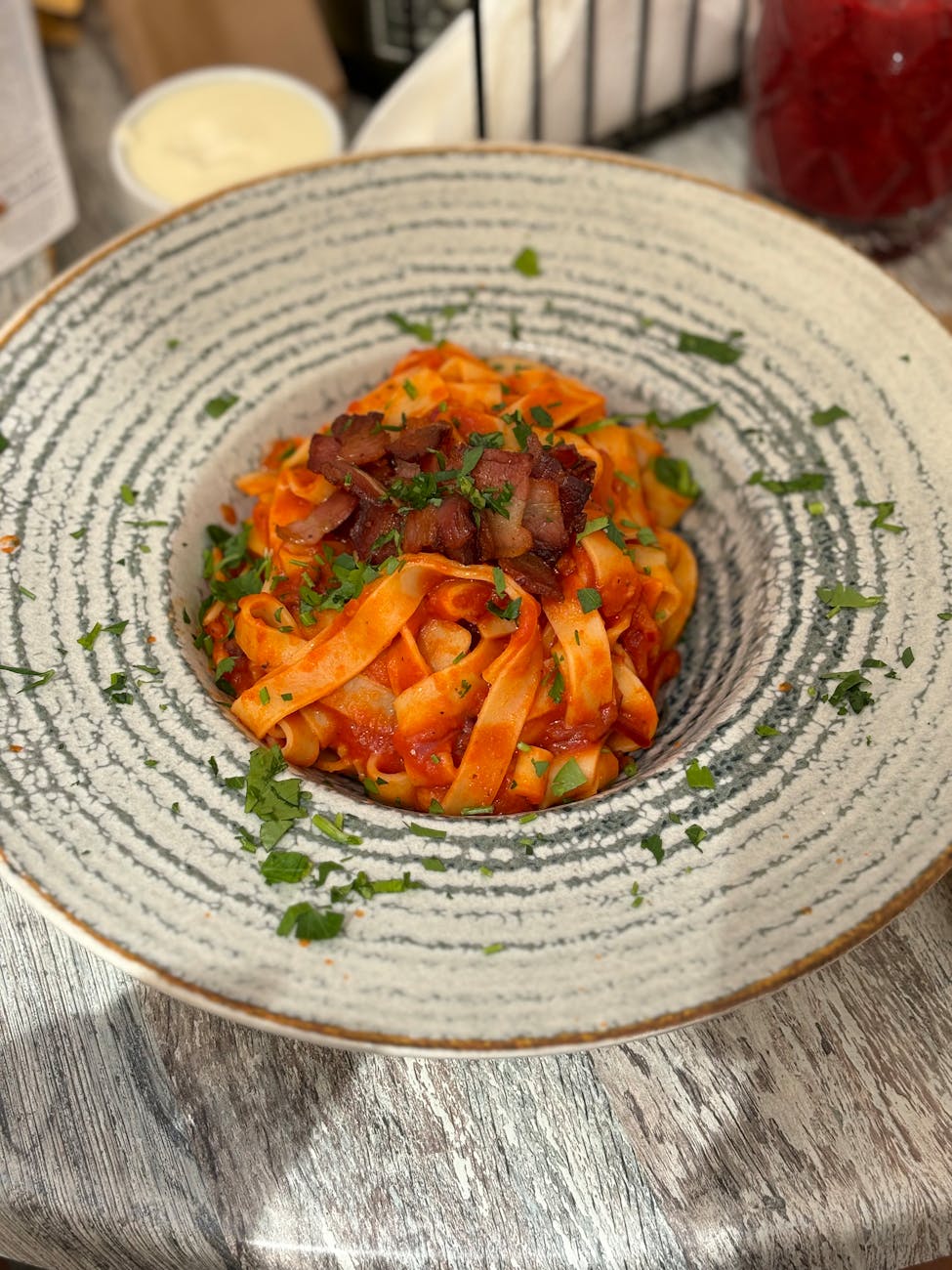
Grocery store pasta aisles are packed with premium labels promising authentic flavor, superior ingredients, and restaurant-quality results. But in many cases, you’re paying more for branding than a meaningful upgrade in taste or nutrition. Knowing which pastas are overpriced—and what to buy instead—can save money without sacrificing quality.
Imported “Artisan” Dry Pasta
Imported pasta labeled as “artisan” or “bronze-cut” often comes with a steep price tag. While some of these products do offer slight texture improvements, the difference is rarely dramatic enough to justify the cost.
Many domestic brands now use similar production techniques at a fraction of the price. In blind taste tests, most people can’t distinguish between mid-range and premium imported options.
Instead, look for affordable brands that specify durum wheat semolina and slow drying methods. These give you similar texture and sauce adherence without the markup.
Organic Pasta with Minimal Differences
Organic pasta is often priced significantly higher, but the actual difference in quality can be negligible. In most cases, the ingredient list is nearly identical to conventional pasta: wheat and water.
Unless you specifically prioritize organic sourcing, you may not notice any difference in taste or performance. The nutritional profile is also nearly the same.
A better option is choosing a trusted standard brand and focusing your budget on higher-quality sauces or fresh ingredients. That’s where you’ll see a bigger impact on flavor.
Flavored or Colored Pasta
Pasta infused with spinach, tomato, or squid ink can look appealing, but the flavor boost is often minimal. These varieties are typically priced higher due to their novelty rather than any real culinary advantage.
In many cases, the added ingredients are present in such small amounts that they don’t meaningfully affect taste or nutrition. You’re essentially paying for aesthetics.
Instead, stick with plain pasta and add fresh vegetables or sauces to achieve richer flavor. This approach gives you more control and better value overall.
Pre-Packaged Fresh Pasta
Fresh pasta in refrigerated sections often costs several times more than dry pasta. While it can have a softer texture, many grocery store versions lack the quality of truly handmade pasta.
They also have a shorter shelf life, increasing the risk of waste. For everyday meals, the difference in taste may not justify the higher price.
A smarter alternative is high-quality dry pasta, which offers excellent texture when cooked properly. If you want fresh, consider making it at home for a fraction of the cost.
Gluten-Free Specialty Pasta
Gluten-free pasta is essential for those with dietary restrictions, but some premium versions are heavily overpriced. Many use similar blends of rice, corn, or quinoa flour regardless of brand.
Texture and taste can vary, but higher price doesn’t always mean better quality. Some budget-friendly options perform just as well in cooking and flavor.
When shopping, focus on reviews and ingredient simplicity rather than branding. Reliable gluten-free pasta doesn’t have to come with a premium price.
Key signs a pasta may not be worth the cost include:
- Minimal ingredient differences compared to cheaper options
- Marketing-heavy packaging with vague quality claims
- No noticeable improvement in texture or taste
- Higher price driven by novelty rather than substance
Conclusion
Paying more for pasta doesn’t always guarantee a better meal. Many overpriced options rely on branding, trends, or visual appeal rather than meaningful improvements in quality.
By focusing on simple ingredients and proven performance, you can find affordable pastas that deliver excellent results. Smart shopping choices make it easy to enjoy great pasta without overspending.



Leave a Reply