
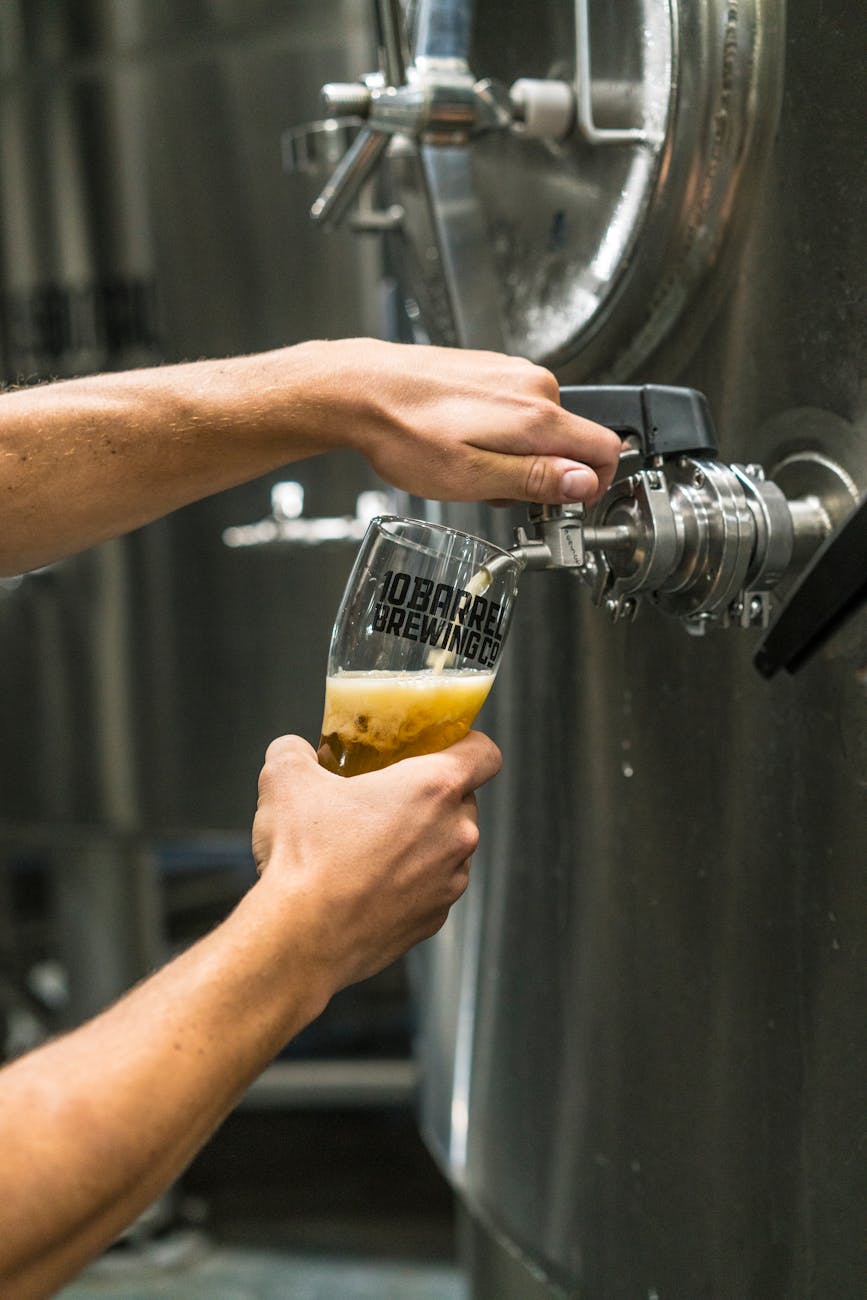
The idea of breweries holding Michelin stars sounds appealing, especially given how much modern dining overlaps with craft beer culture. However, it’s important to clarify that Michelin stars are awarded to restaurants for exceptional cuisine, not breweries themselves as beer-producing operations.
What does exist, though, are brewery-adjacent restaurants and brewpubs that have appeared in the Michelin Guide or operate at a level of culinary excellence comparable to starred establishments. In some cases, these venues combine serious beer programs with high-end kitchens, creating a hybrid dining experience worth highlighting.
Blue Hill at Stone Barns (with Farm Brewery Pairings Influence)
While not a traditional brewery, Blue Hill at Stone Barns in New York is a Michelin-starred restaurant known for its farm-driven tasting menus and beverage pairings that often include craft beer selections. The focus here is on hyper-local ingredients, with drinks curated to match seasonal dishes.
Beer pairings are treated with the same seriousness as wine, often featuring small regional producers. This elevates the overall experience into something that beer enthusiasts can appreciate at a fine-dining level.
The restaurant’s approach shows how beer can exist comfortably within Michelin-starred dining. It is less about brewing on-site and more about how beer is integrated into elite cuisine.
The Fat Duck (Beer Pairing Innovation)
The Fat Duck is a three-Michelin-star restaurant known for its experimental approach to fine dining. While not a brewery, it has famously incorporated beer into creative tasting menus and sensory dining experiences.
Chef Heston Blumenthal has used beer as part of multi-course storytelling dishes that emphasize aroma, memory, and texture. These pairings often highlight craft and traditional brews in unexpected ways.
The restaurant demonstrates how beer can be elevated far beyond casual consumption. It becomes part of a theatrical culinary experience rather than a standalone product.
Frantzén (Beer in Nordic Fine Dining)
Frantzén is a three-Michelin-star restaurant that blends Nordic ingredients with global techniques, occasionally incorporating craft beer into its beverage program. While wine dominates, beer pairings are thoughtfully selected for specific dishes.
The kitchen emphasizes precision and balance, which extends into its drink offerings. Small-batch Scandinavian beers are sometimes used to complement rich, fermented, or smoked flavors.
This approach highlights how beer can fit into ultra-high-end dining without being the central focus. Instead, it enhances the overall culinary structure.
Atomix (Modern Pairing Culture)
Atomix is a two-Michelin-star restaurant in New York known for its modern Korean tasting menus and highly curated beverage pairings. While wine is prominent, select craft beer elements occasionally appear in pairing experiences.
The restaurant focuses on storytelling through food, and beverages are chosen to match flavor progression rather than tradition. This opens the door for craft beer to appear in unexpected but intentional ways.
Atomix demonstrates how contemporary Michelin-starred dining can incorporate beer without being defined by it. The result is a refined, evolving approach to beverage pairing.
Mugaritz (Experimental Culinary Pairings)
Mugaritz is a two-Michelin-star restaurant known for pushing the boundaries of food science and sensory experience. Beer occasionally appears in its experimental beverage pairings depending on the seasonal menu.
Rather than focusing on traditional drinks, the restaurant explores fermentation, bitterness, and texture in unconventional ways. This makes beer a natural fit within certain conceptual dishes.
The experience is designed to challenge expectations, including how guests think about drinks alongside food. Beer becomes part of a broader artistic exploration.
Conclusion
While no breweries themselves hold Michelin stars, many Michelin-starred restaurants incorporate craft beer into elevated dining experiences. These venues show how beer can be reimagined as part of fine cuisine rather than casual drinking culture.
From experimental tasting menus to carefully curated pairings, beer continues to find its place in high-end gastronomy. The result is a growing overlap between craft brewing culture and world-class dining innovation.

Leave a Reply