
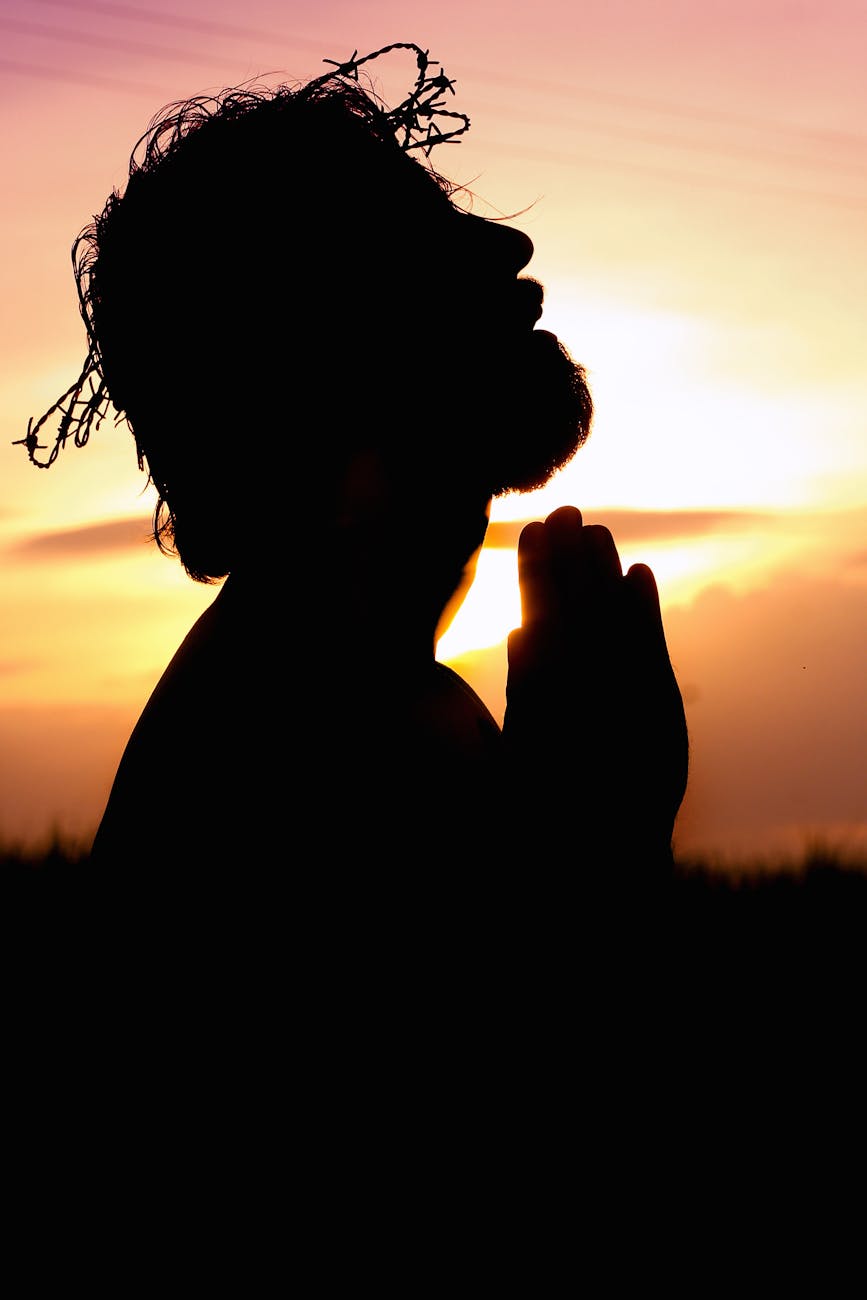
Christianity has influenced holidays around the world for centuries, but not every Christian celebration practiced globally has made its way to the United States. Some of these holidays reflect local traditions, historical events, or regional religious practices, offering a glimpse into how Christianity is celebrated differently across cultures.
Epiphany: Celebrating the Magi
Epiphany, also known as Three Kings’ Day, is widely celebrated in countries like Spain, Mexico, and Italy.
It marks the visit of the Magi to the baby Jesus and often involves parades, gift-giving, and special pastries like Spain’s “Roscón de Reyes.” While January 6th is noted on calendars in the U.S., it isn’t widely observed as a public holiday.
All Saints’ Day: Honoring the Departed
All Saints’ Day, celebrated on November 1st in many European countries, honors all saints and martyrs.
In countries like France, Poland, and the Philippines, families visit cemeteries, light candles, and attend special church services. In the U.S., the focus tends to remain on Halloween or All Souls’ Day rather than this formal celebration.
Laetare Sunday: A Mid-Lent Celebration
Laetare Sunday occurs roughly halfway through Lent and is celebrated in parts of Europe.
Churches often mark the day with lighter festivities and flowers to provide relief from the solemnity of the Lenten season. The U.S. observes Lent, but Laetare Sunday is largely unknown and rarely celebrated.
Assumption of Mary: Honoring the Virgin Mary
August 15th marks the Assumption of Mary, celebrated in countries like Italy, Spain, and many parts of Latin America.
Catholics believe Mary was taken into heaven, body and soul, and attend masses and processions in her honor. In the U.S., this day is observed only as a religious feast and is not a public holiday.
Saint Nicholas Day: The Original Santa
In countries such as Germany, the Netherlands, and Belgium, Saint Nicholas Day is celebrated on December 6th.
Children leave shoes out for small gifts or candy, a tradition that predates and differs from the American Santa Claus celebration on Christmas. The U.S. has incorporated aspects of the legend but does not observe the actual holiday.
Other Unique Observances
Several other Christian holidays exist outside the U.S., often with strong local customs:
- Candlemas – Celebrated on February 2nd, marking Jesus’ presentation at the temple
- Whit Monday – The day after Pentecost, a public holiday in many European countries
- Fête-Dieu – Known as Corpus Christi in parts of Europe, featuring processions and elaborate decorations
Why the U.S. Misses Out
The U.S. has a unique cultural landscape where federal holidays and widespread traditions focus on major Christian events like Christmas and Easter.
Other celebrations may be observed in small communities or by immigrant groups but lack nationwide recognition. Historical patterns of settlement and secularization also influence which holidays gain prominence.
Final Thoughts
Exploring Christian holidays abroad reveals the richness and diversity of religious traditions.
From Epiphany in Spain to Saint Nicholas Day in Germany, these celebrations offer insight into local culture and religious devotion. While they may not be widely recognized in the U.S., they provide fascinating examples of how Christian faith and cultural expression intertwine around the world.




Leave a Reply