
Food marketing can make or break a product, and sometimes a poorly chosen name is all it takes to doom an otherwise decent item. Over the years, several foods have failed not because of taste or quality, but because their names confused, amused, or outright repelled consumers. These unfortunately named foods prove that branding matters just as much as flavor when it comes to success.
Spotted Dick: A Name That Distracts
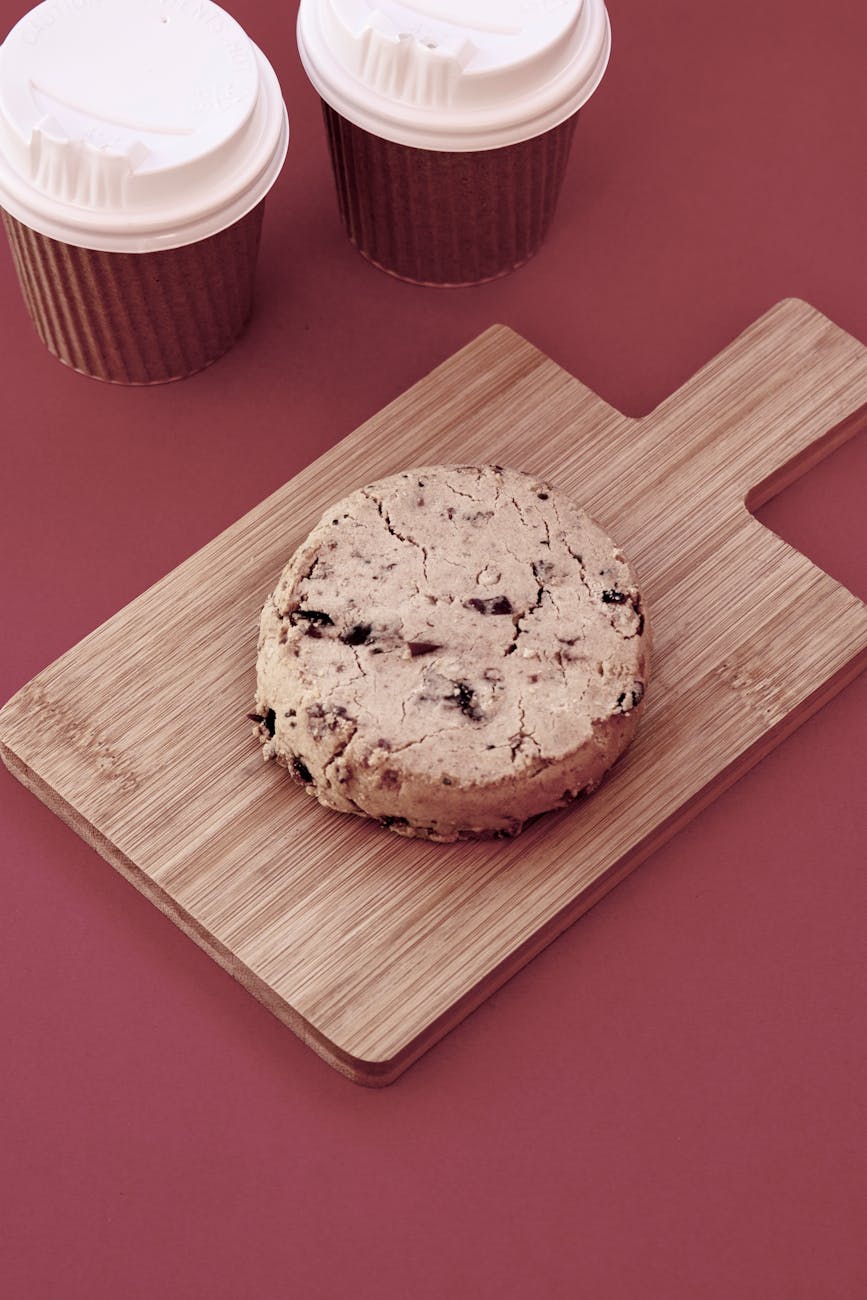
This traditional British pudding is made with suet and dried fruit, and it’s actually quite beloved in the UK.
However, the name tends to cause laughter or confusion among American audiences. Despite its long history, the unfortunate wording has made it difficult to market internationally, especially in more modern or casual dining settings.
Head Cheese: Not What It Sounds Like
Head cheese isn’t cheese at all—it’s a type of meat jelly made from parts of a pig’s head.
While it has roots in European cuisine, the name alone is enough to turn many people away. The combination of “head” and “cheese” creates an unappetizing image that overshadows its actual taste.
Creamed Chipped Beef: A Military Nickname That Stuck
This classic dish, often served on toast, has a creamy, salty flavor that many enjoy.
Unfortunately, it’s widely known by a crude nickname (“S.O.S.”), which doesn’t help its reputation. Even without the nickname, the formal name lacks appeal and doesn’t do much to entice new diners.
Toad in the Hole: Confusing at Best
Despite its strange name, this dish is simply sausages baked in Yorkshire pudding batter.
Still, the phrase “toad in the hole” conjures up images that are far from appetizing. For those unfamiliar with British cuisine, the name alone can be enough to skip it entirely.
Scrapple: A Branding Miss
Scrapple is a regional favorite in parts of the United States, made from pork scraps and cornmeal.
While it can be delicious when fried, the name doesn’t do it any favors. “Scrapple” sounds like leftovers thrown together, which isn’t exactly a selling point for new customers.
Rocky Mountain Oysters: A Shock Factor
This dish is often served as a novelty item, especially in Western states.
The name might sound harmless at first, but once diners learn what it actually is, reactions tend to shift quickly. The disconnect between the name and the reality can make it a tough sell.
Other Foods That Struggled With Naming
Some foods never quite caught on, largely due to their unfortunate names:
- Blood Sausage – Accurate but off-putting for many
- Liver Mush – Sounds heavier than it tastes
- Hog’s Head Cheese – Even less appealing variation of head cheese
- Stargazy Pie – Fish heads staring upward don’t help presentation
- Jellied Eels – Texture and name combine for a tough sell
Why Names Matter in Food Marketing
Food names create the first impression, often before a customer ever sees the dish.
An unappealing or confusing name can prevent people from even trying something that might otherwise taste great. In many cases, rebranding or renaming could give these foods a second chance at popularity.
Final Thoughts
Unfortunately named foods highlight the importance of presentation beyond just the plate.
While many of these dishes have rich histories and loyal fans, their names often hold them back from wider acceptance. A better name might not change the recipe, but it could change how people perceive—and ultimately enjoy—the food.


Leave a Reply