
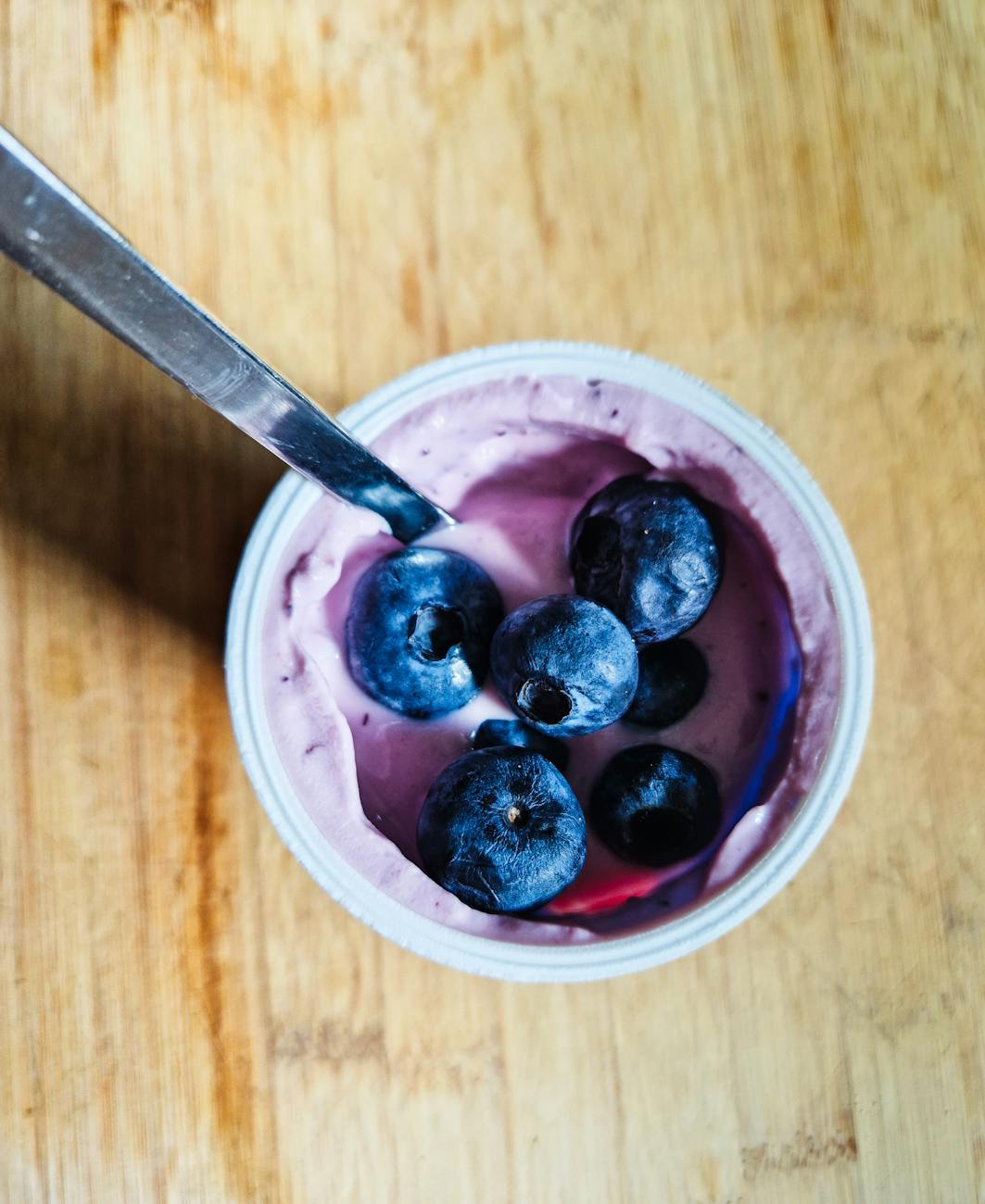
Yogurt is often marketed as a healthy, probiotic-rich food, but not every option on the shelf lives up to that reputation. Some products include additives, sweeteners, and processing agents that raise concerns among nutrition experts and consumers alike.
It’s important to be precise: most yogurts sold today meet safety standards. However, certain ingredients—especially when consumed frequently—can contribute to digestive discomfort or reduce the overall nutritional value.
Yoplait Original
Yoplait Original yogurt is widely available and known for its sweet, fruit-forward flavors. However, it often contains high levels of added sugar along with artificial flavors and colorings.
These additives can overshadow the natural benefits of yogurt. For some individuals, they may also contribute to digestive sensitivity.
The texture is smooth and appealing, but it relies on stabilizers and thickeners. This makes it less “natural” than simpler yogurt options.
Dannon Fruit on the Bottom
Dannon Fruit on the Bottom yogurt combines creamy yogurt with a sugary fruit layer. While popular, the fruit portion often contains syrups, preservatives, and added sugars.
This can significantly increase the calorie content without improving nutritional value. The sweetness can also mask the natural tang of yogurt.
For those watching sugar intake, this type of product may not be ideal. It’s more of a dessert-style yogurt than a health-focused one.
Activia Flavored Varieties
Activia is marketed for digestive health due to its probiotic content. However, many flavored versions include added sugars and artificial flavoring.
While the probiotics are beneficial, the added ingredients can reduce the overall health profile. This creates a mixed nutritional picture.
Some consumers also report sensitivity to certain additives. Choosing plain versions can help avoid these concerns.
Go-Gurt
Go-Gurt is designed as a convenient snack, especially for children. It often contains artificial colors, flavors, and added sugars to enhance appeal.
These ingredients can be problematic for those trying to avoid processed additives. The product prioritizes convenience and taste over simplicity.
While safe to eat, it’s far from a minimally processed yogurt. Parents often look for alternatives with cleaner ingredient lists.
Noosa
Noosa yogurt is known for its rich, creamy texture and indulgent flavors. However, it also tends to be higher in sugar compared to many other brands.
The sweetness contributes to its dessert-like appeal. But frequent consumption can add significant sugar to the diet.
Despite using quality dairy, the overall balance may not suit those seeking a lighter option. Portion control becomes important with this product.
Oui by Yoplait
Oui by Yoplait emphasizes a French-style preparation and glass jar packaging. While it offers a more traditional texture, many varieties still contain added sugars and flavorings.
The ingredient list is often shorter than some competitors, but sweetness remains a concern. This can shift it closer to a treat than a staple.
Its presentation is appealing, but the nutritional profile varies by flavor. Checking labels is essential before regular consumption.
Common Ingredients That Raise Concerns
Certain additives appear frequently in highly processed yogurts and may reduce their overall health value:
- High levels of added sugar or syrups
- Artificial colors and flavoring agents
- Stabilizers and thickening gums
- Preservatives used for shelf life
These ingredients are generally approved for use but can affect digestion or dietary goals. Simpler formulations are often preferred for regular consumption.
Conclusion
Yogurt can be a healthy addition to your diet, but not all products are created equally. Many popular brands include added sugars and processed ingredients that shift them away from their natural benefits.
Choosing plain or minimally processed options can make a significant difference. Paying attention to ingredient lists helps ensure you’re getting the most out of this everyday food.




Leave a Reply