
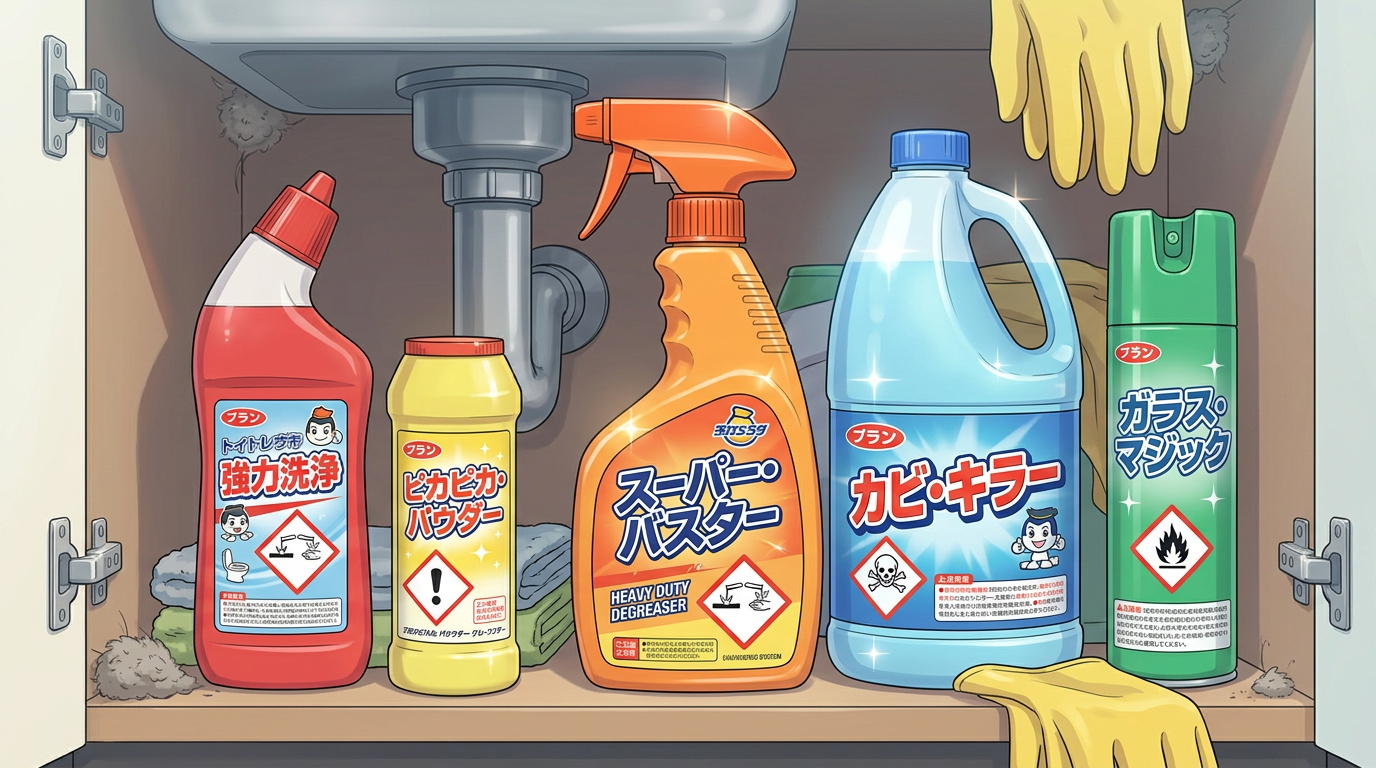
Household cleaners are designed to remove dirt, grease, and bacteria, but many of them contain powerful chemicals that can also irritate or burn skin on contact. These products are generally safe when used correctly, but accidental exposure, mixing chemicals, or improper handling can lead to serious injuries. Chemical burns can happen quickly, especially with highly alkaline or acidic substances. Here are five common household cleaners that can chemically burn you if misused.
Drano Drain Cleaner
Drano Drain Cleaner is a popular solution for clogged sinks and pipes. It works by using strong chemical reactions to break down grease and hair blockages.
Many formulas contain sodium hydroxide or similar caustic ingredients. These substances can cause severe skin burns or eye damage if they come into contact with the body.
Even fumes can irritate the respiratory system if ventilation is poor. This makes careful handling and protective gear important during use.
Lysol Disinfectant Spray
Lysol Disinfectant Spray is widely used for killing germs on surfaces and in the air. It contains chemical agents designed to disrupt bacterial and viral structures.
While effective, prolonged exposure or direct skin contact can cause irritation. In some cases, sensitive skin may experience mild chemical burns or redness.
Spraying in enclosed spaces can also increase exposure risk. Proper ventilation is recommended whenever using aerosol disinfectants.
Clorox Bleach
Clorox Bleach is one of the strongest household cleaning agents. It is commonly used for whitening, disinfecting, and removing stains.
Bleach contains sodium hypochlorite, a highly reactive chemical that can burn skin and damage tissue on contact. Even diluted solutions can cause irritation if left on the skin too long.
Mixing bleach with other cleaners, especially ammonia-based products, can create toxic gases. This is one of the most dangerous household chemical mistakes.
Mr. Clean Multi-Surface Cleaner
Mr. Clean Multi-Surface Cleaner is used for floors, countertops, and general household cleaning. It contains surfactants and chemical agents that help break down grime.
While generally safer than industrial cleaners, it can still cause skin irritation with prolonged exposure. Sensitive individuals may experience redness or burning sensations.
If splashed into eyes, it can cause significant discomfort and potential injury. Wearing gloves during cleaning helps reduce risk.
Easy-Off Oven Cleaner
Easy-Off Oven Cleaner is formulated to remove baked-on grease and food residue. It uses strong alkaline chemicals to dissolve tough stains.
These chemicals are highly corrosive and can cause chemical burns if they come into contact with skin. Even short exposure can lead to irritation or blistering.
Because ovens require enclosed spraying, fumes can also become concentrated. Proper protective equipment and ventilation are essential when using this product.
How Chemical Burns From Cleaners Happen
Chemical burns occur when a substance damages skin tissue on contact. The severity depends on concentration, exposure time, and chemical type.
Common causes include:
- Direct skin contact with concentrated cleaners
- Accidental splashes into eyes or face
- Mixing incompatible cleaning products
- Inhalation of strong fumes in enclosed spaces
Even household products labeled “safe” can be harmful if misused. Understanding ingredients helps reduce risk.
Conclusion
Household cleaners are essential for hygiene, but many contain powerful chemicals that must be handled with care. Products designed to dissolve grease, kill germs, or remove stains can also irritate or burn skin if improperly used.
By following safety instructions, wearing protective gear, and avoiding dangerous mixing, you can significantly reduce the risk of injury. Awareness and caution are key to safe cleaning practices.


Leave a Reply