
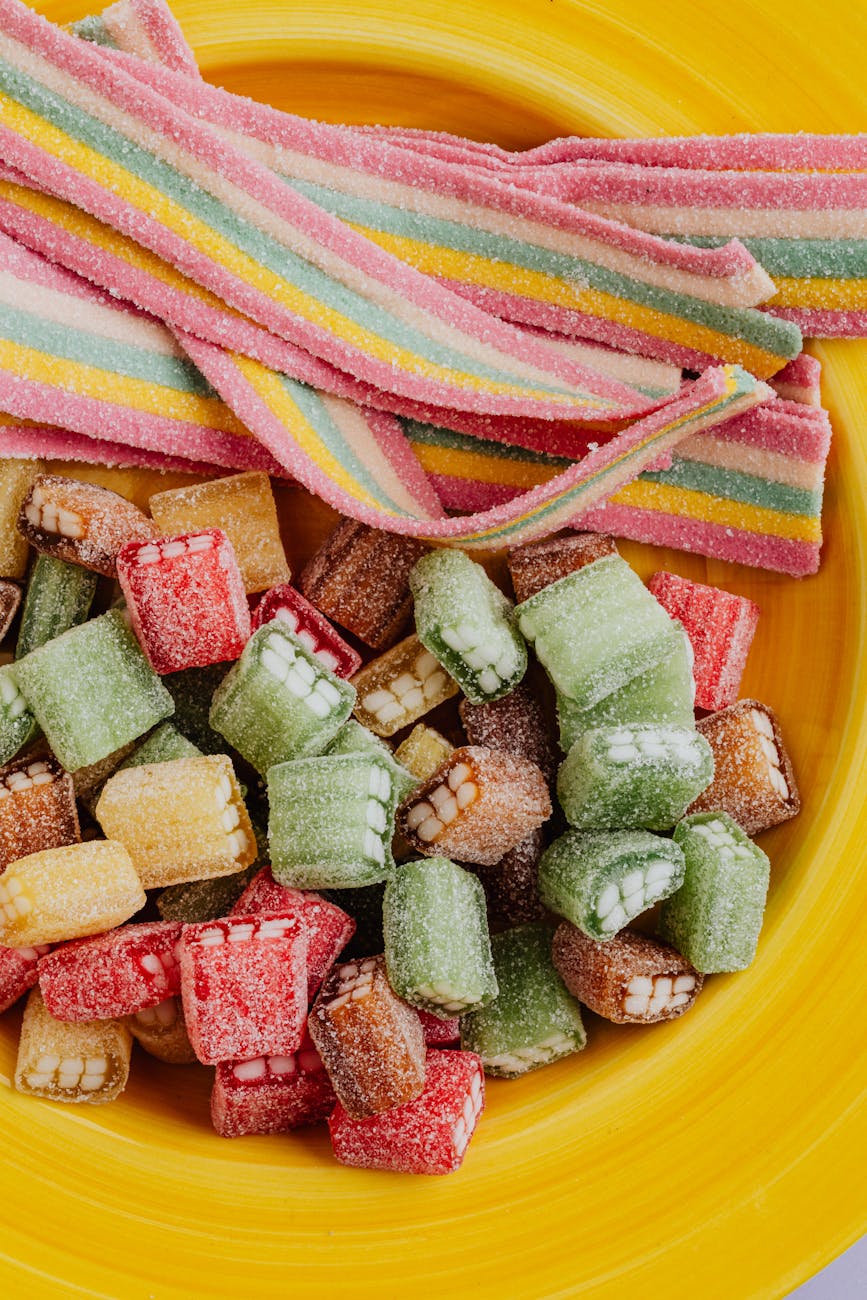
The candy industry has long been dominated by sweet success stories, but not every sugary empire survives. Over the decades, several once-popular candy companies have faced financial struggles, leading to bankruptcy, restructuring, or complete disappearance. These stories show that even beloved brands aren’t immune to changing tastes, rising costs, and intense competition.
Necco: America’s Oldest Candy Maker Falls
Founded in 1847, Necco was one of the oldest candy companies in the United States.
Known for classics like Necco Wafers and Sweethearts conversation candies, the company struggled with declining sales and outdated production methods. In 2018, Necco filed for bankruptcy, marking the end of an era for one of America’s most historic confectioners.
Brach’s: A Household Name Restructures
Brach’s was once a dominant force in American candy aisles, especially known for seasonal treats and pick-and-mix bins.
Facing increased competition and shifting consumer preferences, the company filed for bankruptcy in the early 2000s. While the brand still exists today under different ownership, its original form and widespread presence have significantly diminished.
Farley’s & Sathers Candy Company: Debt and Decline
Farley’s & Sathers produced a wide range of candies, including gummies and marshmallow treats.
Despite owning recognizable products like Peeps (through affiliated brands), the company filed for bankruptcy in 2012 due to heavy debt. It later restructured and merged into what is now part of a larger candy conglomerate.
Leaf Brands: Disappearing Classics
Leaf Brands was responsible for several iconic candies, including Whoppers and Jujyfruits.
The company faced financial difficulties and eventually disappeared as an independent entity after bankruptcy and acquisitions. Many of its products were later absorbed by larger corporations, but the original brand identity faded away.
Goody’s Family Clothing: A Retail Collapse Affecting Candy Sales
While primarily a clothing retailer, Goody’s sold large amounts of candy and seasonal sweets.
Its bankruptcy in 2009 had ripple effects on smaller candy suppliers that relied on its distribution. This example shows how even indirect industry players can impact candy companies’ survival.
Fannie May: A Sweet Comeback Story
Fannie May, a well-known chocolate brand, filed for bankruptcy in 2002.
However, unlike others, it managed to recover after being acquired and restructured. Today, it continues to sell premium chocolates, proving that bankruptcy doesn’t always mean the end.
Common Reasons Candy Companies Fail
Even popular candy brands can struggle for similar reasons:
- Changing consumer preferences toward healthier snacks
- Rising costs of sugar, cocoa, and packaging
- Heavy debt from expansions or acquisitions
- Competition from global giants like Mars, Incorporated and The Hershey Company
- Failure to modernize branding or product lines
Final Thoughts
The candy industry may seem fun and carefree, but it’s still a competitive business with real financial risks.
Companies like Necco, Brach’s, and Farley’s & Sathers show how quickly fortunes can change, even for beloved brands. Whether due to shifting tastes or economic pressures, these stories highlight the importance of adapting in a constantly evolving market.



Leave a Reply