
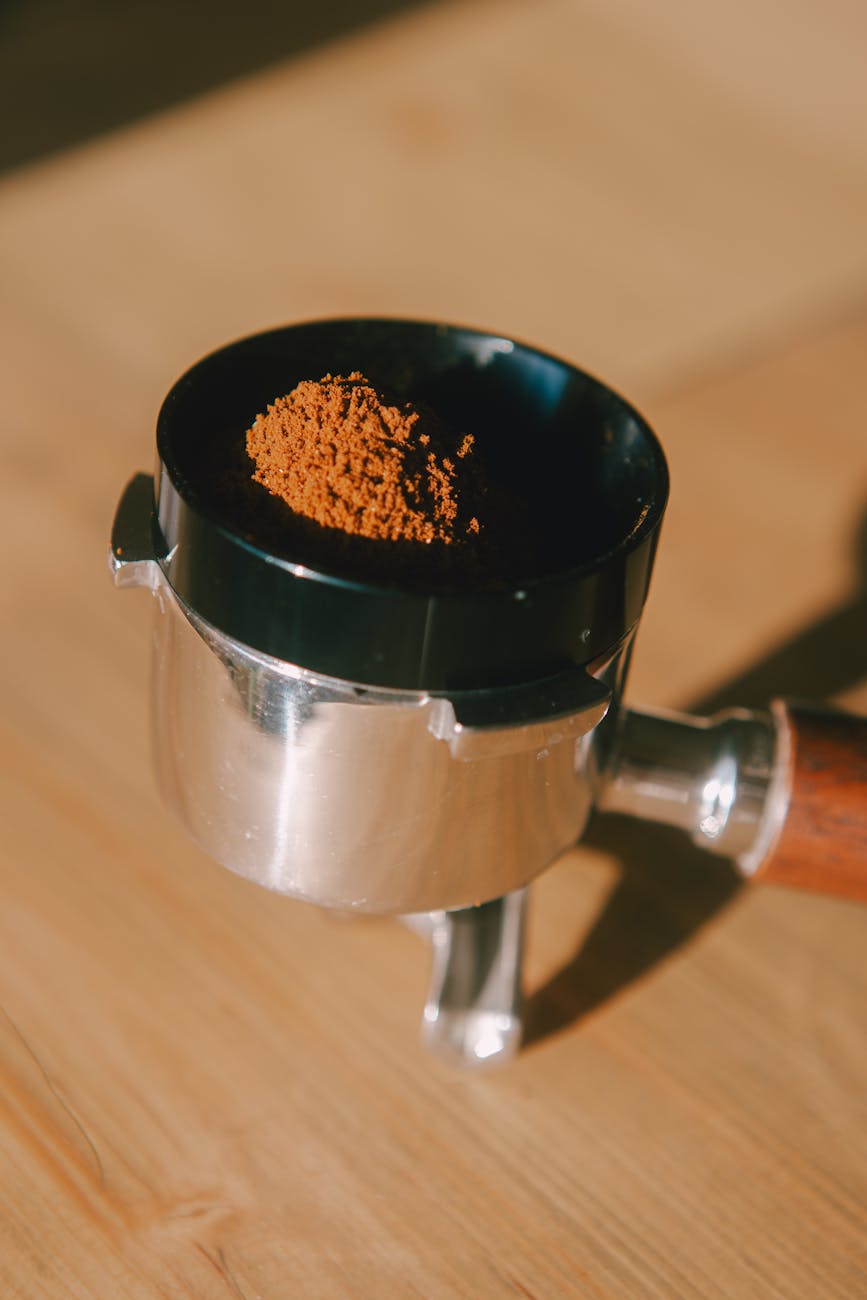
Used coffee grounds are often thrown away without a second thought, but they’re actually one of the most versatile kitchen byproducts you can reuse. Rich in nutrients, mildly abrasive, and naturally aromatic, coffee grounds can be repurposed in everything from gardening to cleaning to personal care. Instead of discarding them, a little creativity can turn yesterday’s brew into a surprisingly useful household resource.
Natural Garden Fertilizer
Coffee grounds are rich in nitrogen, making them a helpful addition to compost or soil. When mixed into garden beds, they can improve soil structure and support plant growth.
They work especially well for acid-loving plants like roses, blueberries, and tomatoes. Over time, they help enrich the soil while reducing kitchen waste.
Pest Repellent for the Garden
The strong smell and texture of coffee grounds can help deter common garden pests such as ants, slugs, and snails. Sprinkling a thin layer around plants can create a natural barrier.
While not a complete solution, it’s a chemical-free way to reduce unwanted visitors in your garden.
Odor Neutralizer for the Home
Dried coffee grounds can absorb and mask unpleasant odors. Placing a small bowl of dried grounds in the refrigerator, freezer, or even a closet can help reduce lingering smells.
They work similarly to baking soda by trapping odor particles in the air.
Natural Exfoliating Scrub
Coffee grounds have a slightly coarse texture that makes them useful in skincare. When mixed with coconut oil or honey, they can be used as a gentle exfoliating scrub.
This helps remove dead skin cells and leaves skin feeling smoother. However, it should be used gently to avoid irritation.
Grease Cleaner for Pots and Pans
The gritty texture of coffee grounds makes them effective for scrubbing away stuck-on grease and food residue. They can be used on pots, pans, and even grill surfaces.
When combined with dish soap, they act as a natural abrasive cleaner without harsh chemicals.
Compost Booster
Coffee grounds are a valuable “green” material in composting systems. They help balance carbon-rich materials like leaves and paper products.
Adding them regularly to compost bins can speed up decomposition and improve the nutrient quality of the final compost.
Natural Dye for Fabric or Paper
Coffee grounds can be used to create a natural brown dye for fabric, paper, or craft projects. Soaking materials in brewed coffee or a coffee-ground mixture creates a vintage, aged look.
This is a popular technique for DIY art and home décor projects.
Hair Treatment for Shine
Some people use coffee grounds as a natural hair rinse to remove buildup and add shine. The grounds help gently exfoliate the scalp and may temporarily enhance hair texture.
This should be done carefully and rinsed thoroughly to avoid residue.
Furniture Scratch Mask
Coffee grounds mixed with a small amount of water can be used to darken and disguise scratches on wooden furniture. The natural pigment helps blend light scratches into darker wood tones.
It’s a simple and inexpensive fix for minor surface damage.
Refrigerator Freshener
Placing dried coffee grounds in an open container inside the refrigerator can help absorb unwanted odors.
This is especially useful for eliminating strong smells from leftovers or seafood, keeping the fridge fresher for longer.
Fire Starter for Camping
Dried coffee grounds can be combined with wax or paper to create slow-burning fire starters. Their density helps them burn steadily, making them useful for camping or fireplaces.
They’re an eco-friendly alternative to chemical fire starters.
Plant Mulch for Moisture Retention
When lightly spread around plants, coffee grounds can help retain soil moisture and regulate temperature.
They also gradually break down, adding nutrients back into the soil while protecting plant roots.
Conclusion
Coffee grounds are far more useful than they first appear. From gardening and cleaning to beauty and DIY projects, they offer a wide range of practical applications that reduce waste and save money. By reusing them instead of throwing them away, you can turn a simple morning routine into an eco-friendly habit with everyday benefits.




Leave a Reply