
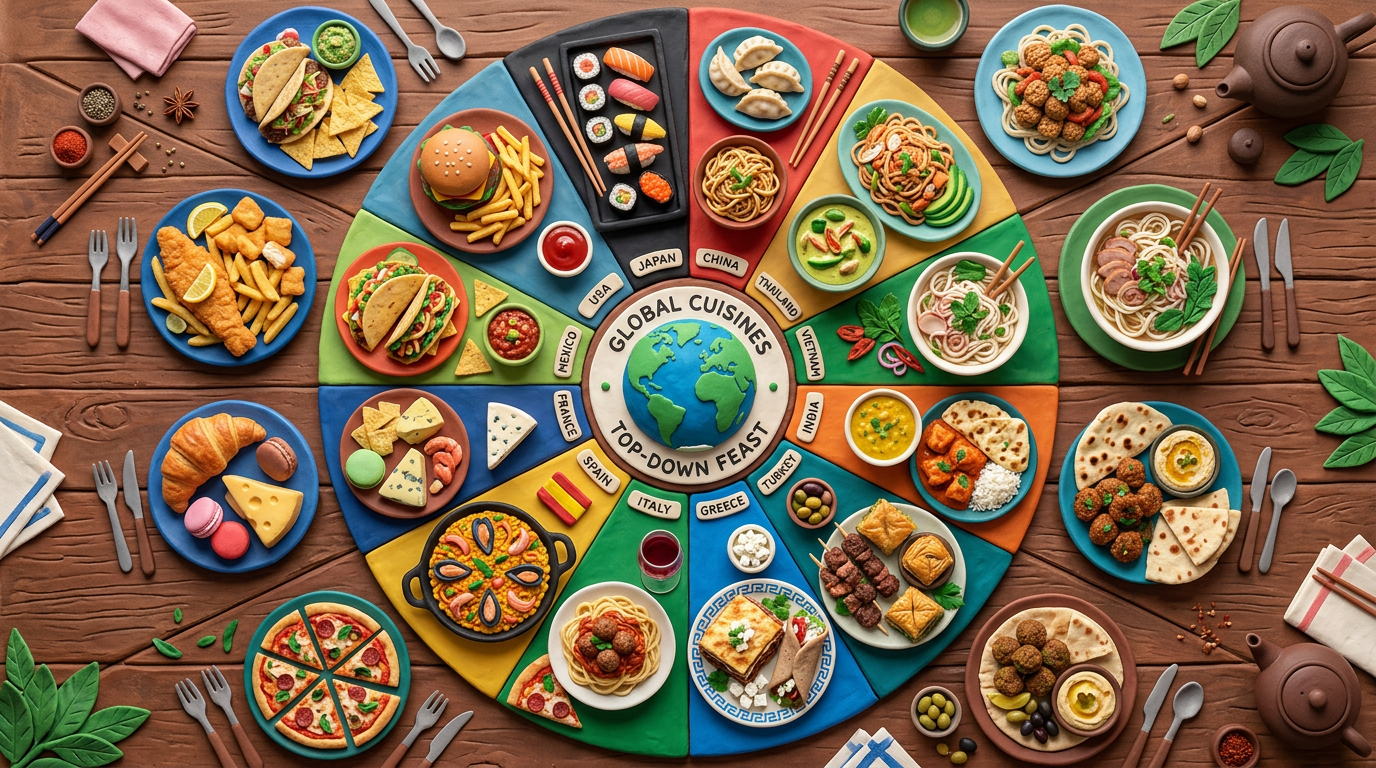
Food trends are constantly evolving, shaped by changing consumer habits, health awareness, and global influences. In 2026, the way people eat is being driven by a mix of practicality, wellness, and bold experimentation. From functional ingredients to global flavors and snack-based lifestyles, this year’s trends reflect a desire for food that is both exciting and purposeful. Here are some of the biggest food trends defining 2026.
Fiber-Rich Foods Take Center Stage
Protein has dominated food conversations for years, but in 2026, fiber is stepping into the spotlight. Consumers are increasingly focused on gut health, digestion, and long-term wellness, leading to a surge in fiber-enhanced products.
You’ll see fiber added to everything from snacks and beverages to pasta and baked goods. This shift is also tied to broader health goals, including improved metabolism and appetite control. It’s no longer just about calories—people want foods that actively support their bodies.
Snacking Replaces Traditional Meals
The traditional three-meals-a-day structure is fading as more people adopt a “grazing” lifestyle. In 2026, snacks are no longer just fillers—they’re becoming полноцен meals.
Mini meals, snack plates, and bite-sized options are dominating grocery shelves and restaurant menus. This trend is driven by convenience, portion control, and busy schedules, especially among younger generations who prefer flexibility over rigid meal times.
Global Flavors Continue to Expand
International cuisine continues to influence what people eat, but in 2026, it’s becoming more specific and regionally focused. Instead of generic “Asian” or “Indian” food, consumers are exploring distinct regional dishes and authentic cooking styles.
Cuisines from Southeast Asia, regional India, and Caribbean influences are gaining traction, along with elevated versions of familiar dishes like noodles and curry bowls. This reflects a growing interest in cultural authenticity and culinary exploration.
Functional Foods and “Eating with Purpose”
Food is no longer just about taste—it’s about function. In 2026, more products are designed to support specific health goals like immunity, energy, digestion, and aging.
From prebiotic drinks to adaptogen-infused snacks, consumers are choosing foods that deliver benefits beyond basic nutrition. This trend is especially popular among older adults and health-conscious shoppers looking to optimize their diets.
Bold Flavor Mashups and Sensory Eating
Flavor experimentation is reaching new heights, with chefs and brands combining unexpected ingredients. Sweet and savory blends, spicy-sweet (“swicy”), and unusual pairings like herbs in desserts are becoming more common.
At the same time, texture is becoming just as important as flavor. Foods that offer crunch, creaminess, or layered sensory experiences are gaining popularity, creating a more immersive eating experience.
The Return of Traditional Ingredients
Interestingly, while innovation is booming, there’s also a return to traditional and “old-school” ingredients. Items like beef tallow and heritage cooking methods are making a comeback as people seek more natural, less processed options.
This reflects a broader desire for authenticity and simplicity, with consumers gravitating toward foods that feel more “real” and less industrialized.
Conclusion
The biggest food trends of 2026 highlight a balance between health, convenience, and creativity. People are looking for foods that not only taste good but also support their lifestyles—whether that means better digestion, quicker meals, or more exciting flavors. From fiber-packed products to global cuisines and snack-based eating, the future of food is all about personalization and purpose. As these trends continue to evolve, they’re reshaping not just what we eat, but how we think about food altogether.



Leave a Reply