
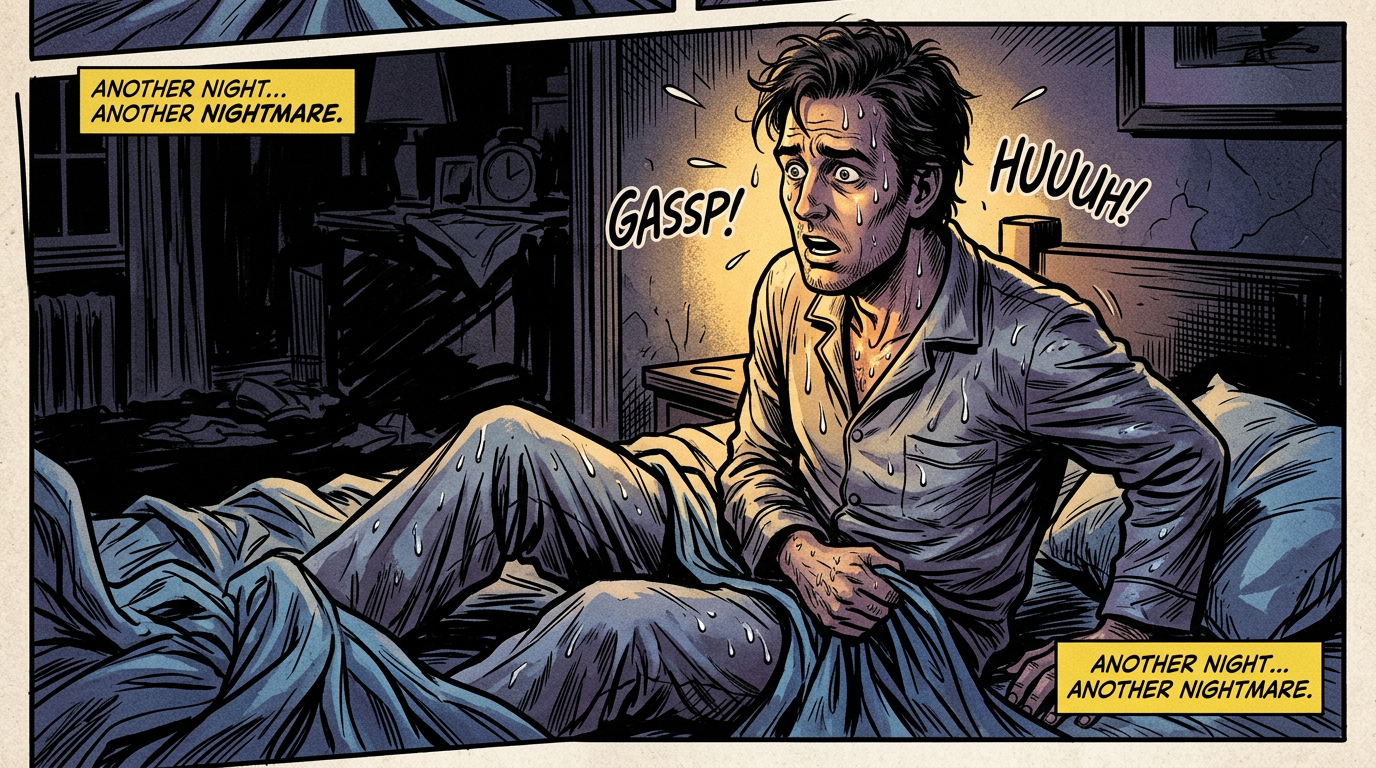
Waking up drenched in sweat can be uncomfortable—and sometimes concerning. Occasional overheating during sleep is normal, but frequent or severe night sweats may point to underlying issues. From environmental factors to medical conditions, there are several reasons your body might be overheating at night. Understanding the causes can help you figure out whether it’s a simple fix or something worth discussing with a healthcare provider.
Menopause: Hormonal Fluctuations
One of the most common causes of night sweats is menopause. As hormone levels—particularly estrogen—shift, the body’s temperature regulation can become unstable. This often leads to sudden heat surges known as hot flashes, which can occur during sleep and result in heavy sweating.
Hyperthyroidism: An Overactive Thyroid
Hyperthyroidism speeds up your metabolism, which can cause your body to produce excess heat. People with this condition often experience increased sweating, even at night. Other symptoms may include weight loss, rapid heartbeat, and anxiety.
Infections: Your Body Fighting Back
Certain infections can trigger night sweats as your body works to fight off illness. Conditions like tuberculosis, endocarditis, or even severe flu cases can cause fluctuations in body temperature. Night sweats in this context are often accompanied by fever, chills, or fatigue.
Anxiety Disorders: Stress and the Nervous System
Stress and anxiety don’t just affect your mind—they can also impact your body. Anxiety disorders can activate the body’s fight-or-flight response, increasing heart rate and body temperature. This can lead to sweating during sleep, especially if you’re experiencing vivid dreams or restlessness.
Antidepressants: Medication Side Effects
Certain medications, particularly antidepressants, are known to cause night sweats as a side effect. These drugs can affect neurotransmitters that influence body temperature regulation. If your symptoms began after starting a new medication, it may be worth discussing with your doctor.
Sleep Apnea: Disrupted Breathing
Sleep apnea causes repeated interruptions in breathing during sleep, which can stress the body and lead to sweating. The effort to breathe can trigger a stress response, increasing body temperature. Night sweats are often accompanied by loud snoring and daytime fatigue.
Hypoglycemia: Blood Sugar Drops
Low blood sugar levels during the night can also cause sweating. This is more common in people with diabetes or those taking medications that affect blood sugar. Symptoms may include shakiness, confusion, or waking up feeling unusually hungry.
Environmental Factors: The Simple Explanation
Sometimes, the cause of night sweats is far less serious. A warm bedroom, heavy blankets, or non-breathable sleepwear can trap heat and lead to sweating. Adjusting your sleep environment—lowering the thermostat or switching to lighter bedding—can often solve the problem.
When to Seek Medical Advice
Occasional night sweats aren’t usually a cause for concern. However, if they happen frequently, are severe, or are accompanied by symptoms like weight loss, fever, or persistent fatigue, it’s important to seek medical advice. These could be signs of an underlying condition that needs attention.
Conclusion: Finding the Root Cause
Night sweats can stem from a wide range of causes, from simple environmental factors to more complex medical issues. Paying attention to patterns and accompanying symptoms can help you identify the source. Whether it’s adjusting your sleeping conditions or consulting a healthcare provider, addressing the issue can lead to more restful—and comfortable—nights.



Leave a Reply