
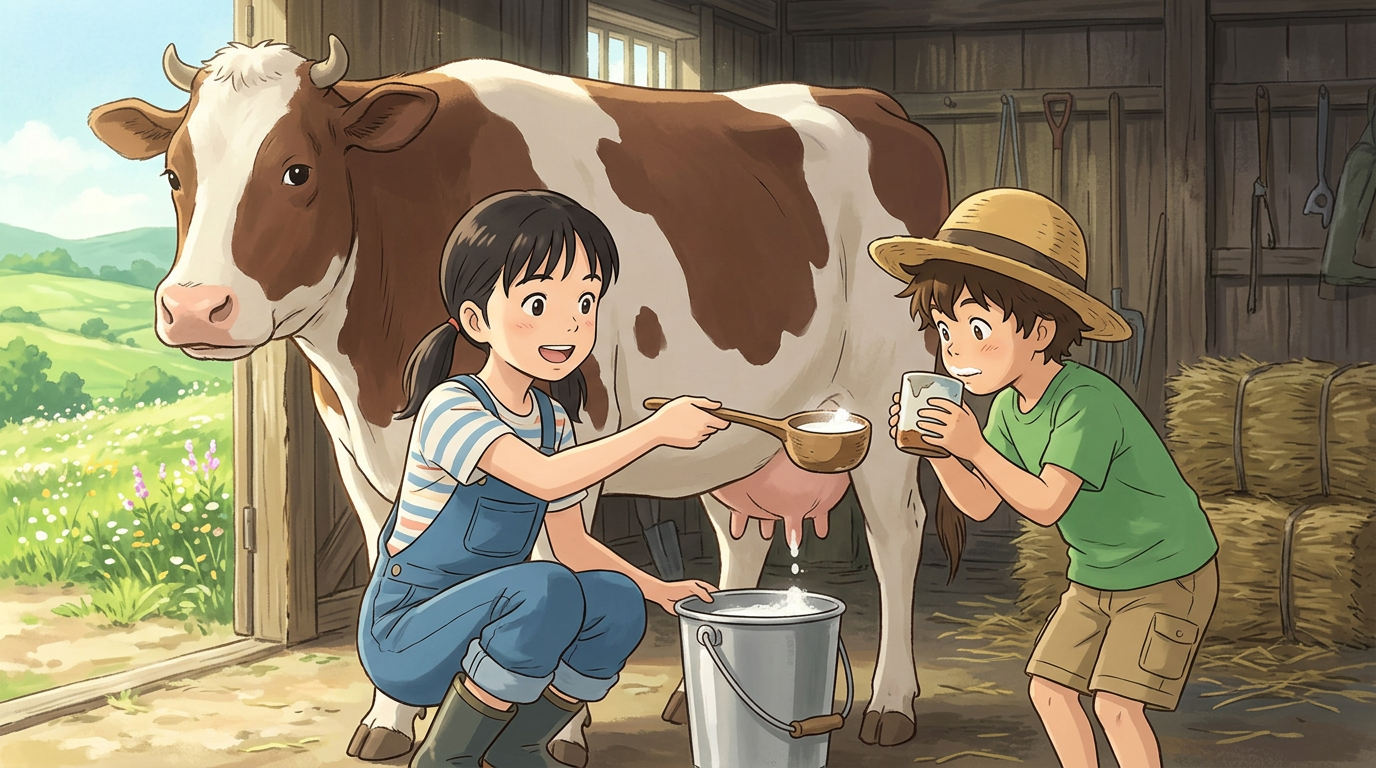
Unpasteurized Milk—often called raw milk—has become a topic of renewed interest among health enthusiasts. Unlike pasteurized milk, which is heated to kill harmful bacteria, raw milk is consumed in its natural state. Supporters claim it offers unique nutritional and health benefits, while health authorities urge caution due to safety concerns. Understanding the potential advantages—and the context in which they’re discussed—can help you make an informed decision.
Natural Enzymes: Supporting Digestion
One of the most commonly cited benefits of raw milk is its natural enzyme content. Enzymes like lactase, which helps break down lactose, are present in unpasteurized milk but can be reduced during pasteurization. Some proponents believe these enzymes make raw milk easier to digest, particularly for individuals who experience mild lactose sensitivity.
Probiotics: Gut Health Potential
Raw milk contains naturally occurring bacteria, some of which may act as probiotics. These beneficial microbes can support gut health by promoting a balanced microbiome. A healthy gut is linked to improved digestion, immune function, and even mental well-being. However, it’s important to note that raw milk can also contain harmful bacteria, making this benefit a double-edged sword.
Vitamins: Preserving Nutritional Value
Supporters of raw milk argue that pasteurization can slightly reduce certain heat-sensitive vitamins, such as vitamin C and some B vitamins. While the overall nutritional difference is relatively small, raw milk advocates believe that consuming milk in its natural state preserves its full nutrient profile.
Healthy Fats: A Natural Energy Source
Raw milk contains a mix of saturated and unsaturated fats, along with fat-soluble vitamins like A, D, E, and K. These nutrients play important roles in energy production, immune support, and overall health. In whole, unprocessed form, these fats are not altered by heat, which some believe enhances their nutritional integrity.
Potential Allergy Reduction: A Growing Area of Study
Some observational studies suggest that children raised on farms and exposed to raw milk may have lower rates of allergies and asthma. Researchers believe this could be linked to early exposure to diverse microbes. While promising, this area of research is still developing, and more controlled studies are needed to confirm these effects.
Safety Considerations: A Critical Factor
While raw milk may offer certain benefits, it also carries risks. Without pasteurization, harmful bacteria such as E. coli, Salmonella, and Listeria can be present. These pathogens can cause serious illness, particularly in children, pregnant individuals, and those with weakened immune systems. This is why many public health organizations advise against consuming raw milk.
Why the Debate Continues
The discussion around raw milk often comes down to balancing potential benefits with known risks. Advocates emphasize its natural composition and possible health advantages, while critics point to the dangers of bacterial contamination. Regulations vary widely depending on location, reflecting this ongoing debate.
Conclusion: Weighing the Pros and Cons
Raw milk offers a range of potential benefits, from natural enzymes to probiotics and preserved nutrients. However, these advantages must be considered alongside the real risks associated with consuming unpasteurized products. For those interested, it’s essential to stay informed, understand local regulations, and prioritize safety when making dietary choices.




Leave a Reply