

Some food smells are so powerful that they feel almost impossible to ignore. You might walk past a bakery, a street food stall, or even someone’s kitchen and suddenly feel hungry—even if you just ate. While “addictive” is a strong word, certain aromas do activate reward centers in the brain, triggering dopamine responses and conditioning us to seek them out again and again. These smells are usually tied to fat, sugar, heat, and umami compounds that signal calorie-rich foods. Over time, our brains learn to associate them with comfort and pleasure.
Fresh-Baked Bread: The Ultimate Comfort Trigger
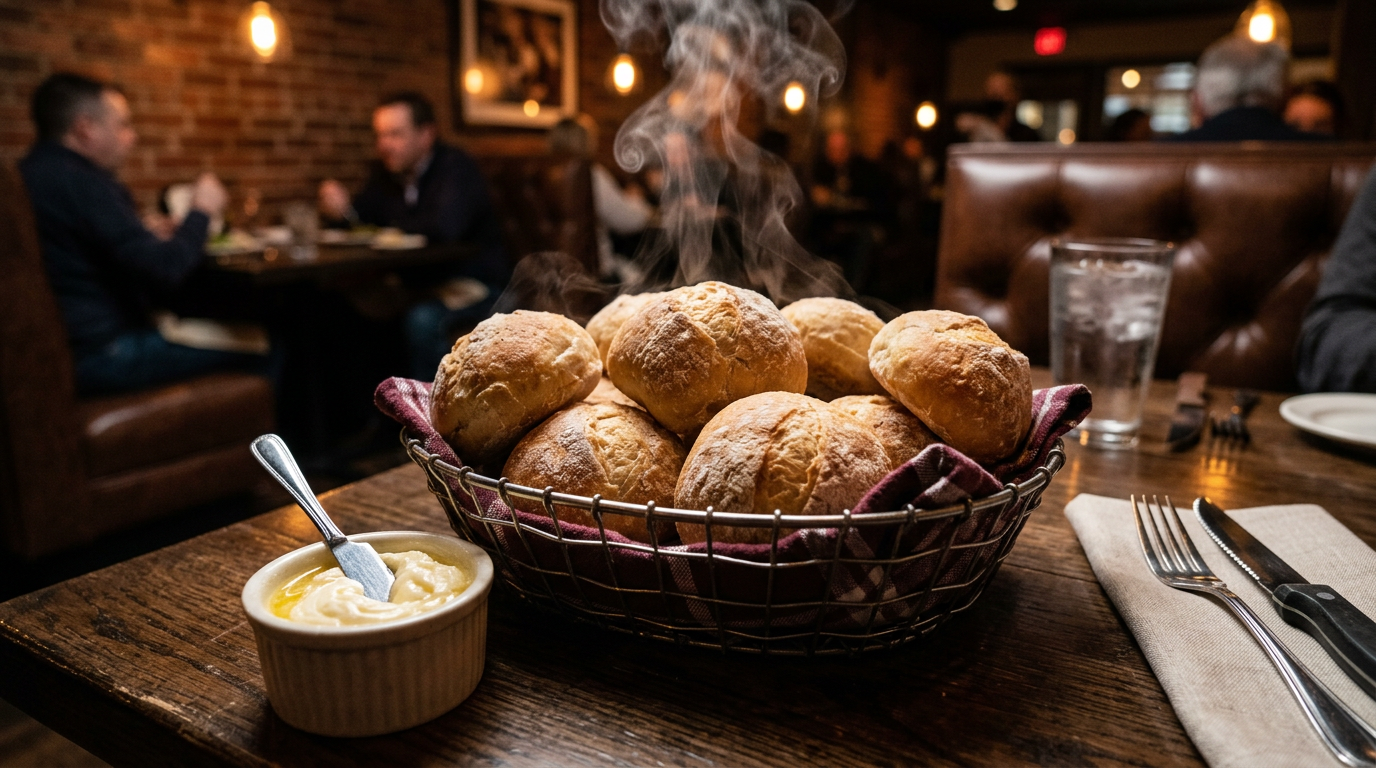
The smell of fresh bread is one of the most universally comforting food aromas. When dough bakes, chemical reactions like the Maillard reaction create complex scent compounds that signal warmth, softness, and richness.
This aroma can feel emotionally powerful because it is strongly tied to memory—home kitchens, bakeries, and childhood meals. The brain often interprets it as a cue for safety and nourishment, which is why it can feel so irresistible. Even people not planning to eat bread often end up craving it after smelling it fresh out of the oven.
Coffee Brewing: A Morning Signal Your Brain Learns to Crave
The smell of coffee is another powerful trigger that many people find difficult to resist. Even though caffeine is the actual stimulant, the aroma alone can create anticipation and alertness.
Roasted coffee beans release hundreds of volatile compounds during brewing, creating a deep, rich smell that signals energy and routine. Over time, the brain begins associating this scent with waking up, productivity, and focus. This learned association can make the smell feel almost necessary for starting the day.
Grilled Meat: Smoke, Fat, and Instinct
Few smells are as primal as grilled or barbecued meat. When fat drips onto heat and smoke rises, it creates aromatic compounds that are deeply tied to survival instincts.
The combination of protein, fat, and smoke activates strong sensory responses in the brain. This scent signals high-calorie food that is both satisfying and filling. That’s why barbecues, food trucks, and grilled street foods can feel so hard to walk away from once you catch the smell in the air.
Butter and Popcorn: Movie Theater Conditioning
The smell of buttered popcorn is strongly associated with entertainment and reward. It is no accident that movie theaters pump this aroma into the air—it is engineered to enhance craving.
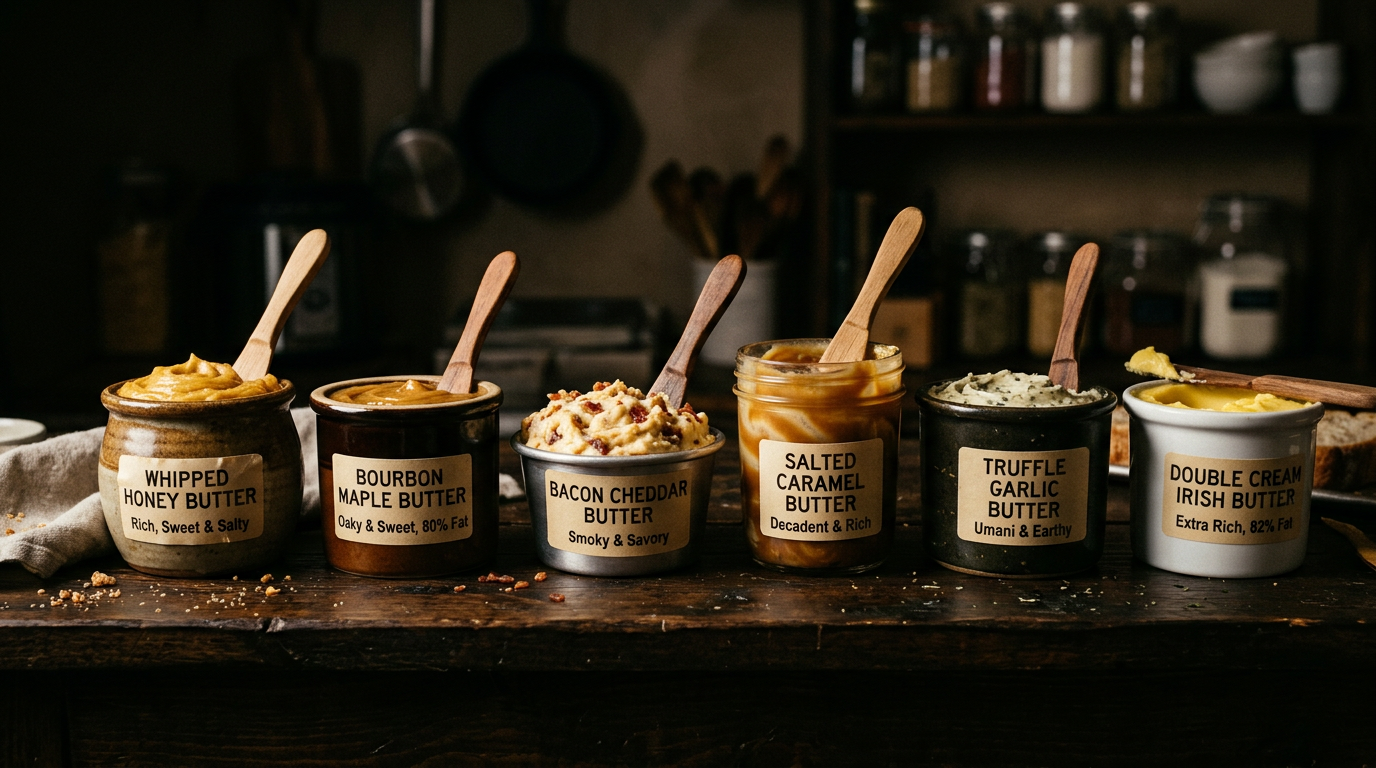
Butter contains fat compounds that release rich, warm scents when heated, while popcorn itself provides a toasty, slightly sweet base smell. Together, they create a sensory experience linked to relaxation and enjoyment. Over time, the brain begins associating this smell with fun experiences, making it feel almost impossible to resist.
Fried Foods: Crispy Oils and Instant Reward
Fried foods like fries, chicken, and donuts produce some of the most instantly recognizable and crave-inducing smells. The combination of hot oil, starch, and seasoning creates a strong sensory signal of indulgence.
These aromas activate both smell and memory pathways tied to reward. The brain interprets them as high-energy foods, which historically meant survival value. Even people not hungry can feel drawn to the scent because it suggests instant gratification and richness.
Cinnamon and Vanilla: Sweet Aromas That Calm and Tempt
Sweet spice scents like cinnamon and vanilla have a unique effect on the brain. They are often associated with baking, holidays, and comfort foods.
These aromas can reduce stress responses while also increasing cravings for sweet foods. Cinnamon in particular has a warm, spicy profile that blends with sugar-based treats, making it feel both soothing and stimulating. Vanilla adds a creamy sweetness that enhances the perception of richness in desserts and baked goods.
Conclusion
Food smells can feel surprisingly powerful because they are closely linked to memory, emotion, and the brain’s reward system. While they are not truly “addictive” in a clinical sense, certain aromas like baked bread, coffee, grilled meat, and fried foods can strongly influence cravings and behavior. These scents work because they signal comfort, energy, and reward—making them hard to ignore and even harder to forget.

Leave a Reply