

Butter is a kitchen staple, prized for its rich flavor and versatility. While it can be part of a balanced diet, certain types of butter and butter-like spreads may raise health concerns when consumed in excess. Diets high in saturated fats, additives, and salt have been linked to an increased risk of Stomach Cancer. The issue isn’t butter alone, but how it’s processed, flavored, and consumed over time. Here are some butter varieties that may carry higher risks.
Salted Butter: High Sodium Intake
Salted butter contains added sodium to enhance flavor and extend shelf life. While small amounts are generally harmless, frequent consumption can contribute to excessive sodium intake. High salt levels have been associated with damage to the stomach lining, which may increase vulnerability to harmful bacteria and long-term health issues, including stomach cancer.
Flavored Butter: Additives and Preservatives
Flavored butters—such as garlic, herb, or honey varieties—often contain additional ingredients beyond simple cream and salt. Some commercially produced versions include preservatives, artificial flavors, or stabilizers. While these additives are typically approved for use, frequent consumption of highly processed foods may contribute to cumulative health risks over time.
Margarine: Trans Fats and Processing
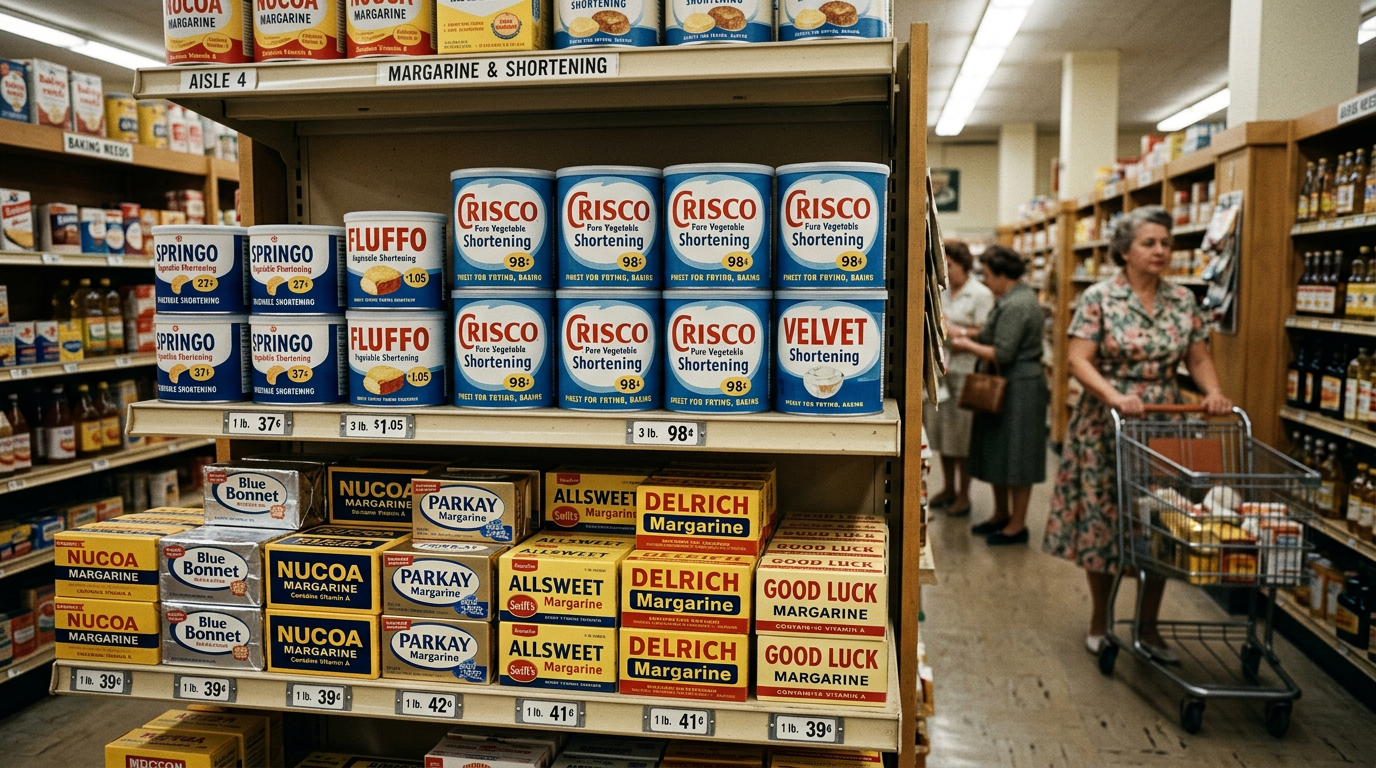
Margarine is often used as a butter alternative, but some varieties contain partially hydrogenated oils, which can produce trans fats. These fats have been linked to inflammation and cardiovascular issues. Chronic inflammation in the body is considered a contributing factor in the development of certain cancers, including those affecting the digestive system.
Butter Blends: Hidden Ingredients
Butter blends combine real butter with vegetable oils and emulsifiers to create a softer, more spreadable product. While convenient, these blends can include additives that alter their nutritional profile. Some may contain higher levels of processed fats or stabilizers, which could contribute to long-term health concerns when consumed regularly.
Clarified Butter (Ghee): High Fat Concentration
Ghee, or clarified butter, is popular in many cuisines for its rich flavor and high smoke point. However, it is highly concentrated in saturated fat. Diets consistently high in saturated fat may contribute to obesity and other metabolic issues, which are linked to increased cancer risk. Moderation is especially important with concentrated products like ghee.
Butter-Based Sauces: Excess Consumption Risk
Butter is often used as a base for sauces like hollandaise or beurre blanc. These dishes can significantly increase overall butter intake in a single meal. When combined with other high-fat or high-sodium foods, they can contribute to dietary patterns associated with increased health risks.
Why These Products Raise Concern
The connection between butter and stomach cancer is not direct but relates to broader dietary patterns. High intake of salt, saturated fats, and processed ingredients can damage the stomach lining, promote inflammation, and affect overall digestive health. Over time, these factors may increase susceptibility to serious conditions.
Conclusion: Moderation and Smarter Choices
Butter can still be enjoyed as part of a balanced diet, but it’s important to choose wisely. Opting for unsalted, minimally processed butter and using it in moderation can help reduce potential risks. Being mindful of overall dietary habits—rather than focusing on a single ingredient—offers the best approach to protecting your long-term health.


Leave a Reply