

Heart disease remains the leading cause of death worldwide, and diet plays a crucial role in either preventing or contributing to it. While some foods help support cardiovascular health, others do the opposite. Eating foods high in saturated fats, trans fats, added sugars, and sodium can increase the risk of high blood pressure, high cholesterol, and other risk factors. Here are the worst offenders you should minimize or avoid for a healthier heart.
1. Processed Meats
Processed meats such as bacon, sausage, hot dogs, and deli meats are some of the worst foods for your heart. These meats are often high in saturated fat and sodium, which can raise LDL (bad) cholesterol and blood pressure. Some also contain nitrates and nitrites, preservatives that may contribute to inflammation and arterial damage over time.
2. Fried Foods
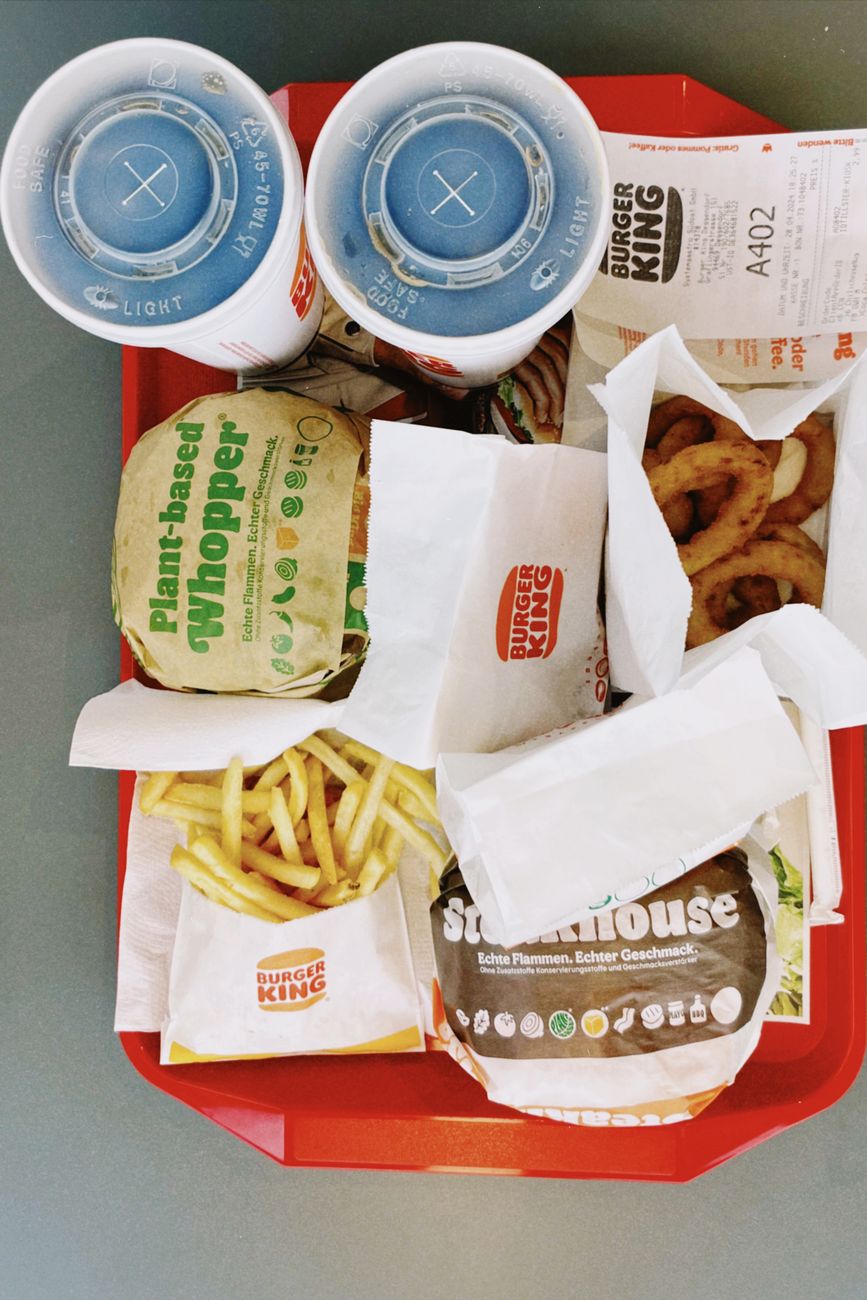
Deep-fried foods like french fries, fried chicken, and doughnuts are typically cooked in oils loaded with trans fats or reused oils, which can raise cholesterol levels and increase inflammation. Trans fats not only raise bad cholesterol (LDL) but also lower good cholesterol (HDL), making them especially harmful for heart health.
3. Sugary Beverages
Sodas, energy drinks, and other sugary beverages are packed with added sugars and offer no nutritional value. High sugar intake has been linked to obesity, type 2 diabetes, and increased risk of heart disease. These drinks also contribute to insulin resistance, which can harm blood vessels over time.
4. Baked Goods and Pastries
Many commercially made cakes, cookies, pies, and pastries contain high levels of sugar, refined flour, and trans fats. Even if labeled “trans fat-free,” they may contain small amounts of partially hydrogenated oils, which are still dangerous. These foods can lead to weight gain, higher triglyceride levels, and increased cardiovascular risk.
5. White Bread and Refined Carbohydrates
Refined carbohydrates like white bread, pasta, and rice lack fiber and essential nutrients. They are quickly broken down into sugar in the body, leading to spikes in blood glucose and insulin. Over time, this can contribute to insulin resistance, inflammation, and increased triglyceride levels—factors that raise the risk of heart disease.
6. High-Sodium Foods
Excess salt intake is a major contributor to high blood pressure, a significant risk factor for heart disease. Processed foods such as canned soups, frozen dinners, snack foods, and fast food often contain alarmingly high amounts of sodium. Reading labels and choosing low-sodium alternatives can help protect your heart.
7. Margarine and Shortening
While butter has been traditionally criticized for its saturated fat content, some margarines—especially stick margarine—can be even worse due to their trans fat content. These fats can damage arteries and increase bad cholesterol levels, making them a poor choice for heart health.
Conclusion
Protecting your heart starts with making better dietary choices. Limiting or avoiding these harmful foods can reduce your risk of cardiovascular disease and improve overall health. Focus on whole, minimally processed foods like fruits, vegetables, whole grains, lean proteins, and healthy fats to support long-term heart health.



Leave a Reply