
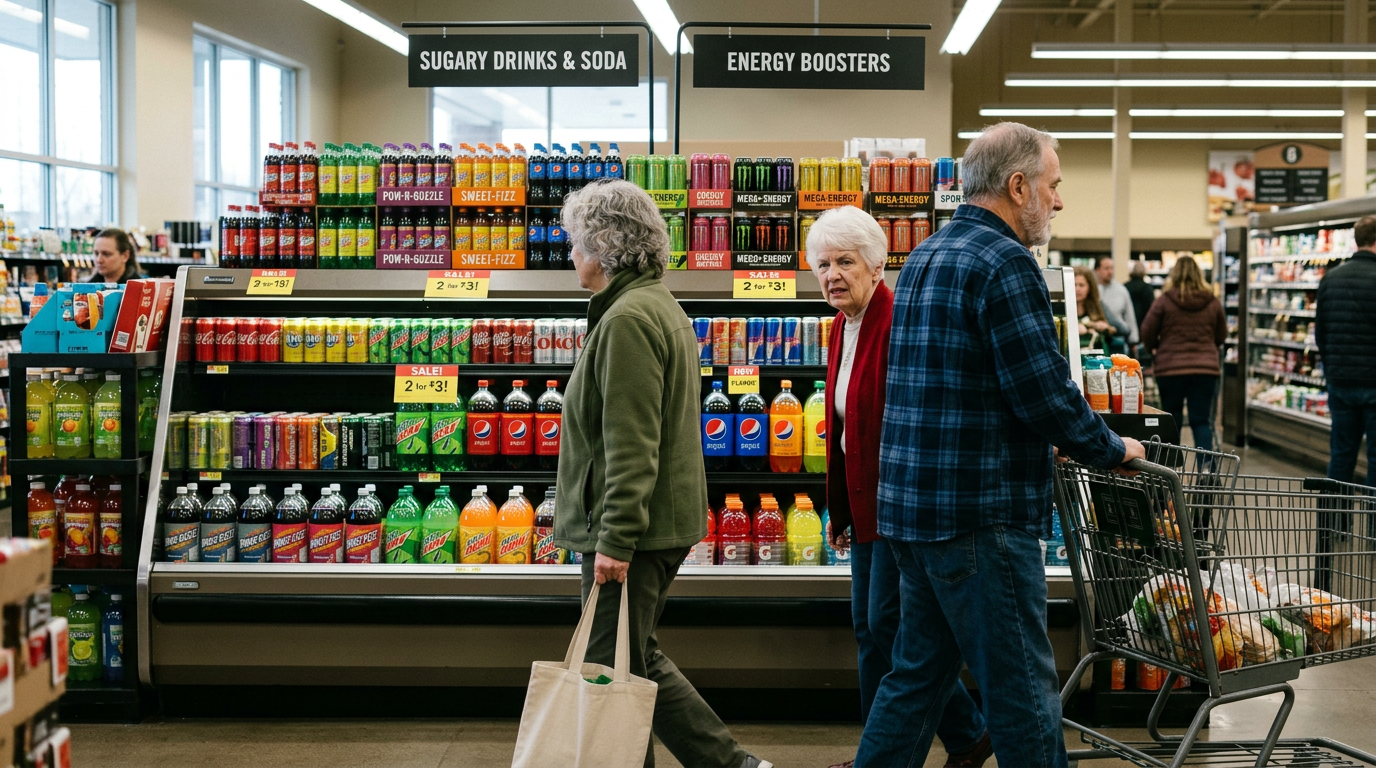
As we age, our nutritional needs and health concerns evolve. For seniors, staying hydrated is crucial, but the types of beverages consumed can have a significant impact on blood pressure, bone health, blood sugar, and overall wellness. While some drinks may seem harmless or even healthy, they can carry hidden risks for older adults. Below are some of the worst beverages for seniors and why they should be limited or avoided altogether.
Sugary Soft Drinks
Regular sodas are one of the worst choices for anyone, especially seniors. A single can of soda can contain 35–40 grams of added sugar, far exceeding the recommended daily limit. These added sugars contribute to weight gain, insulin resistance, and a higher risk of type 2 diabetes and heart disease.
For seniors, excessive sugar intake can also accelerate bone loss and inflammation, two major concerns with aging. Additionally, the phosphoric acid in colas has been linked to lower bone mineral density, increasing the risk of fractures.
Alcoholic Beverages
While moderate alcohol consumption might not be harmful for everyone, it poses specific risks for seniors. Alcohol can interact with common medications, including blood pressure drugs, blood thinners, and sedatives. It may also impair balance and coordination, increasing the risk of falls and injuries.
Even small amounts can negatively affect liver function, disrupt sleep patterns, and contribute to dehydration, which is already a concern for older adults. Seniors with health issues like diabetes, high blood pressure, or cognitive decline should be especially cautious with alcohol.
Energy Drinks
Energy drinks are packed with caffeine, sugar, and stimulants like taurine and guarana, which can pose serious health risks for seniors. These ingredients can lead to spikes in blood pressure, irregular heart rhythms, and anxiety. Some energy drinks contain over 200 milligrams of caffeine per serving—far too much for someone with a sensitive cardiovascular system.
Seniors should avoid energy drinks entirely, especially those with heart conditions, sleep disorders, or on medications that affect the nervous system.
Fruit Juice Cocktails
While 100% fruit juice can be a good source of vitamins, many juice cocktails are not made entirely from fruit. These beverages often contain added sugars, artificial flavors, and preservatives, with little fiber or protein to slow down the absorption of sugar into the bloodstream.
For seniors, this can cause dangerous blood sugar spikes and increase the risk of developing or worsening type 2 diabetes. Even “healthy”-looking juices like cranberry or grape juice can contain over 30 grams of sugar per glass if not labeled 100% juice with no added sugars.
Flavored Coffee Beverages
Specialty coffee drinks from cafés or ready-to-drink bottled options can be deceptively unhealthy. Many are loaded with creamers, sugar, syrups, and whipped toppings, turning coffee into a high-calorie dessert drink. A large flavored latte can exceed 400 calories and 40 grams of sugar.
High caffeine levels can also cause jitteriness, heart palpitations, and digestive upset in sensitive individuals. Seniors should stick with plain brewed coffee or decaf, and skip sugary additions.


Leave a Reply