
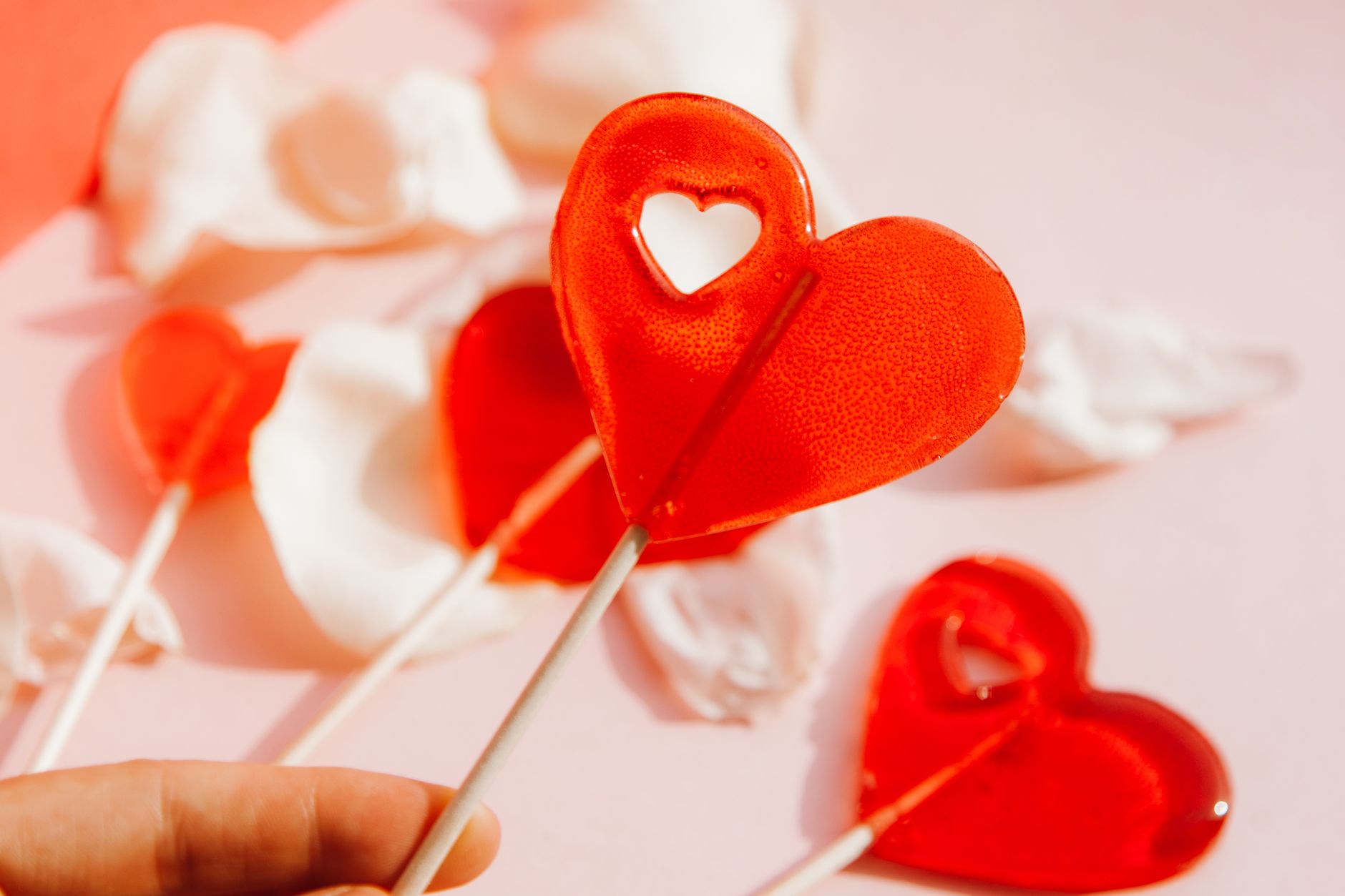
Valentine’s Day and candy have been connected for well over a century, long before today’s shelves became crowded with themed chocolates, gummies, and novelty treats. Some of the holiday’s most recognizable sweets have surprisingly old histories, with a few dating back to the 19th century.
Not every candy on this list was originally invented specifically for Valentine’s Day. However, each became an important part of the tradition of giving sweets to someone special. From heart-shaped chocolate boxes to tiny candies carrying romantic messages, these classics helped establish the Valentine’s Day candy traditions that remain familiar today.
Whitman’s Chocolates
The Whitman’s story began in Philadelphia in 1842, when Stephen F. Whitman opened a candy shop. By the 1850s, the company was producing packaged candies, making Whitman’s one of America’s oldest continuously recognizable confectionery names.
Whitman’s became especially associated with boxed chocolates, which eventually became a Valentine’s Day staple. The famous Whitman’s Sampler wasn’t introduced until 1912, but the company’s earlier history helped establish the tradition of giving assorted chocolates as gifts.
The Sampler became particularly successful, reportedly becoming the company’s best-selling assortment by 1915. Its familiar box, filled with different chocolate centers, helped turn an assortment of candy into a classic romantic present.
Cadbury Heart-Shaped Chocolates
Richard Cadbury is credited with introducing one of the most important innovations in Valentine’s candy: the heart-shaped box of chocolates in 1868. The packaging turned chocolate into an unmistakable romantic gift and helped establish a format that other confectioners soon adopted.
The significance wasn’t just the chocolate itself. The heart-shaped package communicated the occasion before the recipient even opened it.
That idea proved remarkably durable. More than 150 years later, heart-shaped boxes remain one of the defining visual symbols of Valentine’s Day.
Conversation Hearts
Conversation hearts have an unusual origin that predates their familiar Valentine’s Day identity. In 1847, Boston pharmacist Oliver Chase developed machinery for producing medicinal lozenges. The technology eventually helped establish the candy business that became NECCO.
In 1866, Daniel Chase developed a method for stamping sayings directly onto candy. The early versions weren’t necessarily heart-shaped; they appeared in forms including shells, horseshoes, and other shapes and carried much longer messages than the tiny phrases seen today.
By the early 1900s, the candies had evolved into the familiar small hearts. The modern Sweethearts brand dates to 1902, making conversation hearts one of the oldest Valentine’s candies still strongly associated with the holiday.
Hershey’s Kisses
Hershey’s Kisses joined America’s candy landscape in 1907, giving Valentine’s Day another confection that eventually became closely associated with affection and gift-giving. The small chocolates were introduced several years after the company’s famous milk chocolate bar.
The name itself made the candy particularly appropriate for Valentine’s Day. Over time, Kisses became a familiar ingredient in holiday baking, candy dishes, and Valentine’s gift assortments.
Their small size also made them easy to package alongside other sweets, helping them become a versatile part of seasonal celebrations.
Russell Stover Chocolates
Russell Stover is another name that became deeply connected with boxed chocolates and Valentine’s Day. Russell and Clara Stover began selling chocolates from their home in 1923, and the company eventually became one of America’s best-known boxed-chocolate brands.
The company’s rise helped reinforce the idea that a box of assorted chocolates was an appropriate Valentine’s gift. Different centers offered an element of surprise, while decorative packaging made the candy feel more like a present than an everyday snack.
Some of the traditions associated with historic Valentine’s candies include:
- Heart-shaped packaging.
- Assorted chocolate centers.
- Romantic messages printed directly on candy.
- Small chocolates designed for sharing.
- Seasonal packaging created specifically for February.
Conclusion
The history of Valentine’s Day candy stretches much further back than many shoppers realize. Whitman’s chocolates, Cadbury’s heart-shaped boxes, conversation hearts, Hershey’s Kisses, and Russell Stover chocolates each played a role in creating the holiday’s enduring candy traditions. While today’s Valentine’s aisle looks very different from the candy counters of the 19th and early 20th centuries, these historic sweets helped establish the familiar connection between February 14 and giving someone a little something sweet.


Leave a Reply