
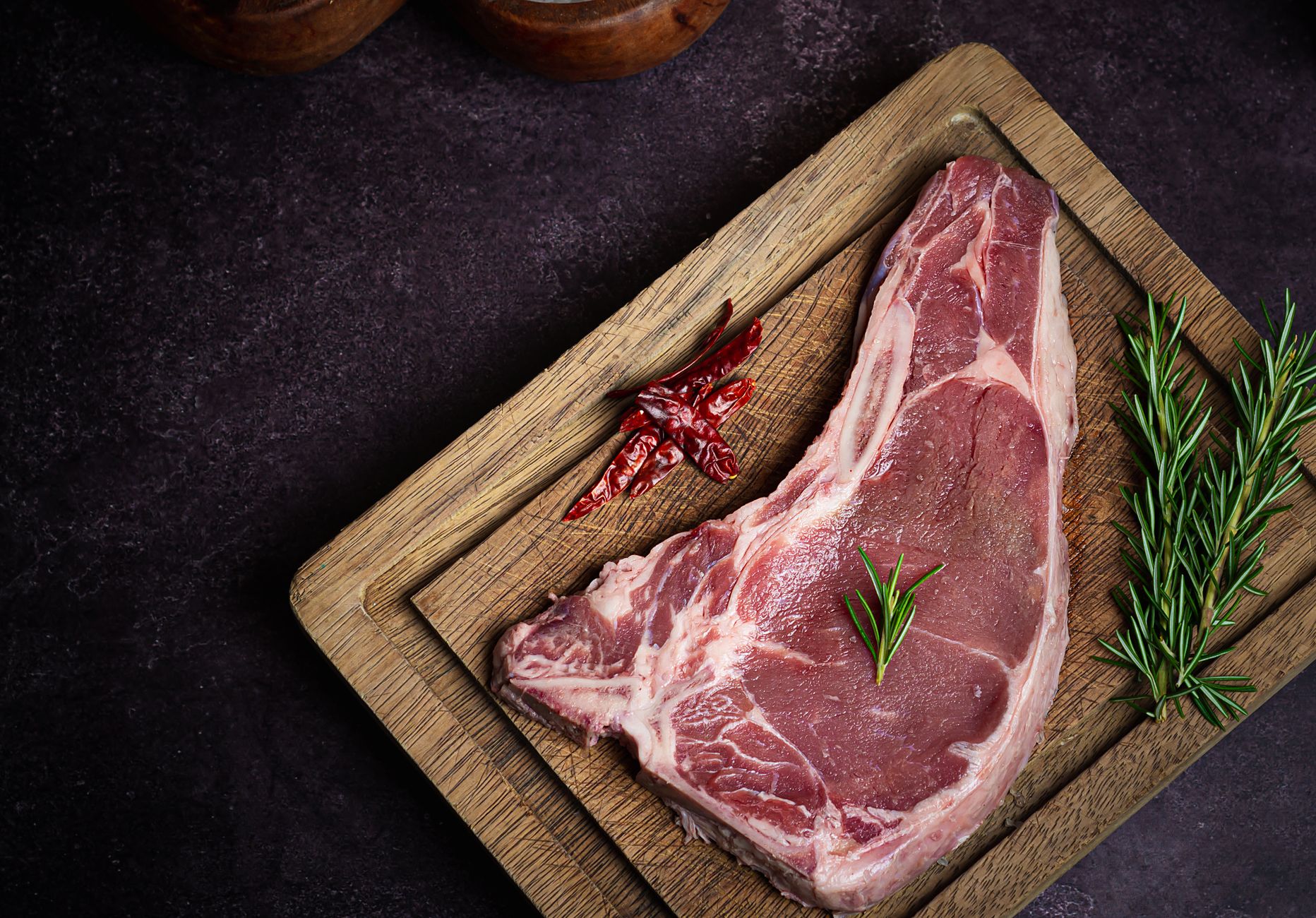
Dry-aging beef is a traditional technique that concentrates flavor and changes the texture of certain cuts. As beef rests in carefully controlled conditions, moisture gradually evaporates while natural enzymes help break down some of the muscle structure. The result can be a more concentrated, savory flavor and a distinctive texture.
However, aging beef at home requires much more care than simply leaving a steak in the refrigerator. Temperature, humidity, cleanliness, airflow, and the condition of the original beef all matter. A purpose-built dry-aging refrigerator is considerably safer and more predictable than attempting the process in an ordinary household refrigerator.
Choose The Right Cut
Successful dry aging generally starts with a large, intact cut rather than individual steaks. Bone-in or bone-out subprimals with a substantial layer of exterior fat provide more protection during the aging process.
Avoid trying to age thin steaks or small pieces of beef. They have considerably less protection against moisture loss and spoilage, leaving little usable meat after trimming.
The beef should also be fresh, intact, and obtained from a reputable source. If the package is damaged, the meat has been mishandled, or there are already signs of spoilage, aging is not an appropriate way to salvage it.
Use Proper Equipment
A dedicated dry-aging refrigerator or purpose-built chamber is the safest choice for home aging. These appliances are designed to maintain stable environmental conditions and provide appropriate air circulation.
A standard refrigerator is generally not ideal. Household refrigerators experience frequent temperature changes, contain foods with strong odors, and may not provide the humidity and airflow required for controlled dry aging.
Before beginning, make sure all shelves, racks, containers, and surfaces that will contact the beef are thoroughly cleaned according to the equipment manufacturer’s instructions.
Control The Environment
Dry aging depends on maintaining a consistently cold, controlled environment. Humidity and airflow are equally important because the goal is gradual moisture loss without creating conditions that encourage unwanted microbial growth.
Don’t attempt to improvise environmental conditions with room-temperature storage or an unreliably cold refrigerator. Food-safety problems can develop without obvious warning signs.
Important considerations include:
- Consistently cold temperatures.
- Controlled humidity.
- Continuous, appropriate airflow.
- Clean food-contact surfaces.
- A chamber designed specifically for dry aging.
Give The Beef Enough Time
Dry aging isn’t an overnight process. Depending on the desired characteristics and the equipment being used, aging can take several weeks.
Shorter aging periods generally produce a relatively subtle change, while longer periods create increasingly concentrated flavors and a more pronounced dry-aged character. However, longer does not automatically mean better.
Follow the instructions provided with your dry-aging equipment and use established food-safety guidance rather than relying on appearance alone to decide whether beef is safe.
Monitor The Beef Carefully
During aging, the exterior of the beef will change substantially. A dry, darkened outer surface is expected as moisture leaves the meat.
That doesn’t mean every unusual appearance or smell is harmless, however. If something appears inconsistent with the equipment manufacturer’s instructions or established food-safety guidance, don’t taste the meat to determine whether it is safe.
Keep the aging chamber closed as much as practical and avoid unnecessary handling. Maintaining stable conditions is part of the process.
Trim And Prepare The Beef
Once the intended aging period is complete, the dried exterior must be removed before the usable interior is portioned. This trimming process can result in a significant amount of weight loss, which is one reason large cuts are generally preferred.
Use clean equipment and a sanitary work surface when trimming. The goal is to remove the dried exterior and any portions that are unsuitable for eating while preserving the flavorful interior.
Home dry aging isn’t a good project for experimenting with questionable meat. If there is any doubt about the safety of the finished product, the safest choice is to discard it rather than risk foodborne illness.
Conclusion
Dry aging can produce exceptionally flavorful beef, but it is a specialized food-preservation technique rather than simply storing meat in a refrigerator. Choosing an appropriate cut, using purpose-built equipment, maintaining controlled conditions, monitoring the process, and trimming the finished beef carefully are all important. For beginners, following the manufacturer’s instructions and established food-safety recommendations is considerably more important than trying to extend the aging period for a stronger flavor.



Leave a Reply