
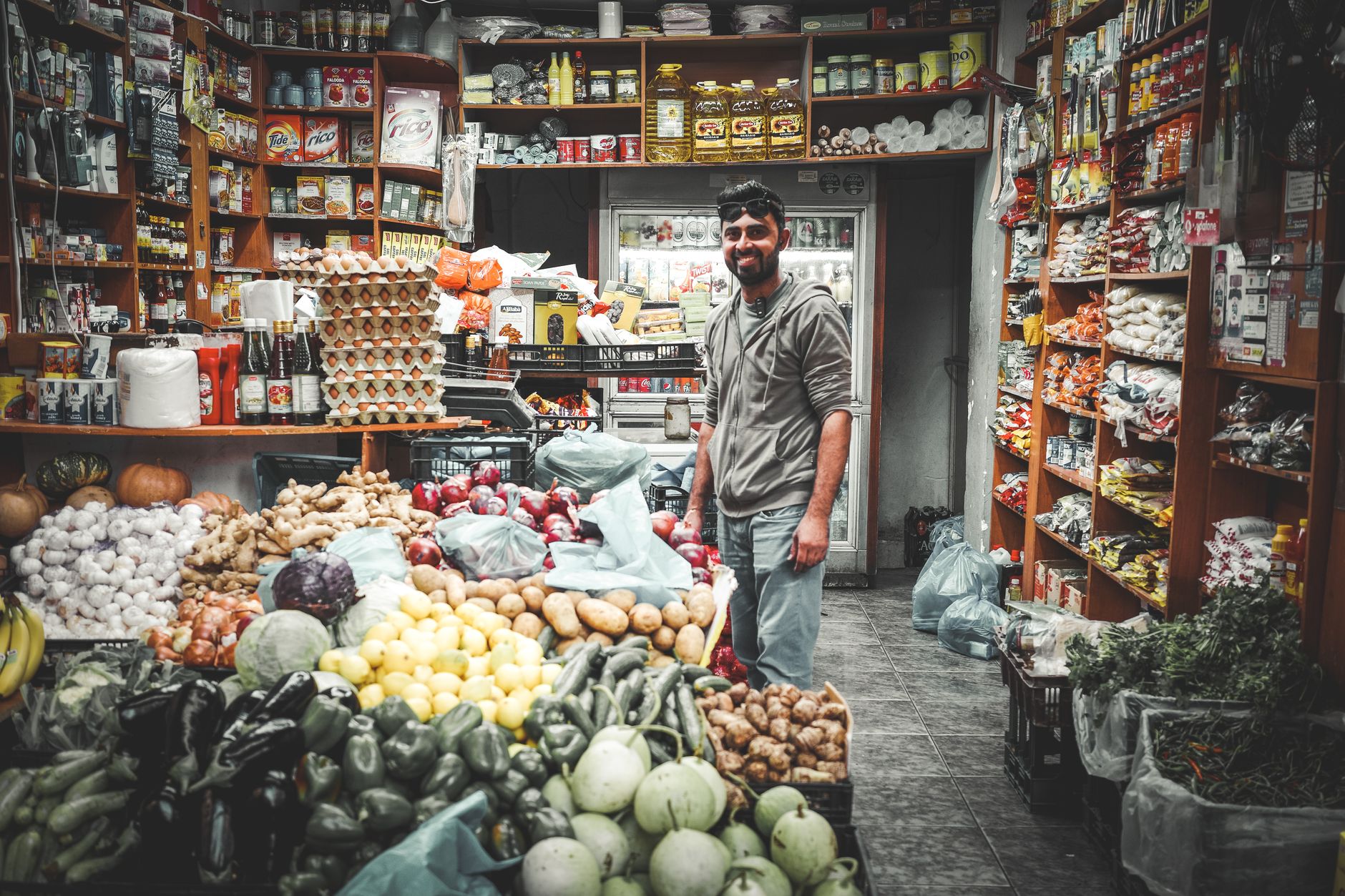
American grocery stores depend heavily on international food suppliers, particularly for products that cannot be produced domestically in sufficient quantities year-round. That makes imported foods vulnerable to shipping disruptions, tariffs, climate problems, currency swings, and geopolitical tensions. The U.S. Department of Agriculture tracks billions of dollars in annual food imports, with tropical products, coffee, cocoa, fruits, vegetables, and other specialty foods representing important parts of the supply chain.
That doesn’t mean these foods will actually disappear in 2027. Rather, they are categories that could face reduced availability, higher prices, or fewer brands and varieties if current supply pressures continue.
Coffee From Central And South America
Coffee has already become one of the most vulnerable imported grocery products. The United States relies heavily on foreign-grown coffee because the climate needed for large-scale coffee production isn’t available domestically.
USDA data show that coffee imports are among the major tropical food categories entering the country, while global prices have risen substantially. Climate-related production problems and shipping disruptions could make certain origins or specialty varieties particularly difficult to find.
Cocoa And Imported Chocolate
Chocolate could become another noticeably smaller category if international cocoa supplies remain constrained. Cocoa production is concentrated in tropical regions, meaning American farmers cannot simply replace overseas supplies when harvests decline.
Recent analysis has identified cocoa among the commodities particularly exposed to climate-related production problems. An intensifying El Niño pattern could further affect cocoa yields in major growing regions, potentially creating additional supply pressure into 2027.
Imported Olive Oils
Olive oil is another grocery staple that depends on agricultural conditions overseas. Mediterranean production can be affected by drought, heat, water shortages, and other extreme weather events.
Even when olive oil remains available, supply problems can cause retailers to carry fewer varieties or replace premium imported products with less expensive alternatives. That makes specialty oils particularly vulnerable if costs continue rising.
Imported Tropical Fruits
Mangoes, pineapples, papayas, and other tropical fruits are heavily dependent on international growing regions. Unlike wheat or corn, these crops cannot easily be substituted with large-scale domestic production.
The USDA notes that seasonal and climatic factors are major drivers of U.S. imports of fruits and other tropical products. Recent food-supply problems involving imported produce have also highlighted the vulnerability of international agricultural networks.
Imported Seafood
Shrimp, certain fish, and other seafood products could face continued pressure from transportation costs, tariffs, environmental conditions, and changing international trade policies.
Seafood supply chains are particularly complicated because products can travel through multiple countries between harvest and supermarket. Changes affecting one major exporting region can therefore influence availability far beyond that country’s borders.
Specialty Imported Cheeses
European cheeses could become harder to find if tariffs, transportation costs, or other trade barriers make importing them less attractive to American retailers.
This doesn’t mean cheese will vanish from grocery stores. Domestic producers can supply many varieties, and major imported brands may continue paying the additional costs. However, niche cheeses with relatively small sales volumes are more vulnerable to being dropped from supermarket inventories.
Trade policy is especially important here because tariffs can make imported products substantially more expensive. Recent U.S.-Canada measures, for example, have demonstrated how quickly food-related trade policies can change.
Imported Spices And Seasonings
Specialty spices are another category that could quietly shrink if international supply chains become more expensive or unreliable. Many spices cannot be grown commercially in the United States at the scale necessary to replace imports.
Products such as specialty peppers, saffron, cardamom, and certain curry ingredients depend on overseas growers and processors. Federal trade documents have specifically recognized that some products have limited domestic availability, illustrating why exemptions can sometimes be necessary when tariffs threaten supplies.
Shoppers could notice the change through fewer brands, smaller packages, higher prices, or temporary gaps rather than complete disappearance.
Conclusion
The grocery products most vulnerable in 2027 are not necessarily foods facing an imminent nationwide disappearance. Instead, coffee, cocoa, olive oil, tropical fruit, seafood, specialty cheeses, and imported spices all depend substantially on international supply chains. Climate disruption, tariffs, transportation costs, and geopolitical uncertainty could make some varieties harder to find. For shoppers, the most noticeable result may ultimately be higher prices and fewer choices rather than completely empty shelves.



Leave a Reply