
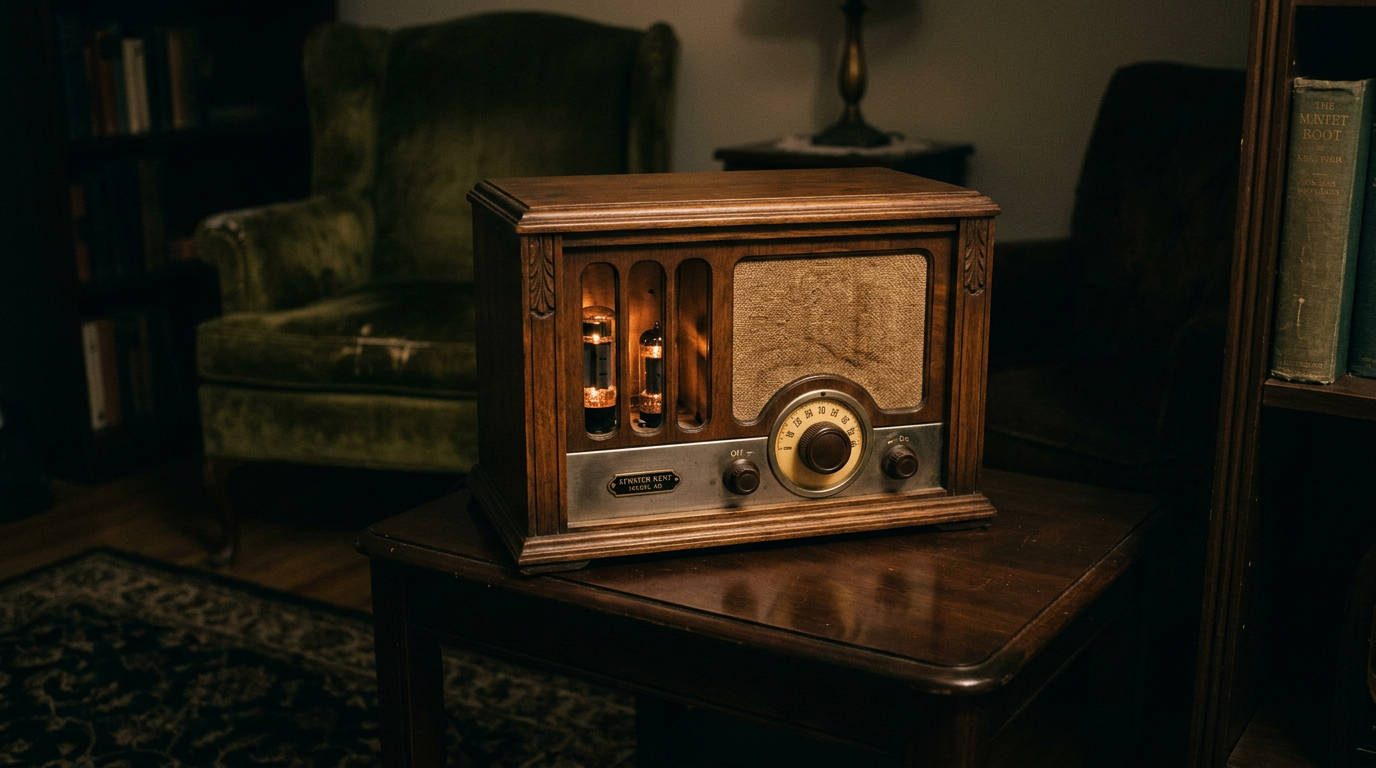
Long before television brought live sports into living rooms, radio transformed the way fans followed their favorite teams and athletes. Early broadcasters faced significant challenges, including limited technology, primitive equipment, and audiences unfamiliar with listening to play-by-play commentary. Despite these obstacles, pioneering radio stations proved that live sports could captivate listeners far beyond the stadium.
The earliest sports broadcasts helped establish traditions that continue today. Here are five of the first sporting events ever broadcast on radio and why they were so important to sports media history.
The 1921 Dempsey-Carpentier Heavyweight Championship Fight
One of the most significant early sports broadcasts was the heavyweight boxing match between champion Jack Dempsey and challenger Georges Carpentier on July 2, 1921.
The fight took place in Jersey City, New Jersey, and attracted enormous public interest. Recognizing the event’s popularity, radio station KDKA arranged a live broadcast that reached thousands of listeners who could not attend in person.
The success of the broadcast demonstrated radio’s ability to bring major sporting events to a mass audience. Many historians consider it one of the first truly landmark live sports broadcasts and a turning point for both radio and professional sports.
The 1921 Pittsburgh Pirates Vs. Philadelphia Phillies Baseball Game
Baseball quickly became one of radio’s most popular attractions. On August 5, 1921, a game between the Pittsburgh Pirates and Philadelphia Phillies was broadcast by KDKA.
At the time, listeners were fascinated by the idea of receiving live updates directly from the ballpark rather than waiting for newspaper reports the next day.
The broadcast helped establish the format for future baseball coverage. Announcers learned how to describe pitches, fielding plays, and crowd reactions in vivid detail, creating a listening experience that brought the game to life.
The 1921 Penn State Vs. University Of Pittsburgh Football Game
College football also played an important role in radio’s early development. In October 1921, a matchup between Penn State and the University of Pittsburgh became one of the first football games aired live.
Football presented unique challenges for broadcasters because of the sport’s complexity and rapid action. Announcers had to explain formations, field position, and strategy in real time.
The successful broadcast demonstrated that even complicated sporting events could be effectively communicated through audio alone. This helped pave the way for football’s eventual rise as a radio powerhouse.
The 1922 World Series
By 1922, radio technology had improved enough to tackle one of the nation’s biggest sporting spectacles: the World Series.
The championship matchup between the New York Giants and the New York Yankees attracted widespread attention. Broadcasting the series allowed fans across the country to experience baseball’s biggest event without traveling to the stadium.
Several factors made the World Series broadcasts especially influential:
- National interest in the event
- Improved radio technology
- Growing ownership of home radio sets
- Increased demand for live sports coverage
The success of these broadcasts helped convince teams, leagues, and stations that sports programming could become a major business opportunity.
The 1927 Rose Bowl
The Rose Bowl was already one of college football’s premier events when it became one of the first major bowl games broadcast nationally on radio.
Played on New Year’s Day, the game attracted listeners from coast to coast. The ability to hear a major sporting event unfold live created excitement that newspapers alone could not match.
The Rose Bowl broadcast showcased how radio could unite fans across vast distances. It also highlighted the growing importance of sponsorships and commercial opportunities tied to major sporting events.
By the late 1920s, radio broadcasts of football games had become a central part of the American sports experience.
Conclusion
The earliest sports radio broadcasts changed the relationship between fans and athletic competition forever. Events such as the Dempsey-Carpentier fight, early baseball and football broadcasts, the World Series, and the Rose Bowl proved that live audio coverage could capture the drama and excitement of sports. These pioneering broadcasts laid the foundation for modern sports media and helped transform radio into one of the most influential forms of entertainment in the twentieth century.




Leave a Reply