
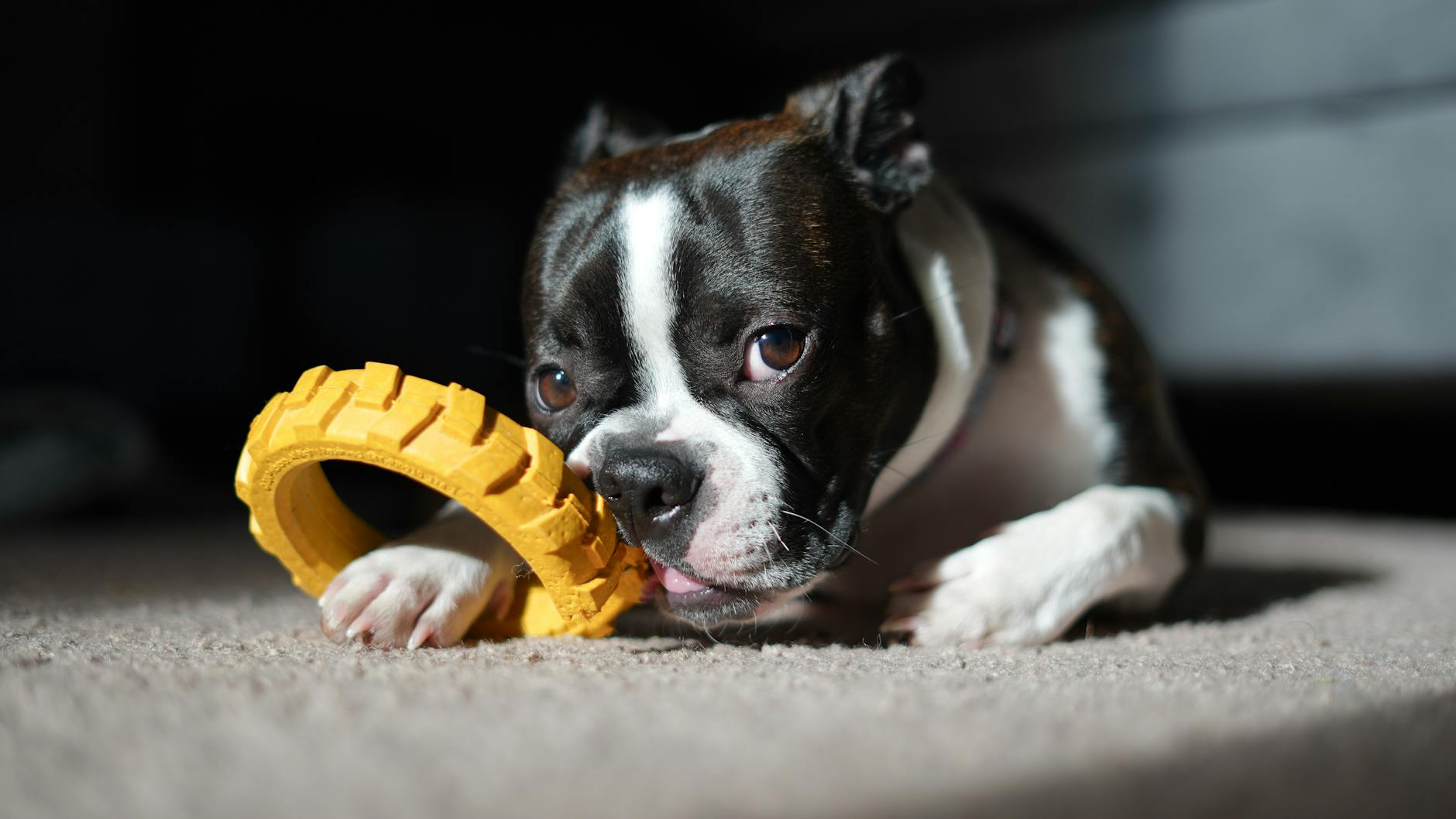
Dogs love to chew. It’s a natural behavior that helps relieve boredom, reduce stress, and maintain dental health. However, not every chew toy marketed for dogs is actually safe. Some toys can break teeth, create choking hazards, or cause dangerous intestinal blockages if swallowed.
Veterinarians often recommend selecting toys based on a dog’s size, chewing strength, and play style. While no toy is completely risk-free, certain types consistently raise concerns among pet experts.
Cooked Animal Bones
Many people assume bones are the ultimate chew toy for dogs.
Unfortunately, cooked bones can become brittle and splinter easily. When a dog chews on them, sharp fragments may break off and create serious hazards. These pieces can damage the mouth, throat, stomach, or intestines.
Cooked chicken, turkey, pork, and rib bones are particularly problematic. What starts as a tasty treat can quickly turn into a veterinary emergency.
Safer alternatives specifically designed for canine chewing are widely available.
Antlers That Are Too Hard
Deer and elk antlers have become increasingly popular among dog owners.
While some dogs enjoy them, veterinarians frequently warn that antlers can be harder than a dog’s teeth. Powerful chewers may crack or fracture their teeth while attempting to gnaw on them.
Dental repairs for broken teeth can be expensive and painful for pets. If a chew toy cannot be slightly dented with a fingernail, it may be too hard for many dogs.
The risk often outweighs the potential benefits.
Rawhide Chews Of Poor Quality
Rawhide remains one of the most common dog chews on the market.
However, some low-quality rawhide products can soften into large, slippery pieces that are easily swallowed. These chunks may become lodged in the digestive tract and create dangerous blockages.
Not all rawhide products are equally risky, but owners should supervise dogs carefully and remove large pieces before they can be swallowed.
Many veterinarians now recommend safer digestible alternatives.
Tennis Balls For Aggressive Chewers
Dogs love chasing and chewing tennis balls.
The problem is that tennis ball felt can act like sandpaper on teeth when dogs chew aggressively. Over time, this abrasive surface may contribute to excessive tooth wear.
Additionally, determined chewers may tear apart the ball and ingest pieces of rubber or felt.
Tennis balls are generally better suited for fetch than extended chewing sessions.
Toys With Small Detachable Parts
Some dog toys contain squeakers, plastic eyes, ribbons, or decorative pieces.
While these additions may appeal to owners, they can present significant risks for pets. Dogs often focus on removing these components, which can then become choking hazards or cause intestinal blockages if swallowed.
Before purchasing a toy, inspect it carefully for any small parts that could come loose during play.
Durability should always take priority over appearance.
Hard Plastic Chew Toys
Certain hard plastic toys are marketed as nearly indestructible.
Although durability sounds appealing, excessively rigid plastic can place tremendous pressure on a dog’s teeth. Large breeds and aggressive chewers are especially vulnerable to dental injuries.
A toy should be tough enough to withstand chewing while still offering a small amount of flexibility.
Many safer materials provide durability without the same risk of tooth fractures.
Children’s Toys Not Designed For Dogs
Some owners give dogs old toys intended for children.
Unfortunately, products not specifically designed for pets often contain materials that cannot withstand canine chewing. They may break apart easily, exposing stuffing, batteries, strings, or plastic fragments.
Several warning signs indicate a toy may be unsafe:
- Sharp edges
- Small detachable pieces
- Easily shredded material
- Hard, inflexible surfaces
- Components that can be swallowed
Dog-specific toys are generally tested with canine safety in mind.
Choosing Safer Chew Toys
The best chew toys balance durability with safety.
Many veterinarians recommend selecting toys that are firm but not rock hard. Rubber toys designed for dogs often provide a safer option because they can withstand chewing while reducing the risk of broken teeth.
Regular inspection is also important. Even safe toys can become dangerous once they begin to wear out or break apart.
Replacing damaged toys promptly helps reduce potential hazards.
Conclusion
Chewing is an important part of a dog’s physical and mental well-being, but not all chew toys are created equal. Cooked bones, overly hard antlers, low-quality rawhide, tennis balls used as chew toys, toys with detachable parts, hard plastic products, and children’s toys can all present risks. Choosing durable, dog-specific toys and supervising play sessions can help keep your pet entertained while minimizing the chances of injury.




Leave a Reply