
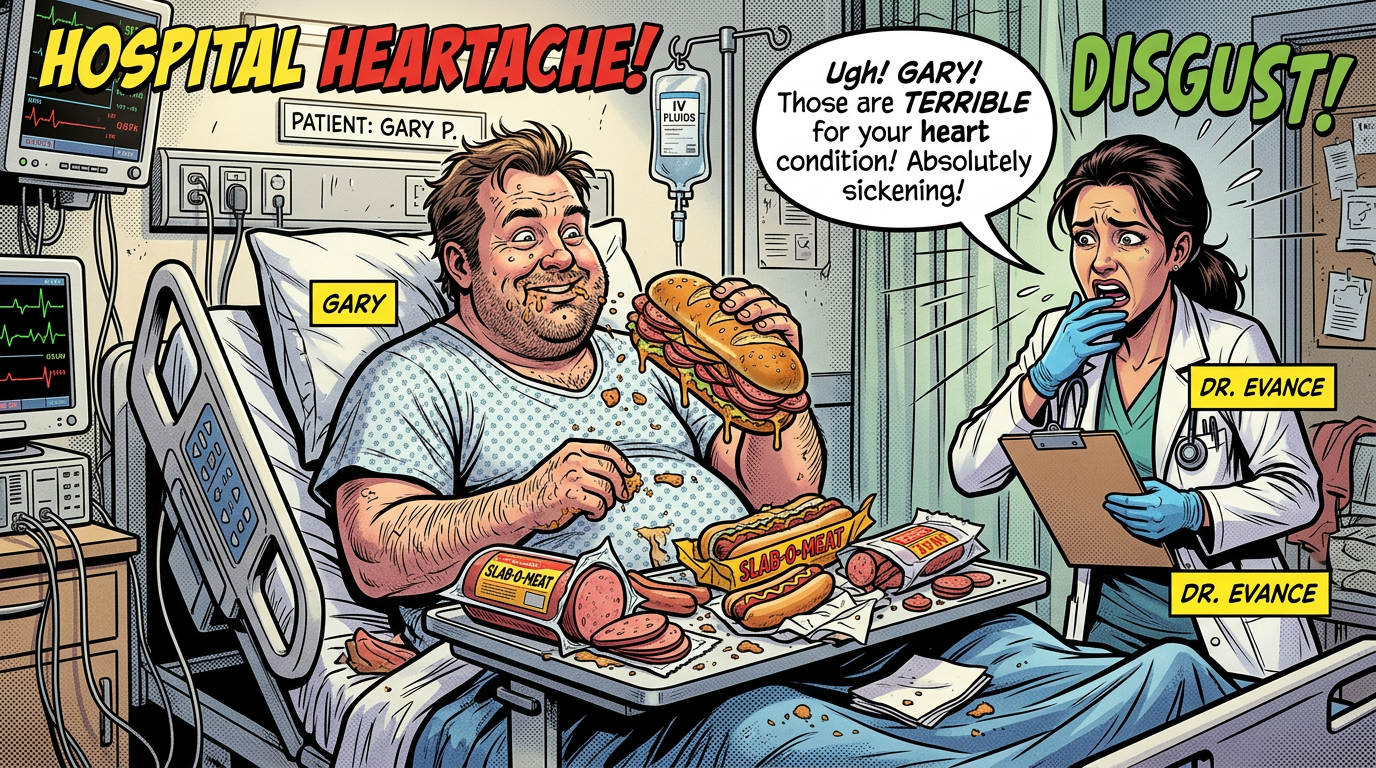
Processed and packaged meats have long been a staple in American households. They’re convenient, affordable, and easy to prepare, making them a popular choice for busy families. However, growing research has raised concerns about the potential health risks associated with frequent consumption of certain processed meat products.
In 2015, the World Health Organization’s International Agency for Research on Cancer classified processed meat as carcinogenic to humans, citing evidence that regular consumption may increase the risk of colorectal cancer. While enjoying these foods occasionally is unlikely to pose a major risk, consistently eating large amounts may contribute to long-term health concerns.
Bacon
Bacon remains one of the most beloved breakfast foods in the world.
Unfortunately, it is also one of the most heavily processed meats available. Traditional bacon is typically cured using salt, preservatives, and nitrates or nitrites. During cooking, particularly at high temperatures, additional compounds may form that researchers believe could contribute to cancer risk.
Many consumers enjoy bacon in moderation, but frequent consumption has been associated with increased colorectal cancer risk in numerous studies.
Reducing portion sizes and treating bacon as an occasional indulgence rather than a daily staple may be a prudent approach.
Hot Dogs
Hot dogs are a classic convenience food found at cookouts, sporting events, and family gatherings.
Most hot dogs are made from processed meat mixtures that undergo curing, smoking, or preservation techniques. These processes can create compounds that have been linked to increased cancer risk when consumed regularly over long periods.
Because hot dogs are often inexpensive and easy to prepare, they can become a frequent part of some diets.
Health experts generally recommend limiting processed meat intake and choosing less-processed protein sources more often.
Deli Ham
Pre-sliced deli ham is a popular sandwich ingredient due to its convenience and long shelf life.
Like many processed meats, deli ham often contains sodium, preservatives, nitrates, and nitrites. While these ingredients help maintain freshness and flavor, they may also contribute to health concerns when consumed excessively.
Many people underestimate how much processed meat they consume because deli meats are often viewed as healthier than products like bacon or sausage.
However, frequent deli meat consumption can still contribute significantly to overall processed meat intake.
Pepperoni
Pepperoni is commonly found on pizzas, snack trays, and packaged convenience foods.
The meat undergoes curing and processing methods similar to those used for many other preserved meats. It is also often high in sodium and saturated fat, factors that can contribute to broader health concerns.
Because pepperoni is frequently consumed alongside other processed foods, its health impact may be compounded by an overall less-balanced dietary pattern.
Moderation remains an important consideration.
Sausage Links
Breakfast sausage and smoked sausage products are popular throughout the United States.
Many varieties contain preservatives, flavor enhancers, and curing agents that classify them as processed meats. Research examining processed meat consumption frequently includes sausage products among the foods associated with increased colorectal cancer risk.
Several factors contribute to concerns about processed meats:
- Nitrates and nitrites
- Smoking and curing processes
- High sodium content
- Certain compounds formed during cooking
- Frequent long-term consumption
These concerns do not mean sausage must be completely avoided, but moderation is generally encouraged.
Packaged Salami
Salami is a cured sausage product that can remain shelf-stable for extended periods.
The curing process gives salami its distinctive flavor and texture but also places it within the category of processed meats that researchers have studied extensively. Salami often contains substantial amounts of sodium and preservatives.
Because it is frequently served in sandwiches, charcuterie boards, and snack packs, portions can add up quickly without consumers realizing it.
Choosing fresh, minimally processed proteins more often can help reduce overall exposure.
What Makes Processed Meats Different?
Fresh meat and processed meat are not viewed the same way by researchers.
Processed meats are generally defined as meats that have been salted, cured, smoked, fermented, or otherwise preserved to enhance flavor or extend shelf life. These methods can create compounds that have been associated with increased cancer risk when consumed regularly.
The key concern is long-term dietary patterns rather than occasional consumption.
Conclusion
Bacon, hot dogs, deli ham, pepperoni, sausage links, and packaged salami are among the processed meats most commonly discussed in research examining colorectal cancer risk. While enjoying these foods occasionally can fit into many diets, frequent consumption may increase health risks over time. Focusing on moderation and incorporating more fresh, minimally processed protein sources can help support a balanced and nutritious eating plan.



Leave a Reply