
Not all cuts of meat offer the same value. While grocery stores stock everything from premium steaks to bargain-bin specials, some cuts simply aren’t worth your money. In many cases, these cuts are overpriced, difficult to cook properly, or available in much higher quality from local butchers.
That doesn’t necessarily mean these cuts are bad. Rather, they often represent poor value compared to alternatives that deliver better flavor, tenderness, and consistency for a similar price.
Filet Mignon
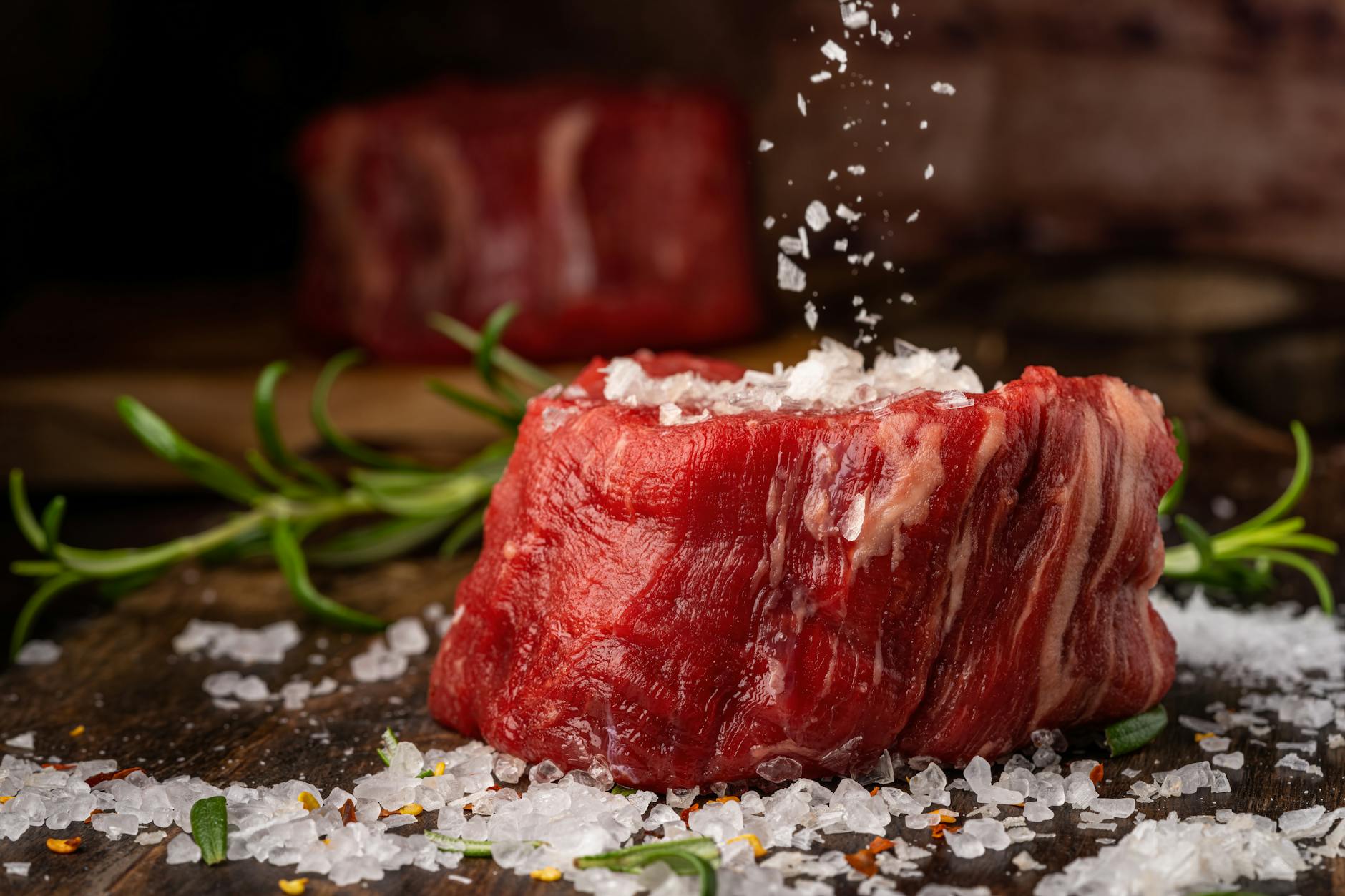
Filet Mignon is frequently marketed as the ultimate luxury steak.
Filet Mignon is undeniably tender, but many grocery stores charge premium prices that far exceed its actual flavor profile. The cut comes from a muscle that does very little work, resulting in tenderness but relatively mild beef flavor.
For the same price, shoppers can often purchase ribeye or strip steak that delivers far more richness and marbling.
Many professional chefs prefer more flavorful cuts despite filet’s reputation.
Pre-Cut Beef Stir-Fry Strips
Pre-Cut Beef Stir-Fry Strips often look convenient in the meat case.
Pre-Cut Beef Stir-Fry Strips are frequently made from miscellaneous trimmings that vary widely in quality and tenderness. Because the cuts are inconsistent, cooking results can be unpredictable.
Buying a whole sirloin steak and slicing it yourself often produces better results while saving money.
The convenience usually comes with a noticeable markup.
Thin-Cut Breakfast Steaks
Thin-Cut Breakfast Steaks are commonly sold in family packs.
Thin-Cut Breakfast Steaks tend to dry out quickly during cooking because of their minimal thickness. Many grocery store versions are cut from lower-quality sections of beef.
The result is often a chewy, overcooked steak that lacks the texture most consumers expect.
A slightly thicker sirloin or flat iron steak is usually a better choice.
Boneless Pork Chops
Boneless Pork Chops are among the most popular pork products sold in supermarkets.
Boneless Pork Chops are frequently cut very lean, leaving little fat to provide flavor and moisture during cooking.
Because they cook so quickly, they are easy to overcook and can become dry within minutes.
Bone-in pork chops generally provide better flavor and a more forgiving cooking experience.
Several grocery store meat cuts often disappoint because they offer:
- Poor value for the price
- Inconsistent quality
- Limited marbling
- Easy overcooking
- Lower flavor intensity
Understanding these issues can help shoppers make smarter purchases.
Cube Steak
Cube Steak is often marketed as an inexpensive dinner solution.
Cube Steak is typically made from tougher cuts that have been mechanically tenderized. While the process improves texture somewhat, the meat often remains chewy if not cooked carefully.
Many shoppers purchase cube steak expecting it to perform like a premium steak and end up disappointed.
Slow-cooking cuts such as chuck roast often provide better value and flavor.
Grocery Store Brisket Flats
Grocery Store Brisket Flats can be problematic for barbecue enthusiasts.
Grocery Store Brisket Flats are often sold without the fattier point section that helps keep the meat moist during long cooking sessions.
Without sufficient fat, the brisket can become dry and difficult to cook properly.
Many dedicated barbecue cooks prefer purchasing whole packer briskets from warehouse stores, butcher shops, or specialty meat suppliers.
The additional fat content generally leads to much better results.
Better Alternatives To Consider
Shoppers looking for maximum value often have better luck with:
- Ribeye steaks
- Flat iron steaks
- Chuck roasts
- Bone-in pork chops
- Whole briskets
These cuts frequently offer better flavor and cooking performance.
Many are also easier to prepare successfully at home.
Conclusion
Filet mignon, pre-cut stir-fry strips, thin-cut breakfast steaks, boneless pork chops, cube steak, and grocery store brisket flats often represent poor value compared to better alternatives. Whether due to high prices, inconsistent quality, or cooking challenges, these cuts frequently leave shoppers disappointed. Understanding which cuts provide the best balance of flavor, tenderness, and value can help consumers make smarter purchases at the meat counter.


Leave a Reply