
High-end steak cuts often come with premium price tags that don’t always match the eating experience. While some cuts are famous for tenderness and flavor, others are priced more for scarcity, branding, or restaurant prestige than actual culinary value.
For everyday home cooks and even steakhouse diners, there are often more affordable cuts that deliver equal or better flavor and texture when cooked properly.
Filet Mignon
Filet mignon is often considered the most tender cut of beef, but that tenderness comes with trade-offs.
Filet mignon is taken from the tenderloin, a muscle that does very little work, which results in a soft but relatively mild flavor.
Many diners find that filet mignon lacks the rich beefy taste found in other cuts.
Because of its popularity in fine dining, it is also significantly overpriced compared to its culinary depth.
Instead of filet mignon, a well-prepared ribeye cap or strip steak often delivers more flavor at a lower cost.
Wagyu Ribeye
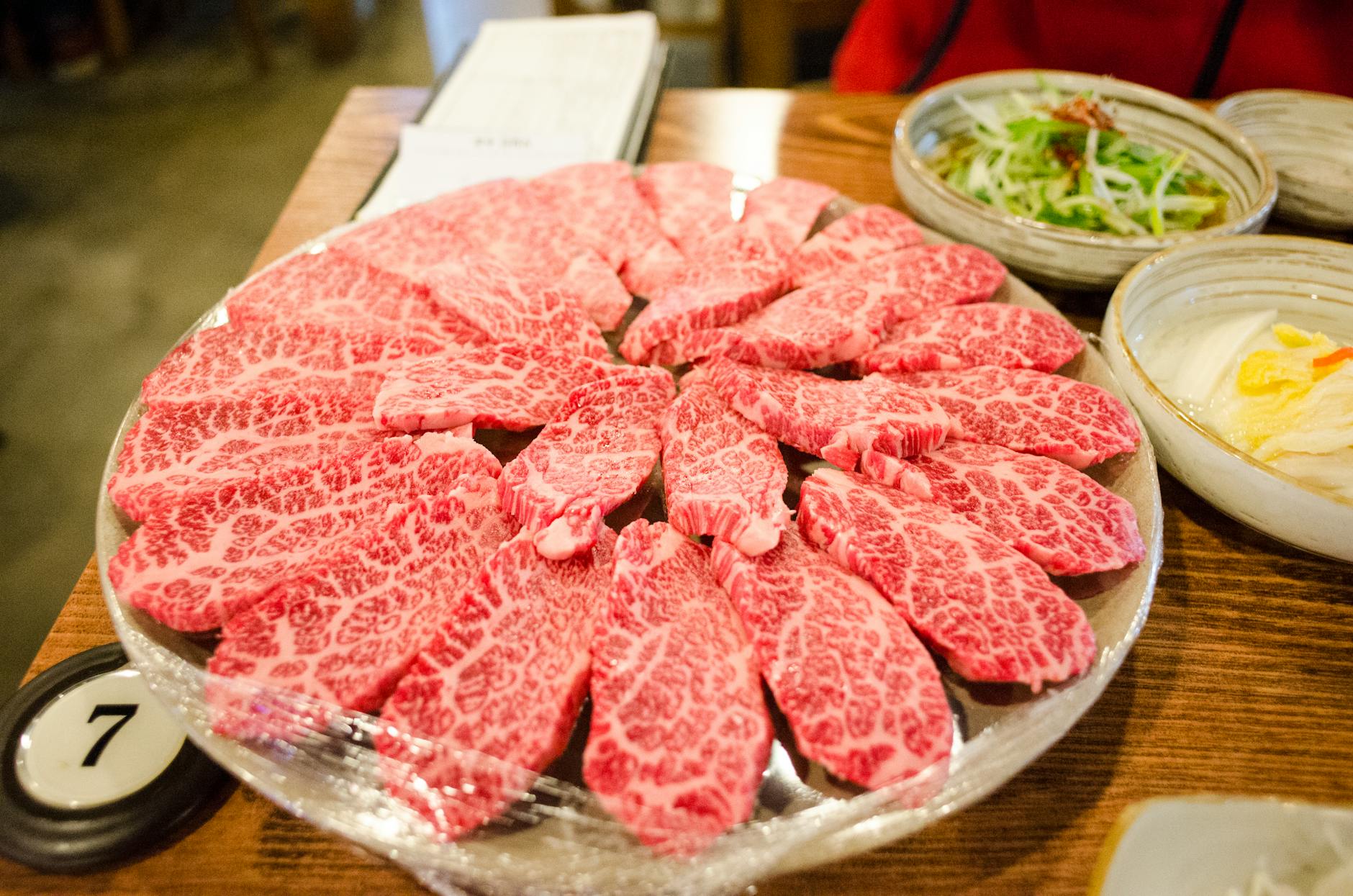
Wagyu ribeye is famous for its intense marbling and extremely high price point.
Wagyu beef is imported or specially raised, and its fat distribution creates a buttery texture that can feel overwhelming in large portions.
While luxurious, the extreme richness can make it difficult to eat more than a few bites without feeling saturated.
In many cases, a high-quality domestic ribeye offers similar satisfaction at a fraction of the cost.
The difference in enjoyment often doesn’t justify the dramatic price increase for everyday meals.
Porterhouse Steak
Porterhouse steaks combine two different cuts in one large steak: strip and tenderloin.
Porterhouse steaks are impressive in size but often inconsistent in texture and doneness across the cut.
The tenderloin side can be bland, while the strip side may cook faster, making even cooking more challenging.
Because you are paying for presentation and size, the value per bite can be lower than expected.
A simple New York strip steak often provides more consistent flavor and easier cooking results.
Tomahawk Steak
Tomahawk steaks are visually dramatic thanks to their long rib bone and oversized presentation.
Tomahawk steaks are essentially ribeye steaks with an extended bone left intact for appearance.
The added bone does not contribute flavor proportional to its cost increase.
Much of the price is tied to presentation and restaurant marketing rather than improved taste.
A standard ribeye delivers nearly identical flavor and marbling at a much lower price point.
Several factors often make certain premium cuts less cost-effective:
- High price driven by presentation
- Marketing-driven demand
- Comparable flavor available in cheaper cuts
- Large portions that are difficult to finish
These factors often inflate perceived value rather than actual eating quality.
Striploin (Premium Restaurant Markup)
Striploin steaks are popular in steakhouses but often heavily marked up.
Striploin, also known as New York strip, is flavorful and firm, but its value depends heavily on where it is purchased.
In high-end restaurants, striploin pricing can be significantly inflated compared to grocery store pricing for the same cut.
Because it is relatively easy to cook and widely available, diners may pay more for ambiance than quality.
Buying and preparing striploin at home often delivers better value and equal taste.
Smarter Alternatives For Better Value
Instead of spending heavily on premium cuts, consider:
- Ribeye cap steak for rich marbling and flavor
- Flat iron steak for tenderness at lower cost
- Chuck eye steak for budget-friendly ribeye-like taste
- Skirt or flank steak for bold beef flavor when marinated
These cuts often outperform expensive steaks when properly seasoned and cooked.
Conclusion
Filet mignon, Wagyu ribeye, porterhouse, tomahawk steaks, and restaurant-priced striploin often carry premium costs that don’t always reflect better eating experiences. In many cases, alternative cuts offer stronger flavor, better value, and more consistent results for everyday cooking and dining.



Leave a Reply