
Concerns about pesticide residues in food have grown in recent years, especially regarding glyphosate-based herbicides like Roundup. While regulatory agencies set limits on allowable residues, trace amounts can still be detected in some conventionally grown crops used in processed foods.
Pasta products are generally considered safe and heavily regulated, but they are made from wheat, a crop that is sometimes treated with herbicides before harvest in certain farming systems. This practice, known as pre-harvest desiccation, has led to discussions about potential residue levels in wheat-based foods.
It is important to note that not all pasta contains pesticide residues, and levels vary widely depending on farming practices, sourcing, and certification standards. Still, some conventional pasta products are more likely to come from grain supply chains where herbicide use is more common.
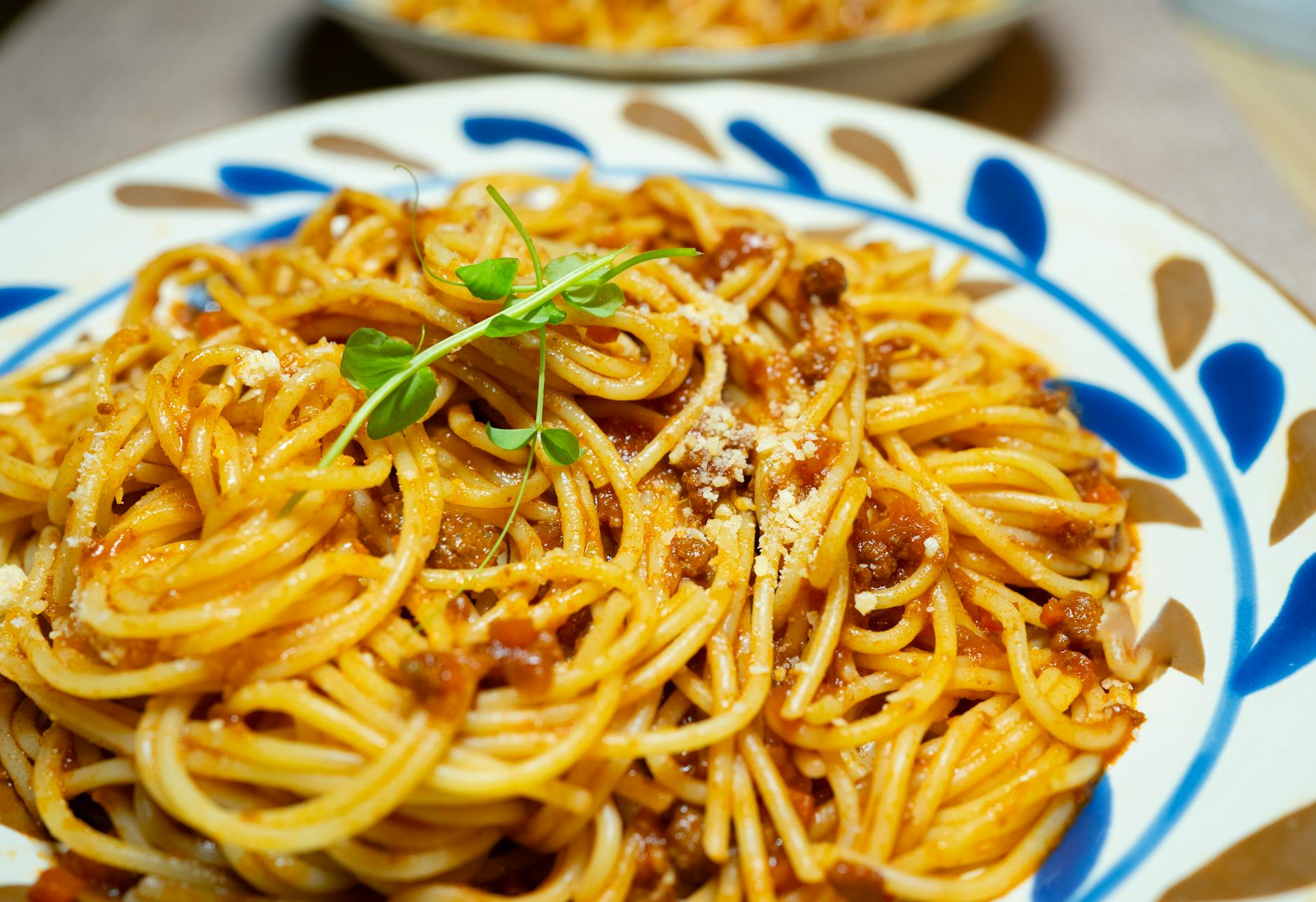
Conventional Wheat Spaghetti
spaghetti made from conventionally grown wheat is one of the most widely consumed pasta types in the world.
Because wheat is often treated with herbicides in large-scale agriculture, non-organic spaghetti may carry trace residues depending on farming practices.
In some regions, wheat is sprayed with herbicides like glyphosate shortly before harvest to dry crops more quickly.
This does not mean all conventional spaghetti contains meaningful levels, but it is more likely than certified organic alternatives.
Consumers seeking lower exposure often look for organic or regeneratively farmed wheat products.
Instant Macaroni Products
macaroni used in boxed or instant meals may also come from conventionally treated wheat sources.
These products often prioritize cost efficiency and large-scale ingredient sourcing.
Because of this, they are more likely to rely on commodity wheat rather than specialty or organic grain suppliers.
Highly processed pasta meals may also combine multiple agricultural inputs from large industrial farms.
While still regulated, the sourcing practices can increase the likelihood of trace herbicide exposure.
Whole Wheat Penne
penne pasta made from whole wheat is often marketed as a healthier alternative due to its higher fiber content.
However, whole wheat products can also come from conventionally farmed grain systems.
In some cases, the outer layers of the grain—where residues are more likely to accumulate—are retained in whole wheat flour.
This has led some consumers to question whether whole grain products always reduce exposure.
The nutritional benefits remain strong, but sourcing still matters.
Rotini Pasta From Mass Production Brands
rotini pasta is commonly produced by large commercial pasta brands that source wheat from industrial farming operations.
These large-scale supply chains may include grain grown with herbicide use practices common in conventional agriculture.
Rotini itself does not influence chemical exposure, but its sourcing often overlaps with commodity wheat production systems.
Because of its popularity in boxed meals and salads, it is widely distributed across mass-market supply chains.
Consumers who prioritize organic certification often choose alternative versions.
Several pasta types may be more associated with conventional farming practices:
- Standard wheat spaghetti
- Boxed macaroni products
- Whole wheat penne
- Mass-produced rotini
Farming practices play a larger role than pasta shape itself.
Egg Noodles
egg noodles are another commonly consumed pasta type that may be made with conventionally grown wheat flour.
These noodles are frequently used in soups, casseroles, and comfort food dishes.
Depending on the manufacturer, wheat used in egg noodles may come from large-scale farms where herbicide use is more common.
Egg content does not significantly affect herbicide residue concerns, which are primarily tied to wheat sourcing.
As with other pasta types, organic versions offer an alternative for those seeking reduced exposure.
Why Wheat Farming Practices Matter
Concerns about herbicide residues in pasta often relate to:
- Pre-harvest drying methods
- Large-scale commodity wheat farming
- Differences between organic and conventional agriculture
- Regional farming regulations
These factors influence residue levels more than the pasta product itself.
Conclusion
Spaghetti, macaroni, penne, rotini, and egg noodles made from conventionally grown wheat may have a higher likelihood of trace herbicide exposure depending on farming and processing practices. While regulatory limits are designed to keep food safe, many consumers choose organic pasta options for added peace of mind and reduced exposure to agricultural chemicals.



Leave a Reply