
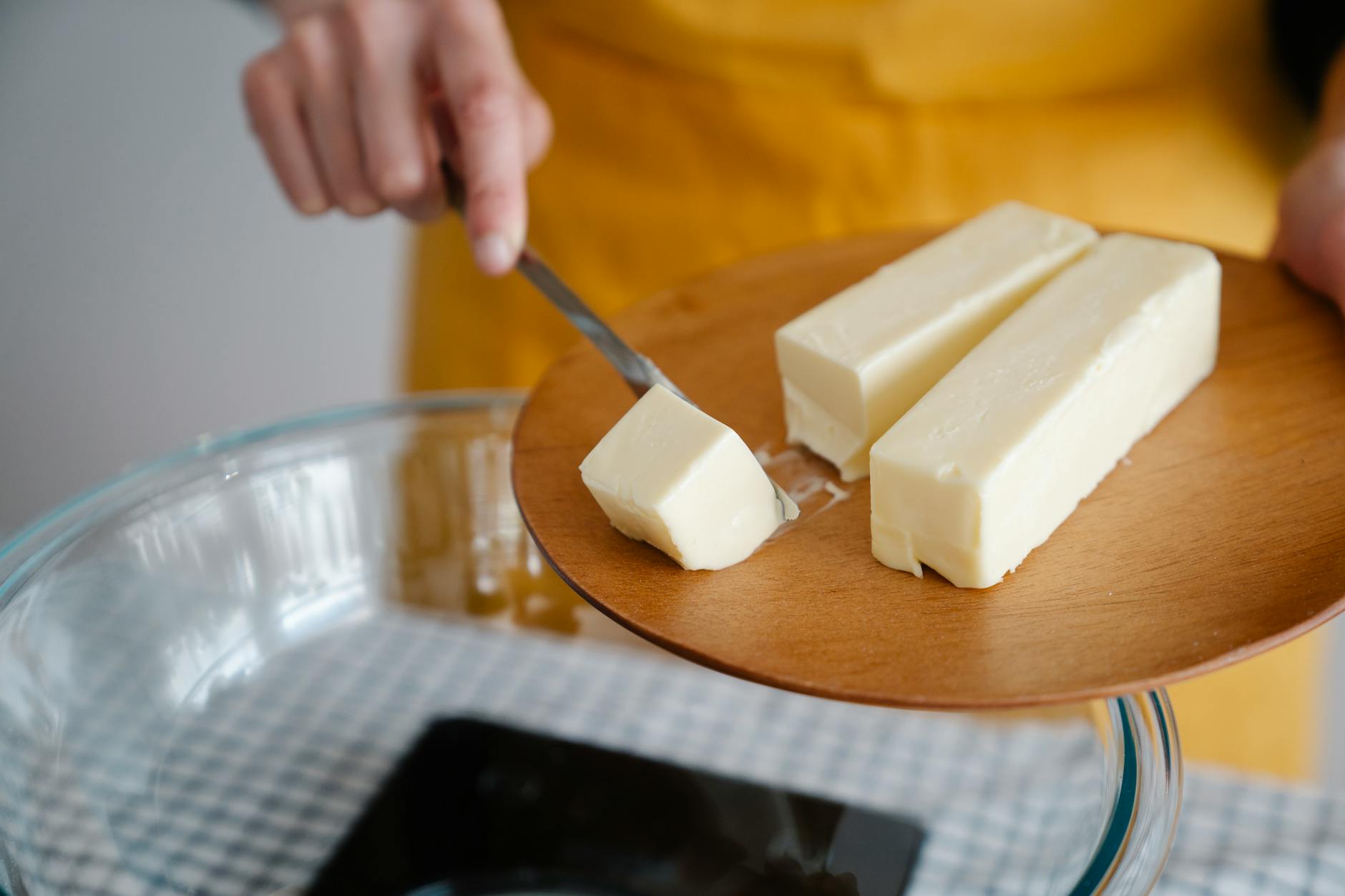
Butter alternatives have become extremely popular as consumers look for lower-fat, dairy-free, or plant-based spreads. These products are often marketed as healthier options for heart health or weight management. However, many alternatives are highly processed and contain refined oils, additives, or emulsifiers that have been studied in relation to long-term dietary health patterns.
It is important to note that no single food directly causes colon cancer. Instead, research focuses on overall dietary patterns, especially those high in ultra-processed foods, low in fiber, and high in certain industrial fats or additives.
Margarine Made With Hydrogenated Oils
Margarine is one of the oldest butter alternatives and was originally developed as a cheaper, shelf-stable fat source.
Older formulations often contained partially hydrogenated oils, which are a source of trans fats linked to negative cardiovascular outcomes.
While many brands have reformulated to remove trans fats, some margarines still rely on highly refined vegetable oils.
These oils can be heavily processed and stripped of natural nutrients.
Frequent consumption of highly processed fats is one dietary pattern researchers continue to monitor in relation to long-term health risks.
Vegetable Oil Spread Blends
Vegetable oil spread are marketed as “heart-healthy” alternatives to butter.
These spreads often contain blends of soybean, corn, or canola oils combined with emulsifiers and stabilizers.
While plant-based, they are still highly refined and industrially processed.
Some nutrition researchers suggest that diets high in ultra-processed oils may contribute to inflammation-related pathways over time.
Their convenience and low cost have made them common household staples.
Coconut Oil Margarine Alternatives
Coconut oil spread is often marketed as a natural or organic butter replacement.
However, coconut oil is very high in saturated fat, which has been linked to elevated LDL cholesterol in many studies.
When used in processed spreads, it is often combined with emulsifiers and flavoring agents.
The combination of high saturated fat and processing raises concerns in long-term dietary pattern research.
While popular in plant-based diets, moderation is generally advised.
Soy-Based Butter Substitutes
Soy margarine are widely used in both commercial baking and household cooking.
These products typically rely on refined soybean oil as their main fat source.
During processing, oils are stripped and chemically refined to achieve desired texture and stability.
Some versions also include additives to improve flavor and shelf life.
While safe for consumption, highly processed seed oils are frequently discussed in nutrition research related to overall dietary quality.
Several butter alternatives share common characteristics that raise nutritional discussions:
- Highly refined vegetable or seed oils
- Emulsifiers and stabilizers for texture
- Long shelf-life processing methods
- Low natural nutrient density
These features are typical of ultra-processed food products.
Low-Fat Artificial Butter Spreads
Low-fat butter spread are designed to mimic butter with fewer calories and less fat.
To compensate for fat reduction, manufacturers often add starches, gums, and artificial flavoring agents.
This increases the level of processing compared to traditional butter.
Some research suggests that ultra-processed low-fat foods may contribute to less balanced dietary patterns overall.
Consumers often assume “low-fat” means healthier, but ingredient quality still matters.
Why Processed Fats Are Often Discussed In Health Research
Butter alternatives are frequently studied because they may include:
- Refined seed oils
- Artificial emulsifiers
- Additives for texture and flavor
- Low fiber and nutrient content
These characteristics are part of broader discussions about ultra-processed diets and long-term health outcomes.
Conclusion
Margarine, vegetable oil spreads, coconut oil spreads, soy-based substitutes, and low-fat artificial butter alternatives are all widely used in modern diets. While they serve as convenient replacements for butter, many are highly processed and contain refined ingredients that nutrition researchers examine when studying long-term dietary patterns and colon health risk factors.



Leave a Reply