
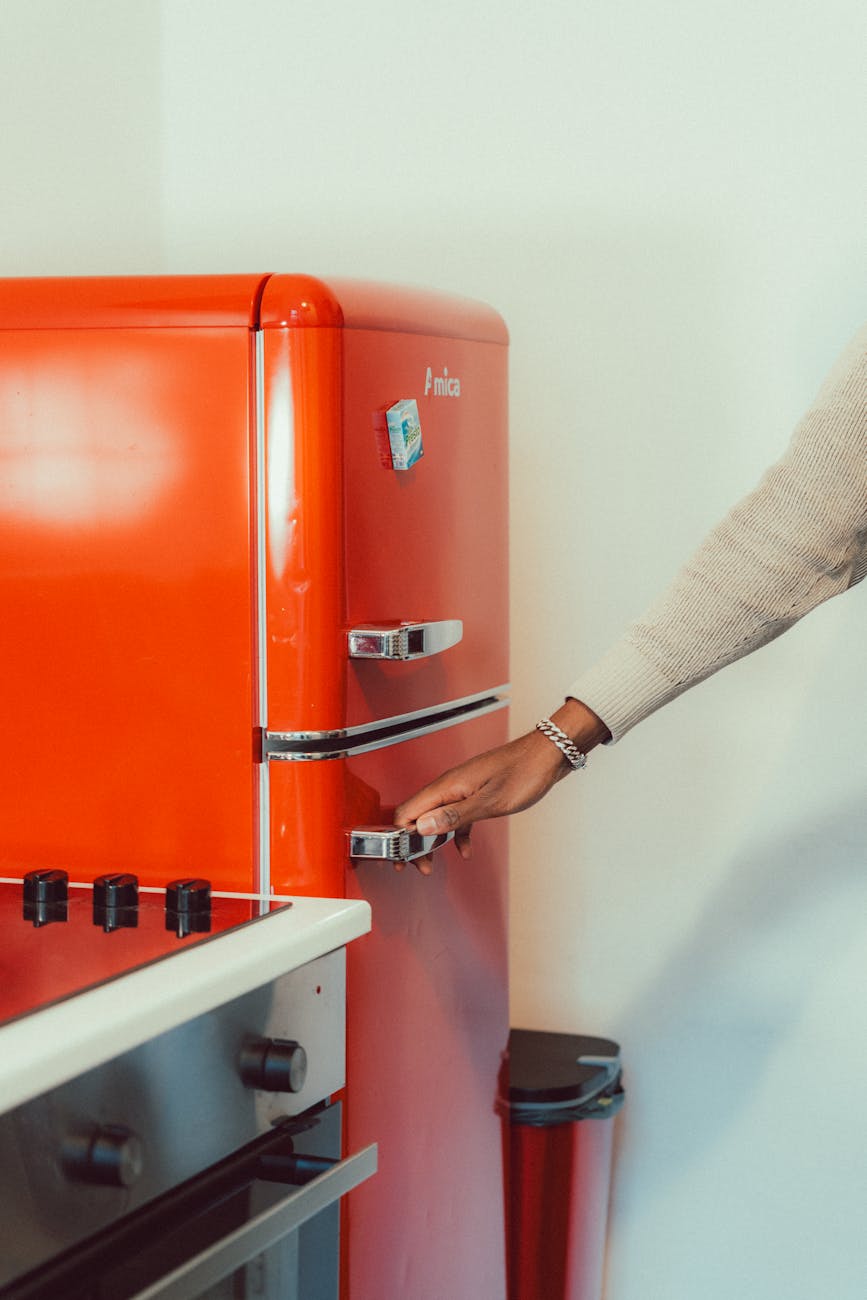
Modern kitchens often focus on minimalism, muted colors, and sleek finishes. While clean designs can look elegant, many kitchens today lack the personality and warmth that defined earlier decades. Baby Boomer-era kitchens embraced bold colors, quirky details, creative layouts, and decorative touches that made homes feel lively and welcoming.
Many of these vintage kitchen trends disappeared as stainless steel and neutral palettes took over. However, some homeowners and designers are beginning to rediscover the charm of these retro features. A few updates could make them surprisingly stylish again.
Colorful Metal Cabinets
Brightly colored metal cabinets were once a defining feature of mid-century kitchens.
Soft turquoise, pale yellow, mint green, and powder blue cabinets gave kitchens a cheerful personality that modern gray cabinetry often lacks.
These metal cabinets were also extremely durable and easy to clean.
Many survived for decades with surprisingly little damage.
The glossy finishes reflected light beautifully and made smaller kitchens feel brighter.
Today’s kitchens could benefit from bringing back more playful color choices instead of relying almost entirely on white and charcoal tones.
Built-In Breakfast Nooks
Built-in breakfast nooks created cozy gathering spaces that encouraged families to sit together.
These corner booths often featured vinyl cushions, rounded tables, and large sunny windows.
Unlike modern oversized kitchen islands, breakfast nooks felt intimate and comfortable.
They also maximized seating in smaller homes.
Many people still associate them with relaxed weekend breakfasts and late-night coffee conversations.
Modern homes could easily adapt the concept using updated fabrics and cleaner lines.
Checkerboard Flooring
Checkerboard kitchen floors were once incredibly popular in Baby Boomer households.
Black-and-white tile combinations became iconic, but many kitchens also experimented with softer pastel checkerboard patterns.
The bold flooring instantly gave kitchens personality and visual energy.
Unlike many modern floors, checkerboard patterns embraced fun rather than subtlety.
The style also paired well with retro appliances and chrome accents.
With today’s renewed interest in vintage aesthetics, checkerboard floors feel ready for a comeback.
Wood Paneled Breakfast Bars
Wood-paneled breakfast bars became common during the 1960s and 1970s.
These compact eating spaces often separated kitchens from living rooms while maintaining an open feel.
The warm wood tones created a casual atmosphere that encouraged conversation during cooking.
Many featured hanging pendant lights and bar stools with chrome or vinyl finishes.
While some versions eventually looked dated, updated interpretations could feel stylish and nostalgic today.
Natural wood textures are already returning to modern interior design.
Several vintage kitchen features remain appealing because they:
- Added warmth and personality
- Encouraged family interaction
- Used bold colors and patterns
- Prioritized comfort over minimalism
Modern kitchens sometimes feel overly sterile by comparison.
Decorative Laminate Countertops
Decorative laminate countertops once came in bold patterns, glitter finishes, and vibrant colors.
Boomer-era kitchens often featured boomerang prints, speckled textures, or dramatic edging details.
While laminate later developed a reputation for looking cheap, many vintage designs had undeniable character.
Today’s stone-heavy kitchens can sometimes feel visually repetitive.
Updated retro laminates could offer a more affordable and playful alternative.
Some modern designers have already started experimenting with vintage-inspired surfaces again.
Pastel Colored Appliances
Pastel-colored refrigerators, ovens, and mixers once gave kitchens a softer and more welcoming appearance.
Pink, turquoise, avocado green, and butter yellow appliances became especially popular during the mid-20th century.
Modern appliances tend to focus almost entirely on stainless steel, black, or white finishes.
The older pastel colors made kitchens feel unique and expressive.
Brands occasionally release retro-inspired appliances today, but the trend has never fully returned.
Many homeowners would likely welcome more personality in appliance design again.
Why Retro Kitchen Design Still Appeals Today
Many Baby Boomer kitchen trends continue attracting interest because they:
- Feel nostalgic and comforting
- Add visual personality
- Emphasize social gathering spaces
- Break away from minimalist uniformity
Vintage-inspired design often feels more emotionally warm.
Conclusion
Colorful metal cabinets, breakfast nooks, checkerboard flooring, wood-paneled breakfast bars, decorative laminate countertops, and pastel appliances all captured the quirky charm of Baby Boomer-era kitchens. While some of these trends may seem old-fashioned at first glance, modern reinterpretations could bring much-needed warmth, creativity, and individuality back into today’s homes.


Leave a Reply