
The soda aisle in the mid-20th century looked very different from today. Before modern consolidation and brand streamlining, dozens of regional and national soft drinks competed for attention with bold flavors, colorful advertising, and memorable mascots.
Many of those sodas were household staples for Baby Boomers growing up in the 1950s through the 1970s. However, changing consumer tastes, corporate mergers, and the rise of dominant global brands led to the disappearance of many once-popular beverages.
Some were quietly discontinued, while others were absorbed into larger companies and phased out entirely. Today, they live on mostly in nostalgia and collector memories.
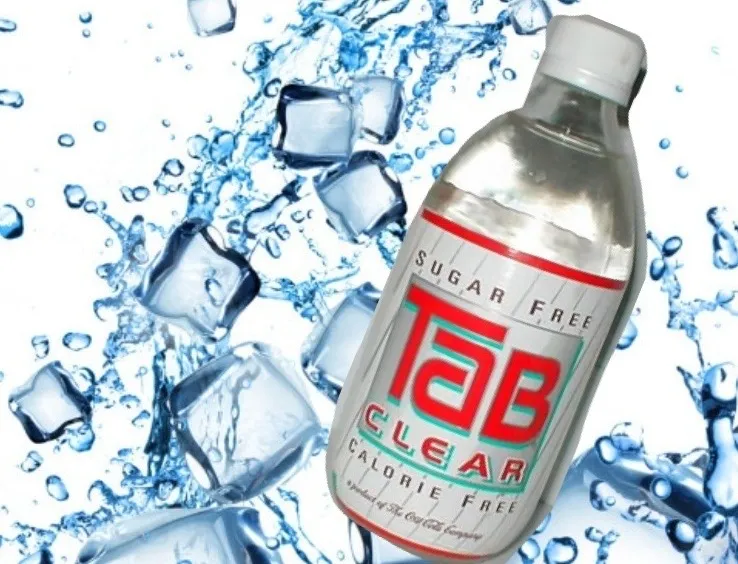
Tab Clear
Tab Clear was a short-lived variation of the original Tab soda line introduced in the early 1990s.
While regular Tab itself was already a diet soda icon of the 1960s and 1970s, Tab Clear was a transparent, caffeine-free experiment designed to compete with emerging clear cola-style beverages.
The drink’s unusual appearance and taste profile never gained widespread popularity, and it was discontinued quickly.
For many older consumers, it represented one of Coca-Cola’s most unusual product experiments during a rapidly changing soft drink market.
Its disappearance marked the end of an era of bold soda innovation.
Slice Soda
Slice was introduced by PepsiCo in the 1980s as a fruit-flavored soda line that included orange, lemon-lime, and apple varieties.
It became popular for being marketed as having real fruit juice, which was a major selling point at the time.
Despite strong early success, Slice was gradually phased out as competition from brands like Sprite and Fanta intensified.
By the early 2000s, most Slice varieties had disappeared from mainstream shelves.
Its decline reflected shifting consumer preference toward clearer branding and simpler soda portfolios.
Jolt Cola
Jolt Cola was known for its extremely high caffeine content and bold marketing aimed at students, gamers, and night-shift workers.
Launched in the 1980s, it gained a cult following for its slogan emphasizing “all the sugar and twice the caffeine.”
However, changing health concerns and competition from energy drinks like Red Bull led to its decline.
Production became inconsistent, and the brand eventually disappeared from major markets.
It remains a nostalgic symbol of the extreme soda culture of its era.
Several factors contributed to the disappearance of these classic sodas:
- Corporate mergers and acquisitions
- Changing health and diet trends
- Increased competition from global brands
- Reformulation and rebranding strategies
Many beloved drinks were quietly removed rather than officially celebrated.
Aspen Soda
Aspen Soda was a crisp apple-flavored soda introduced by PepsiCo in the late 1970s.
It stood out for its refreshing, lightly sweet apple taste, which was unusual in a cola-dominated market.
Despite early interest, Aspen struggled to maintain a consistent consumer base and was eventually discontinued.
Its flavor profile was considered ahead of its time, predating today’s popular fruit-forward beverage trends.
Collectors still remember it as one of Pepsi’s most unique discontinued experiments.
New York Seltzer
New York Seltzer gained popularity in the 1980s for its clear, caffeine-free sodas flavored with fruit essences.
Unlike many competitors, it contained no artificial coloring, which made it stand out on store shelves.
The brand initially saw strong success but faded due to distribution challenges and intense competition.
Although it has seen limited revivals, it is no longer widely available in its original form.
Many Baby Boomers recall it as a “cleaner” alternative to traditional sodas of the time.
Patio Soda
Patio Diet Cola was one of PepsiCo’s early diet cola brands introduced in the 1960s.
It was later rebranded and largely replaced by Diet Pepsi, leading to its disappearance.
Patio represented an early attempt to capture the growing diet soda market among health-conscious consumers.
As marketing strategies evolved, the name was phased out entirely.
Its legacy lives on indirectly through the modern diet soda category.
How Soda Culture Changed
The disappearance of these sodas reflects broader industry shifts, including:
- Consolidation of beverage brands
- Focus on global marketing consistency
- Reduced product experimentation
- Health and sugar concerns
Many regional favorites simply could not compete with global giants.
Conclusion
Tab Clear, Slice, Jolt Cola, Aspen Soda, New York Seltzer, and Patio Soda all represent a lost era of American soft drinks that Baby Boomers once enjoyed. While each disappeared for different reasons, they collectively highlight how rapidly the beverage industry evolved over the decades. Today, these sodas remain part of nostalgic memory, remembered for their bold flavors and the unique time in which they were created.



Leave a Reply