
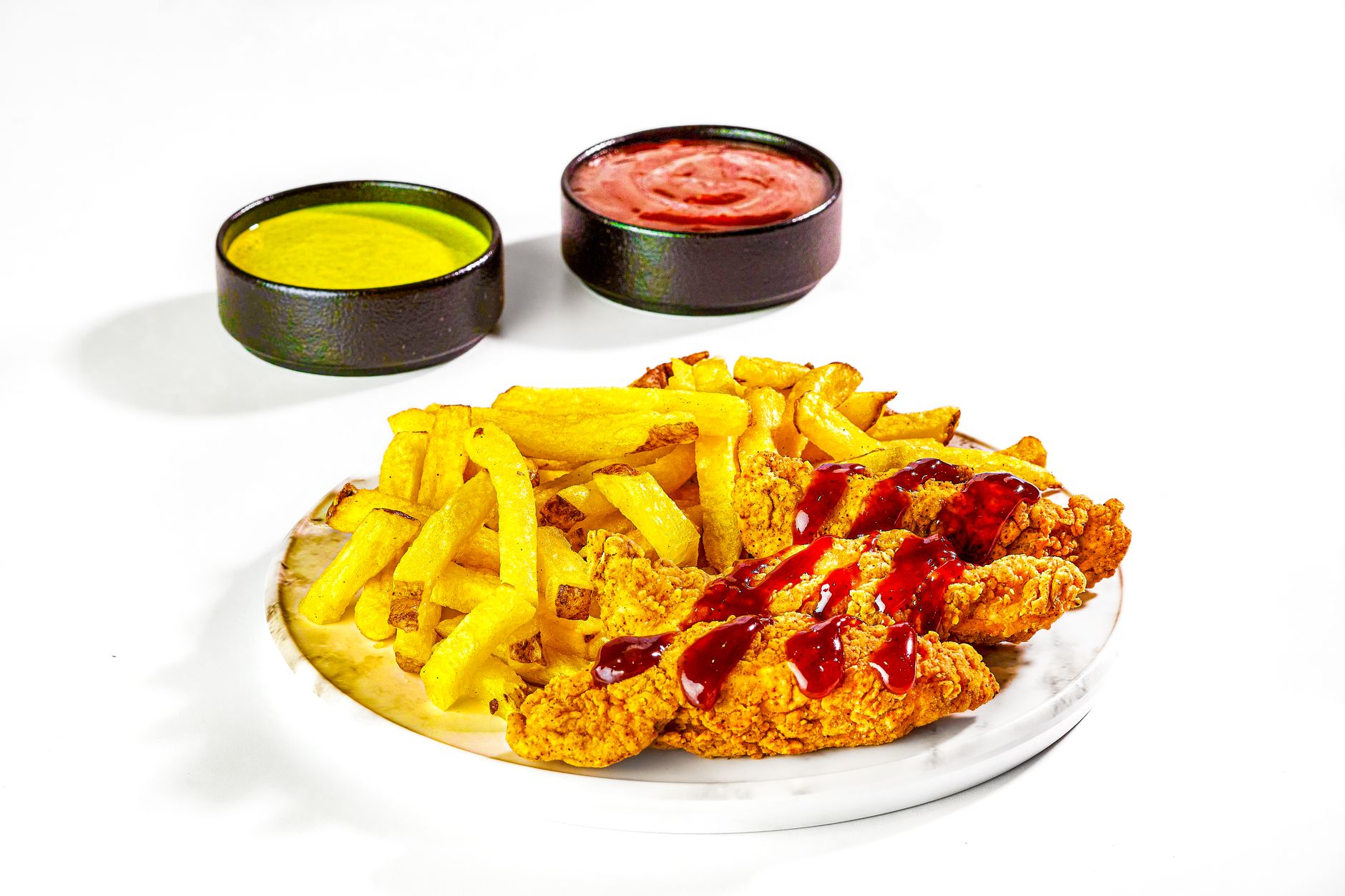
Fast food sauces are often treated as harmless extras, but nutrition experts have increasingly raised concerns about the ingredients packed into many popular condiments. Sugars, preservatives, refined oils, and artificial additives can turn a simple dipping sauce into one of the most heavily processed parts of a meal.
While no sauce directly “causes” colon cancer on its own, diets high in ultra-processed foods have been associated with increased long-term health concerns in multiple nutrition studies. Frequent consumption of heavily processed sauces alongside fried foods and processed meats may contribute to broader dietary risks.
McDonald’s Big Mac Sauce
McDonald’s Big Mac Sauce is one of the most recognizable condiments in fast food.
The sauce contains refined soybean oil, preservatives, sweeteners, and stabilizers designed to maximize flavor consistency and shelf life.
Nutrition experts often point to ultra-processed oils and high sodium levels as concerns when consumed frequently.
Because the sauce is commonly paired with processed meats and refined buns, it contributes to an overall meal profile associated with lower dietary quality.
Its creamy texture and addictive flavor make portion control difficult for many consumers.
Chick-fil-A Sauce
Chick-fil-A Chick-fil-A Sauce combines honey mustard, barbecue flavors, and mayonnaise into a sweet, smoky condiment.
While extremely popular, the sauce is high in calories, sugar, sodium, and processed oils.
Many creamy fast food sauces rely heavily on stabilizers and preservatives to maintain texture during storage.
Frequent intake of highly processed condiments alongside fried foods has become a growing concern among nutrition researchers studying Western dietary patterns.
The sweetness of the sauce can also encourage overconsumption.
Burger King Zesty Sauce
Burger King Zesty Sauce is known for its creamy horseradish flavor and popularity with onion rings.
However, it contains refined oils, preservatives, and a relatively high sodium content for a dipping sauce.
Processed condiments often contain emulsifiers and artificial flavor enhancers that help create stronger flavor intensity.
Some emerging research has explored whether excessive intake of ultra-processed foods may negatively affect gut health over time.
Although occasional use is unlikely to pose significant risk for most people, moderation remains important.
Several ingredients commonly criticized in processed sauces include:
- Refined seed oils
- Artificial preservatives
- High sodium levels
- Added sugars and stabilizers
These additives are common throughout the fast food industry.
Wendy’s Creamy Sriracha Sauce
Wendy’s Creamy Sriracha Sauce delivers spicy flavor but also contains processed oils and stabilizing ingredients.
Spicy sauces themselves are not inherently unhealthy, but creamy fast food versions often contain substantial fat and sodium levels.
Highly processed condiments can contribute significantly to daily sodium intake when paired with fries, burgers, and fried chicken.
Some nutrition experts also warn that heavily processed food combinations may contribute to inflammation-related dietary concerns over time.
The bold flavor profile can make it easy to consume larger amounts without noticing portion size.
Jack In The Box Buttermilk House Sauce
Jack in the Box Buttermilk House Sauce is commonly served with fried chicken items and sandwiches.
The sauce contains processed vegetable oils, preservatives, and added sugars designed to enhance richness and shelf stability.
Cream-based sauces often carry high calorie density despite relatively small serving sizes.
Because these sauces are frequently paired with heavily fried foods, they can become part of extremely calorie-dense meals.
Consumers trying to reduce ultra-processed food intake often identify creamy dipping sauces as an easy place to cut back.
Why Processed Sauces Raise Concerns
Researchers studying nutrition frequently focus on overall dietary patterns rather than individual foods alone.
Concerns surrounding fast food sauces usually involve:
- Excessive processed ingredient intake
- High sodium consumption
- Heavy reliance on refined oils
- Frequent pairing with fried foods
These combinations may contribute to broader long-term health risks.
Healthier Sauce Alternatives
Consumers looking for lighter options often choose:
- Mustard-based sauces
- Salsa or pico de gallo
- Yogurt-based dips
- Olive oil vinaigrettes
These alternatives usually contain fewer heavily processed ingredients.
Conclusion
Big Mac Sauce, Chick-fil-A Sauce, Burger King Zesty Sauce, Wendy’s Creamy Sriracha Sauce, and Jack In The Box Buttermilk House Sauce all highlight concerns surrounding ultra-processed fast food condiments. While enjoying these sauces occasionally is unlikely to create major health problems for most people, regular consumption alongside fried and processed foods may contribute to broader dietary risks linked to long-term colon health concerns.



Leave a Reply