
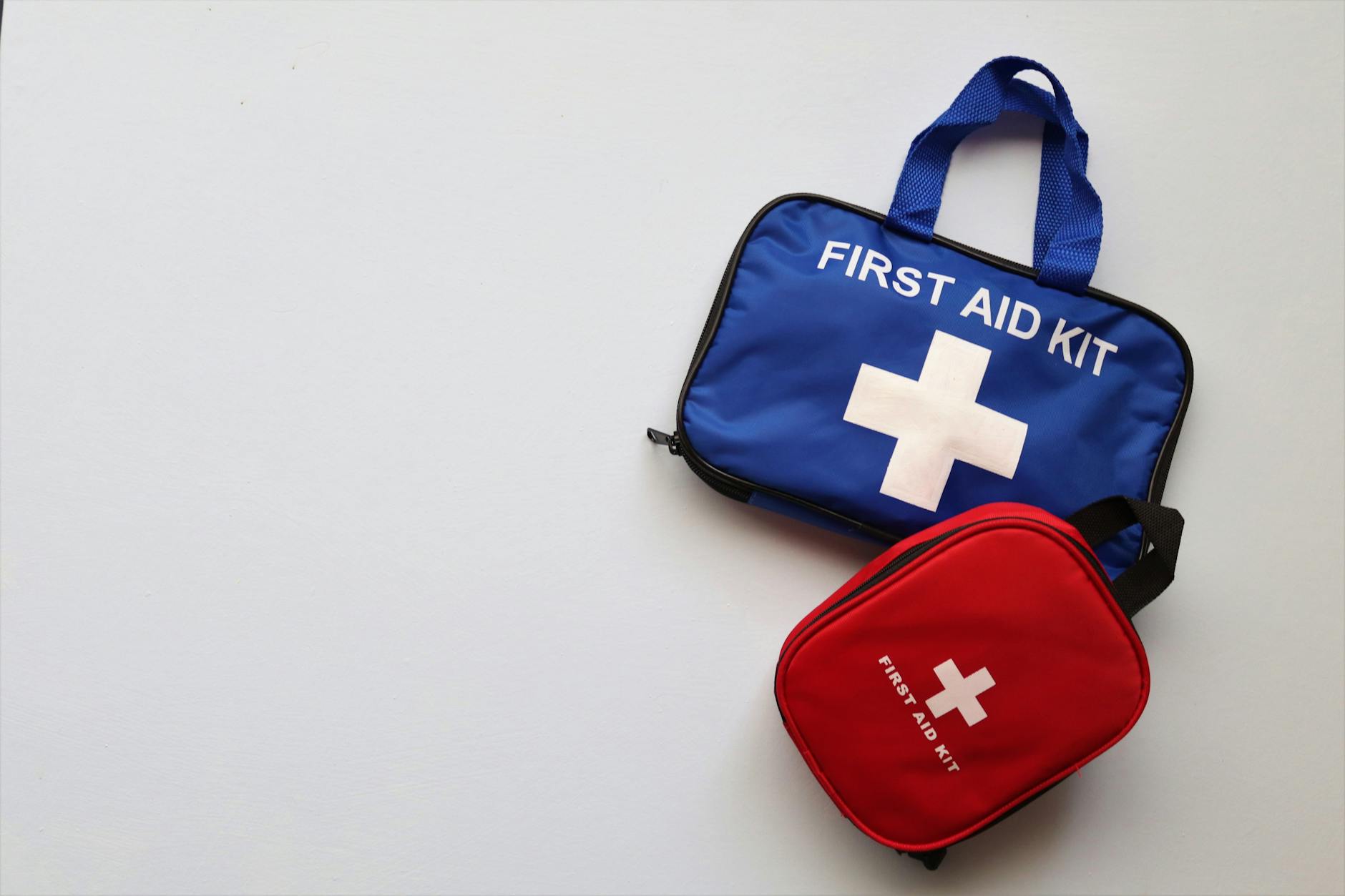
Having a well-stocked home medical kit can make a major difference in handling minor injuries, sudden illnesses, and emergencies before professional care is available. While most households keep a few basic supplies, many people overlook essential items that can improve safety and response time.
A good home setup is not about replacing medical care—it’s about being prepared for common situations like cuts, fevers, sprains, burns, and allergic reactions.
Adhesive Bandages and Sterile Gauze
Adhesive bandages are essential for treating small cuts, scrapes, and blisters. They help protect wounds from dirt and bacteria while supporting faster healing.
Sterile gauze pads are equally important for larger wounds that require more coverage or absorption. These materials are often used together with medical tape for secure placement.
Keeping multiple sizes ensures you are prepared for both minor and more significant injuries.
Antiseptic Solution or Wipes
Antiseptic products are critical for cleaning wounds before dressing them. Common examples include alcohol wipes, iodine solutions, or hydrogen peroxide in controlled use.
Proper cleaning helps reduce infection risk by removing bacteria and debris from the affected area.
Many households underestimate the importance of antiseptics, but they are one of the most important first steps in wound care.
Digital Thermometer
A digital thermometer allows for quick and accurate temperature readings, which is essential for monitoring fever-related illnesses.
Fever can be an early indicator of infection, flu, or other medical conditions that may require attention.
Modern digital thermometers provide fast results and are safer than older mercury-based models.
They are especially useful for households with children or elderly family members.
Pain Relievers (Acetaminophen or Ibuprofen)
Over-the-counter pain relievers are commonly used to manage headaches, muscle pain, fever, and minor inflammation.
Acetaminophen is often used for fever reduction and general pain relief, while ibuprofen also helps reduce inflammation.
It is important to follow dosage instructions carefully and consider individual health conditions before use.
These medications are staples in most home emergency kits.
Elastic Bandages
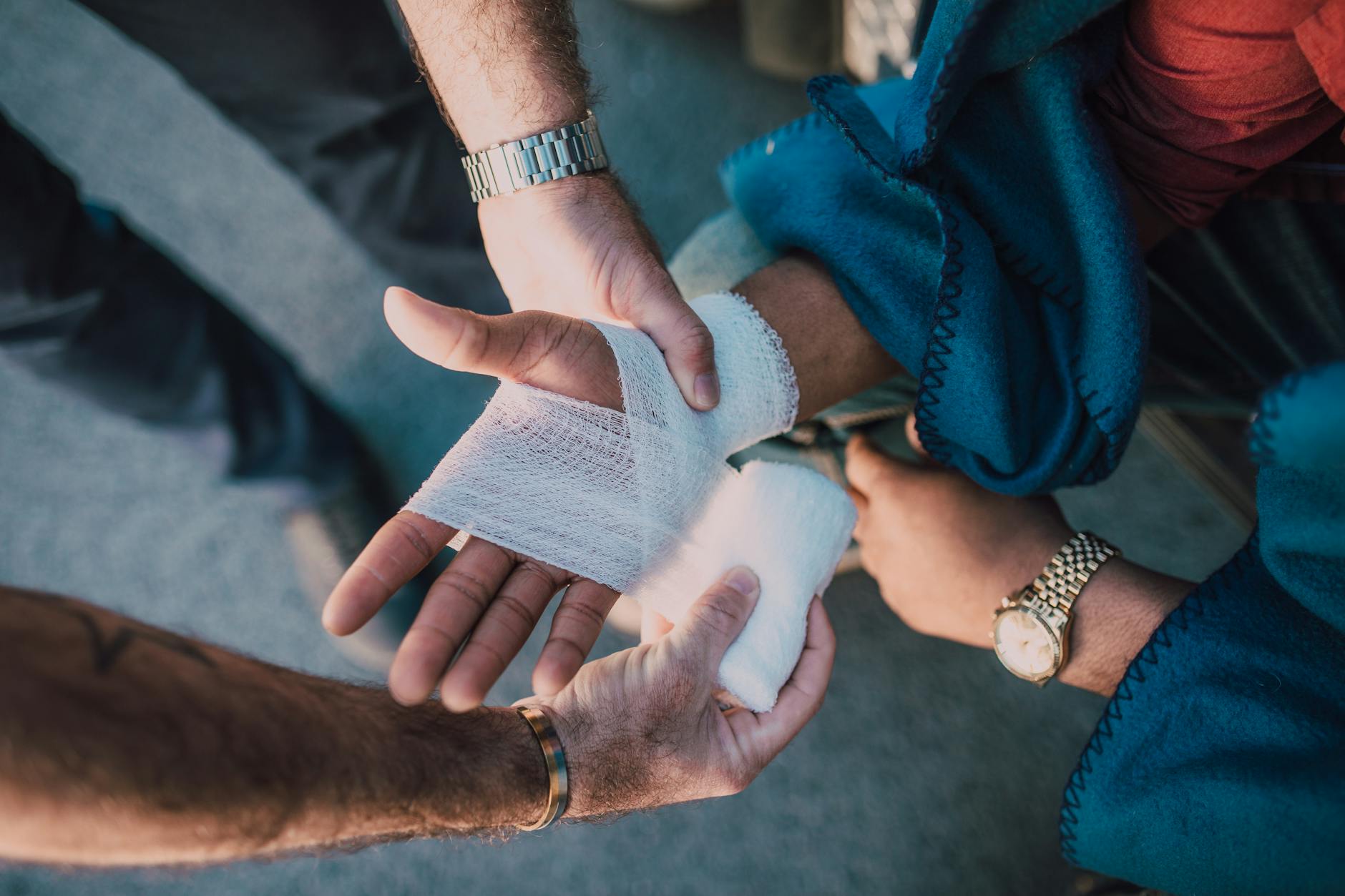
Elastic bandages are used to support sprains, strains, and joint injuries. They help reduce swelling and provide compression to injured areas.
They are commonly applied to ankles, wrists, and knees after minor injuries or physical activity.
Proper wrapping technique is important to avoid restricting blood flow while still providing support.
Elastic bandages are especially useful for active households or sports-related injuries.
Antihistamines
Antihistamines are used to treat allergic reactions such as itching, sneezing, rashes, and mild swelling.
They are particularly important for individuals with known allergies to pollen, food, insect bites, or environmental triggers.
In some cases, antihistamines can help reduce early allergic reactions before they become more severe.
Keeping a fast-acting option at home can provide quick relief when symptoms appear unexpectedly.
Medical Gloves and Face Masks
Disposable gloves and face masks help reduce the spread of infection during wound care or illness management.
Gloves protect both the caregiver and the patient by reducing direct contact with bodily fluids or contaminated surfaces.
Face masks are useful when caring for someone with respiratory symptoms or when handling potentially infectious situations.
These items have become increasingly recognized as essential parts of home medical preparedness.
Several basic home medical supplies should always be available:
- Wound care materials
- Fever monitoring tools
- Pain relief medications
- Protective equipment
These items help ensure quick response during common medical situations.
Why Home Medical Preparedness Matters
Being prepared at home can reduce panic and improve outcomes during minor emergencies. Many injuries and illnesses can be safely managed at home with the right supplies while waiting for professional care.
A well-stocked kit also helps reduce unnecessary trips to urgent care for minor issues.
Conclusion
A thoughtful home medical kit should include wound care supplies, antiseptics, a thermometer, pain relievers, elastic bandages, antihistamines, and protective gear. These essential items help families respond quickly and effectively to everyday injuries and illnesses. Being prepared is a simple but powerful way to improve safety and peace of mind at home.


Leave a Reply