
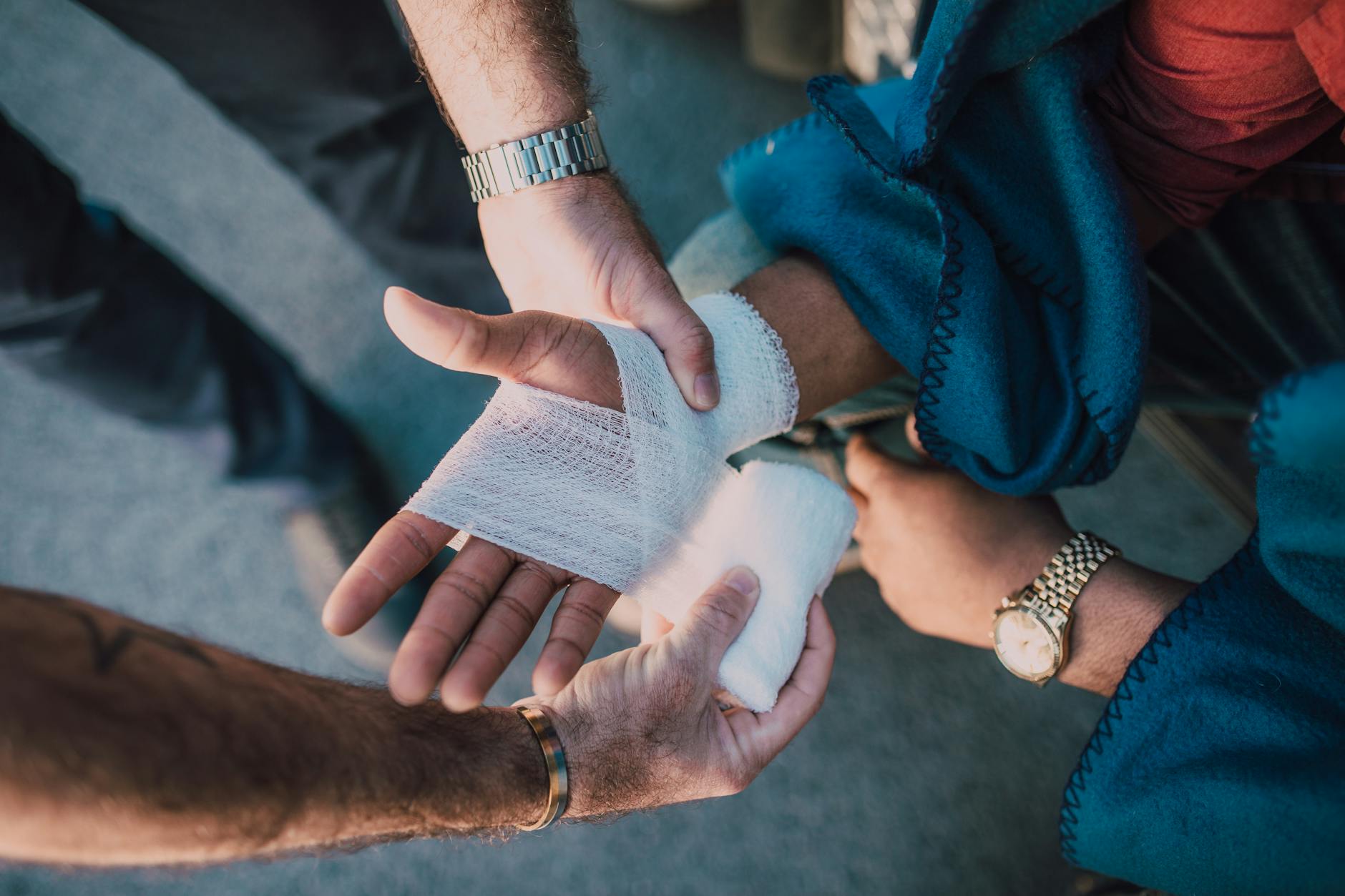
Bandages and adhesive wound coverings are among the most commonly used medical products in households around the world. Most people assume these products are harmless, but over the years, certain bandages and wound dressings have faced recalls or removals because of potentially harmful ingredients and contamination concerns.
Issues have included allergic reactions, toxic chemical exposure, contamination during manufacturing, and unsafe sterilization problems. While many modern bandages are considered safe when used properly, several products have raised concerns that led to recalls, reformulations, or legal scrutiny.
Johnson & Johnson Adhesive Bandage Recalls
Some adhesive bandage products manufactured under the Johnson & Johnson umbrella faced recalls due to sterilization concerns and possible contamination risks.
In certain cases, manufacturing problems raised concerns about bacterial contamination or compromised packaging integrity.
While not every product posed direct toxicity concerns, the issue highlighted how even simple wound care items can become problematic if manufacturing controls fail.
Consumers became increasingly aware of how sensitive open wounds are to contaminated medical products.
Bandages Containing PFAS Chemicals
Several independent investigations have raised concerns about bandages and wound dressings containing PFAS compounds, often called “forever chemicals.”
PFAS chemicals are used in many consumer products because of their water-resistant properties, but some studies have linked long-term exposure to potential health concerns.
Certain flexible or waterproof bandages were criticized after testing suggested trace levels of these compounds in adhesives or coatings.
Although not always formally recalled, many manufacturers faced pressure to reformulate products to reduce chemical exposure concerns.
Curad Surgical Dressing Recalls
Some Curad surgical dressing products were recalled over sterility concerns tied to manufacturing issues.
Sterility problems in wound care products can create serious risks because contaminated dressings may expose wounds to bacteria or other harmful substances.
These recalls emphasized the importance of strict quality control in medical manufacturing environments.
Consumers often overlook how even small defects in packaging or sterilization can compromise product safety.
Several common issues have triggered bandage recalls over the years:
- Sterility failures
- Chemical contamination
- Adhesive reactions
- Manufacturing defects
These concerns have increased demand for safer materials and stronger testing standards.
Waterproof Bandages With Latex Concerns
Certain waterproof bandages faced criticism because of latex-containing adhesives that triggered allergic reactions in sensitive individuals.
Latex allergies can range from mild irritation to more severe immune responses in some users.
In earlier decades, latex was more commonly used in medical adhesives and flexible wound products.
As awareness of latex sensitivity increased, many manufacturers transitioned toward latex-free materials.
However, some products were quietly discontinued or reformulated after consumer complaints and allergy concerns.
Silver-Infused Wound Dressings
Silver-infused bandages and antimicrobial dressings became popular because silver has bacteria-fighting properties.
However, some products faced scrutiny over concerns about excessive silver exposure or improper marketing claims.
While medical silver remains widely used in healthcare settings, certain over-the-counter products were criticized for overpromising benefits or lacking sufficient safety evidence for prolonged use.
Questions also emerged about whether frequent exposure to certain antimicrobial compounds could contribute to resistance concerns over time.
Why Medical Product Safety Matters
Bandages are often applied directly to broken skin, making safety and sterility especially important.
Potential concerns with poorly manufactured wound products include:
- Skin irritation
- Allergic reactions
- Delayed healing
- Increased infection risk
Even small amounts of contamination or problematic ingredients can create larger issues when wounds are involved.
How Bandage Standards Have Improved
Modern medical manufacturing standards are far stricter than they were decades ago.
Today’s improvements include:
- Better sterility testing
- Latex-free adhesives
- Reduced chemical exposure
- Improved packaging integrity
Manufacturers now face greater regulatory oversight and consumer scrutiny than ever before.
Consumers also increasingly look for products labeled as hypoallergenic or free from certain chemicals.
Conclusion
While most bandages are safe when used properly, some products have faced recalls or criticism because of contamination, PFAS chemicals, latex concerns, or manufacturing failures. These cases helped push the medical supply industry toward stronger safety standards and cleaner materials. Understanding product labels and choosing reputable wound care brands can help consumers reduce unnecessary exposure risks while protecting wounds safely.



Leave a Reply