
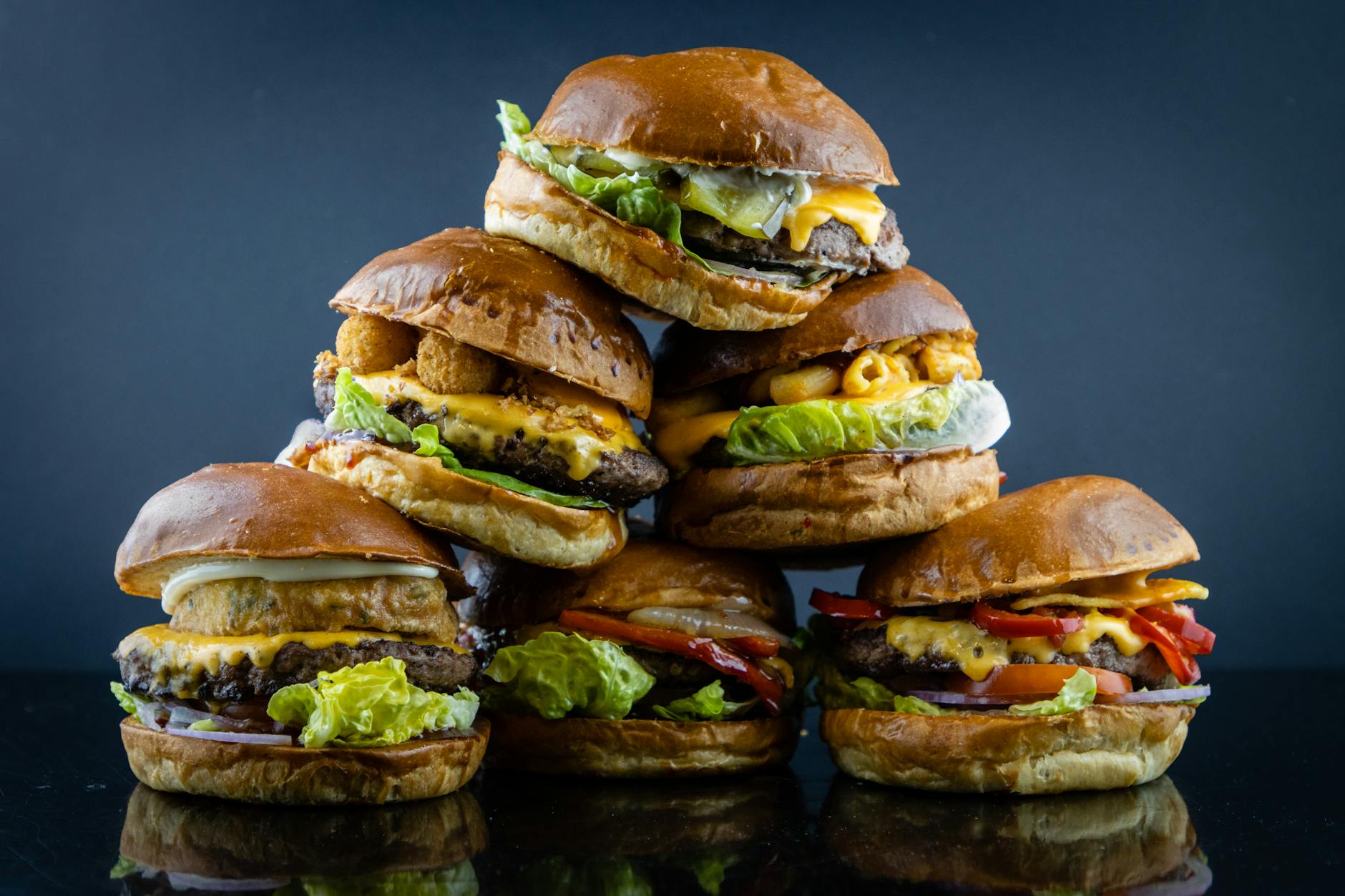
Frozen and pre-made burgers are convenient, affordable, and easy to cook, but not every option in the grocery store freezer or meat section deserves a spot in your cart. Some burger products contain excessive fillers, poor-quality meat blends, high sodium levels, or misleading labeling that hides how processed they really are.
While there are certainly quality burger options available, many pre-packaged varieties sacrifice flavor and nutrition for lower production costs and longer shelf life. Understanding which burgers tend to disappoint can help shoppers make smarter grocery choices.
Frozen Burgers With Soy Fillers
Some low-cost frozen burger patties contain soy protein or textured vegetable fillers mixed into the beef. While small amounts of filler are not always harmful, heavily extended meat blends often produce dry texture and weaker flavor.
These burgers may also shrink dramatically during cooking because of excess water and filler content. Instead of tasting like fresh beef, they can end up rubbery or oddly soft.
Many shoppers assume all frozen burgers contain only beef, but ingredient labels sometimes tell a very different story.
Checking for simple ingredient lists with minimal additives is usually a safer approach.
Pre-Seasoned Burgers Loaded With Sodium
Pre-seasoned burger patties may sound convenient, but many contain extremely high sodium levels before toppings or condiments are even added.
Manufacturers often rely on salt and flavor enhancers to compensate for lower-quality meat blends. As a result, the burgers may taste overly processed rather than freshly seasoned.
These products can also make it difficult to control flavor at home since the seasoning is already heavily built into the meat itself.
Plain burger patties with fresh seasoning added during cooking usually provide better flavor and flexibility.
Frozen Burgers With Artificial Smoke Flavor
Some grocery store burgers are heavily marketed around “smoky” or “flame-grilled” flavor despite never touching a real grill. Artificial smoke flavoring is often added to mimic outdoor cooking.
While not necessarily dangerous, these burgers can taste overly processed and artificial compared to fresh ground beef cooked naturally.
The heavy flavoring sometimes masks the quality of the meat itself, which may not be especially high-grade to begin with.
These characteristics often signal a heavily processed product rather than a quality burger.
Extremely Lean Pre-Made Burgers
Ultra-lean burgers may appear healthier at first glance, but very low-fat patties often become dry, crumbly, and flavorless during cooking.
Fat plays a major role in burger texture and juiciness. Without enough fat content, burgers can quickly become tough and unsatisfying, especially if slightly overcooked.
Some ultra-lean pre-made patties also compensate with added binders or moisture-retaining ingredients that affect texture negatively.
Moderate fat levels often create a much better balance between flavor and texture.
Cheap Mixed-Meat Burger Patties
Some budget burger products combine multiple meats together, including beef mixed with mechanically processed chicken or pork trimmings.
These mixed-meat patties may be significantly cheaper, but they often suffer from inconsistent texture and questionable flavor balance. Consumers may also mistakenly assume they are purchasing pure beef products.
The lower price frequently reflects lower-quality sourcing and heavier processing methods rather than true value.
Reading labels carefully is important because packaging designs can sometimes emphasize “beef burgers” even when multiple meats are included.
Fully Cooked Microwave Burgers
Fully cooked microwave burgers are designed entirely around convenience, but many develop poor texture after reheating. The patties often become rubbery while the buns turn soggy or chewy.
These burgers also tend to contain large amounts of preservatives and stabilizers to maintain shelf life and texture during freezing and reheating.
Although fast and easy, they rarely resemble freshly cooked burgers in flavor or quality. Many consumers find them disappointing after the first few bites.
Why Ingredient Quality Matters
A great burger does not require complicated ingredients. In fact, many high-quality burgers contain nothing more than beef and basic seasoning.
Problems usually arise when manufacturers attempt to lower costs or extend shelf life through fillers, additives, and heavy processing techniques.
Better grocery store burger options often include:
- Short ingredient lists
- Freshly ground beef
- Moderate fat content
- Minimal preservatives
These products generally deliver better flavor and cooking performance.
Smarter Burger Buying Tips
Choosing better burgers often comes down to reading labels carefully and avoiding products overloaded with additives or marketing buzzwords.
Helpful shopping habits include:
- Looking for minimal ingredients
- Avoiding heavily pre-seasoned patties
- Choosing fresh over fully cooked when possible
- Checking sodium levels carefully
Simple burgers with quality meat usually outperform heavily processed alternatives every time.
Conclusion
Not all grocery store burgers are created equal. Many frozen and pre-made options rely on fillers, sodium, artificial flavoring, and excessive processing that hurt both flavor and texture. Paying closer attention to ingredient quality can help shoppers avoid disappointing burgers and enjoy a far better meal.



Leave a Reply